Introduction to Gum Contouring
Many people feel self-conscious about a gummy smile, which occurs when excessive gum tissue shows while smiling. Gum contouring, also known as gum reshaping or gingivectomy, addresses this concern by creating a balanced and aesthetically pleasing gum line. Modern cosmetic dentistry offers safe and effective options for individuals seeking to enhance their smile, boost confidence, and improve oral harmony. Understanding what to expect from gum contouring helps patients make informed decisions and feel comfortable throughout the process.
Understanding a Gummy Smile
A gummy smile can result from multiple factors, including genetics, excessive gum tissue, a short upper lip, hyperactive lip muscles, or uneven tooth eruption. Dentists evaluate each case individually to determine the underlying cause. In some instances, gum contouring alone resolves the issue, while in others, combined treatments such as Invisalign or veneers may provide optimal results. Accurate diagnosis ensures that patients achieve both functional and aesthetic improvements.
The Gum Contouring Procedure
Initial Consultation
The journey begins with a thorough consultation with a qualified cosmetic dentist. During this visit, the dentist examines the gum line, teeth, and overall oral health. Digital imaging or intraoral photographs may help plan the procedure precisely. Patients discuss their aesthetic goals, ask questions, and review potential outcomes, ensuring alignment between expectations and achievable results. Dentists may also explore other cosmetic options, such as professional teeth whitening, to complement the reshaped gum line.
Preparation for Treatment
Before the procedure, dentists ensure the gums are healthy and free of infection. Good oral hygiene is essential to reduce complications and promote healing. In some cases, minor scaling or cleaning precedes gum contouring to prepare the gum tissue. Patients receive clear instructions on pre-procedure care, including avoiding certain foods and medications that might interfere with healing. Consulting about regular dental check-ups beforehand ensures the gums are in the best possible condition.
The Contouring Process
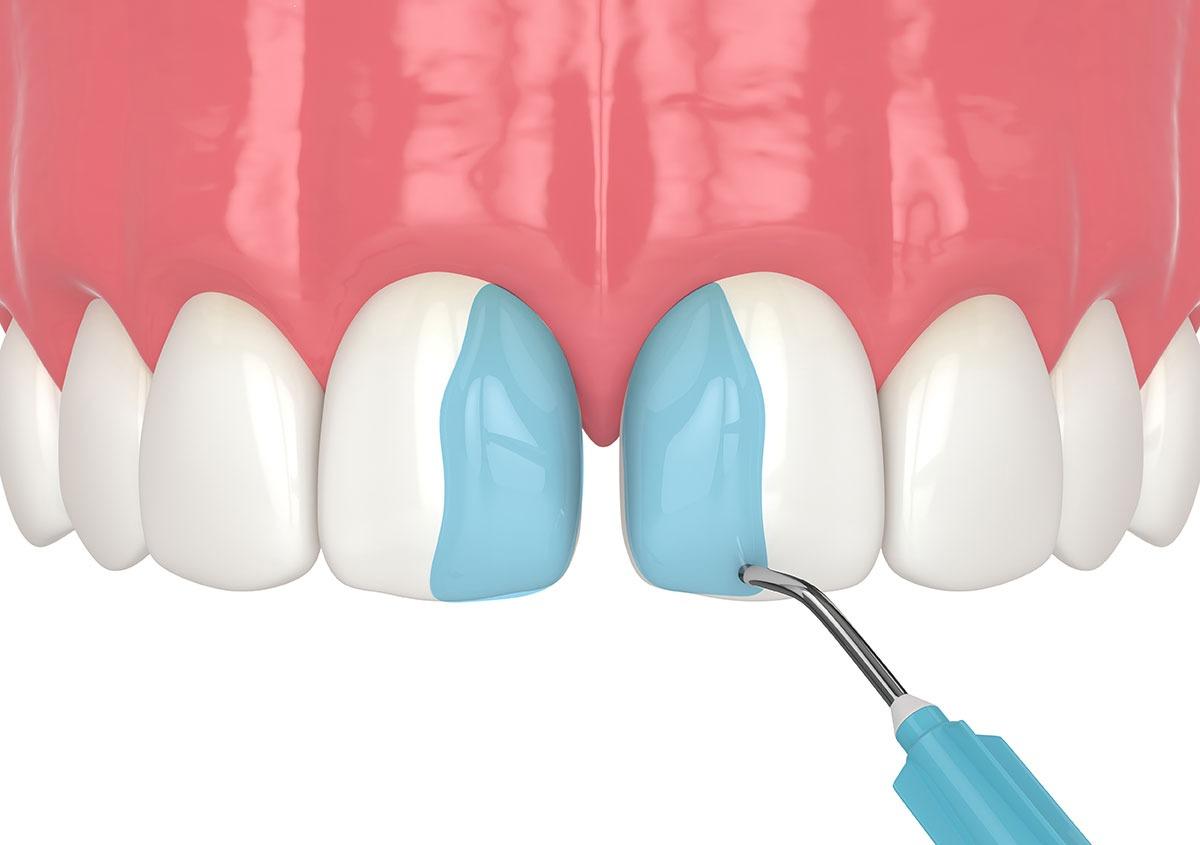
Gum contouring usually involves removing excess gum tissue and reshaping the gum line. Dentists often use a precision laser, which minimizes bleeding, reduces discomfort, and accelerates healing. Some cases may still use traditional surgical methods with scalpels, depending on the patient’s needs. The dentist carefully sculpts the gums to create symmetry, expose more of the tooth surface, and achieve a natural, balanced appearance.
Duration and Comfort
The procedure typically lasts between 30 minutes to one hour, depending on the extent of treatment. Dentists administer local anesthesia to ensure the patient remains comfortable. Modern techniques, especially laser contouring, significantly reduce post-operative pain, swelling, and recovery time compared to traditional methods. Patients who may feel anxious about dental procedures can explore sedation dentistry options for a stress-free experience.
Recovery and Aftercare
Immediate Post-Procedure Care
After gum contouring, patients may experience mild discomfort, tenderness, or swelling, which usually subsides within a few days. Dentists provide detailed aftercare instructions, including avoiding hard or crunchy foods, practicing gentle oral hygiene, and using prescribed mouth rinses to prevent infection. Following these instructions ensures faster healing and reduces the risk of complications.
Healing Timeline
The initial healing phase typically takes one to two weeks. During this time, the gums form a protective layer, and any minor inflammation diminishes. Full recovery, where the gum tissue settles into its new shape and achieves optimal appearance, may take several weeks. Regular follow-up appointments help monitor progress and address any concerns promptly.
Long-Term Maintenance
Maintaining results requires excellent oral hygiene, including brushing twice daily, flossing, and routine dental checkups. Healthy gums not only preserve aesthetic improvements but also support overall oral health. Patients should avoid habits that stress the gums, such as aggressive brushing or chewing hard objects. Proper care ensures the longevity of a beautiful, confident smile. For guidance on sustaining healthy gums, visit this resource on reversing early gum disease.
Benefits of Gum Contouring
Gum contouring offers both cosmetic and functional advantages. A well-proportioned gum line enhances facial aesthetics, improves smile symmetry, and boosts self-confidence. Patients often report feeling more comfortable smiling, speaking, and socializing after treatment. Functionally, reshaping the gums can make oral hygiene easier, reducing plaque buildup and lowering the risk of gum disease. In combination with other dental treatments such as dental implants or veneers, gum contouring produces comprehensive smile transformations.
Potential Risks and Considerations
While gum contouring is generally safe, patients should be aware of potential risks. Mild bleeding, sensitivity, or infection may occur but are usually temporary. Choosing a qualified and experienced dentist minimizes these risks. Some patients may require additional treatments to achieve the desired outcome, especially if the gummy smile results from skeletal or muscular factors. A transparent discussion during the consultation helps manage expectations and ensures patient satisfaction.
Conclusion
Gum contouring offers a transformative solution for those unhappy with a gummy smile. By carefully removing excess gum tissue and reshaping the gum line, patients achieve a more balanced and attractive smile. Understanding the procedure, recovery, benefits, and potential risks ensures informed decisions and optimal outcomes. With proper care and guidance from an experienced cosmetic dentist, gum contouring not only improves aesthetics but also enhances confidence and overall oral health. To explore additional cosmetic dentistry options, check how a smile makeover works.