Orthodontic care is not just for teenagers early intervention can play a pivotal role in a child’s dental development and long-term oral health. Early orthodontics, also called interceptive orthodontics, addresses bite, alignment, and jaw issues before they become more severe or harder to treat. Many parents wonder if starting orthodontic treatment early is necessary or if it is worth the time, effort, and cost. Understanding the benefits, timing, treatment options, and potential challenges can help parents make informed decisions. Early evaluation ensures better outcomes and may reduce the need for extensive corrective work later.
Understanding Early Orthodontics
What Is Early Orthodontics?
Early orthodontics focuses on evaluating and treating children’s teeth and jaw development at a young age, typically between 6 and 10 years old. At this stage, children have a mix of baby and permanent teeth, making it easier to guide proper alignment and jaw growth. Interceptive treatment identifies issues such as crowding, bite misalignment, crossbites, or protruding teeth. Early intervention often reduces the complexity and duration of future treatment. By addressing problems while the jaw is still growing, orthodontists can guide teeth to develop naturally in the correct positions.
The Goals of Early Intervention
The primary goal of early orthodontics is to improve oral function, facial development, and overall dental health. Treatment can prevent serious alignment problems, ensure enough space for permanent teeth, and correct bite issues. Early intervention also enhances chewing, speech, and jaw function. By correcting minor problems early, children may avoid more invasive procedures later, such as jaw surgery or prolonged braces. Ultimately, early orthodontics aims to create a foundation for a healthy, functional, and aesthetically pleasing smile.
Benefits of Early Orthodontics

Prevents Severe Misalignment
One of the most significant advantages of early orthodontics is preventing severe misalignment. Issues such as overcrowding, protruding teeth, or irregular bites can be corrected or minimized when addressed early. Proper guidance of teeth during eruption reduces the likelihood of complex procedures later. Early treatment can ensure teeth grow in proper alignment naturally. Parents often notice that early intervention leads to a straighter, healthier smile with fewer complications. Preventive care at a young age often reduces the need for extensive orthodontic work in adolescence.
Improves Bite and Jaw Function
Early orthodontic treatment improves bite alignment and jaw function, which affects chewing, speech, and overall oral health. Conditions like underbites, overbites, and crossbites can be corrected while the jaw is still growing. Proper bite alignment reduces wear on teeth and prevents jaw discomfort or TMJ problems later in life. Children with better bite function also experience improved nutrition and easier chewing. Early guidance of jaw growth ensures balanced facial development. Functional improvements at a young age support long-term oral and facial health.
Reduces Future Orthodontic Complexity
By addressing orthodontic issues early, the overall complexity and duration of future treatment can be minimized. Children who undergo early intervention often require shorter or simpler braces later. Some problems that might otherwise need surgery or extensive procedures can be prevented with timely care. Early orthodontics allows minor issues to be corrected before they become more severe. Families benefit from reduced treatment time, fewer appointments, and less stress for the child. Overall, early intervention streamlines the path to a healthy, functional smile.
Boosts Self-Esteem and Confidence
Dental problems in childhood can impact self-esteem, especially when misaligned or protruding teeth affect a child’s appearance. Early orthodontics improves smile aesthetics, enhancing confidence and social comfort. Children who feel confident about their teeth are more likely to interact socially and participate in school activities. Positive self-esteem at a young age supports emotional and social development. Addressing concerns early prevents potential teasing or self-conscious behavior. A healthy, straight smile contributes to overall happiness and well-being.
Ideal Timing for Early Orthodontics
Recommended Age for Evaluation
Experts recommend that children have their first orthodontic evaluation by age 7. At this age, the jaw is still growing, and early problems can be identified efficiently. Early evaluation does not always mean immediate treatment, but it allows orthodontists to monitor dental development and intervene if necessary. Detecting issues early ensures more effective, less invasive solutions. Parents can plan for treatment in phases if required. Timely evaluation maximizes long-term benefits for dental alignment and jaw health.
Signs Your Child May Need Early Treatment
Certain signs indicate that early orthodontic intervention may be necessary. Watch for crowded or overlapping teeth, early or late loss of baby teeth, protruding teeth, underbites, or difficulty chewing. Speech issues or frequent jaw discomfort can also signal underlying problems. If these signs are present, parents should schedule a consultation with an orthodontist. Early identification prevents minor issues from escalating into more severe complications. Monitoring these signs helps ensure timely, effective care.
Evaluating Jaw Growth and Dental Development
Orthodontists assess jaw growth, tooth eruption patterns, and bite relationships during early evaluation. X-rays, dental impressions, and 3D scans may be used to determine proper tooth positioning and jaw alignment. This evaluation helps in planning treatments that guide jaw development naturally. Early assessment ensures interventions are minimally invasive yet highly effective. Timely monitoring allows orthodontists to anticipate problems before they become complex. Parents benefit from a clear understanding of their child’s dental needs.
Common Early Orthodontic Treatments
Space Maintainers
Space maintainers are devices that preserve room for permanent teeth if baby teeth are lost prematurely. They prevent adjacent teeth from shifting into empty spaces, ensuring proper eruption. Space maintainers are simple, non-invasive, and highly effective in guiding proper alignment. By maintaining space, orthodontists reduce the risk of overcrowding and misalignment. Early use improves long-term dental outcomes. Parents often find them a practical solution for minor early dental issues.
Palatal Expanders
Palatal expanders are appliances used to widen the upper jaw in children with narrow palates. They help correct crossbites, create room for permanent teeth, and improve overall bite alignment. Early use of palatal expanders reduces the need for more invasive treatments later, such as jaw surgery. They are typically worn for a few months and adjusted gradually. Expanders also support proper nasal breathing and facial development. Timely intervention ensures a better foundation for teeth and jaw growth.
Partial Braces or Functional Appliances
Some children may require partial braces or functional appliances to correct specific bite or alignment problems. These devices guide jaw growth, tooth eruption, and bite relationships. Partial braces are often used in combination with later full braces if needed. Functional appliances support balanced facial development and proper jaw positioning. Early appliance use reduces overall treatment time and complexity. Customized treatment plans address the child’s unique dental needs.
Potential Challenges and Considerations
Treatment Duration and Compliance
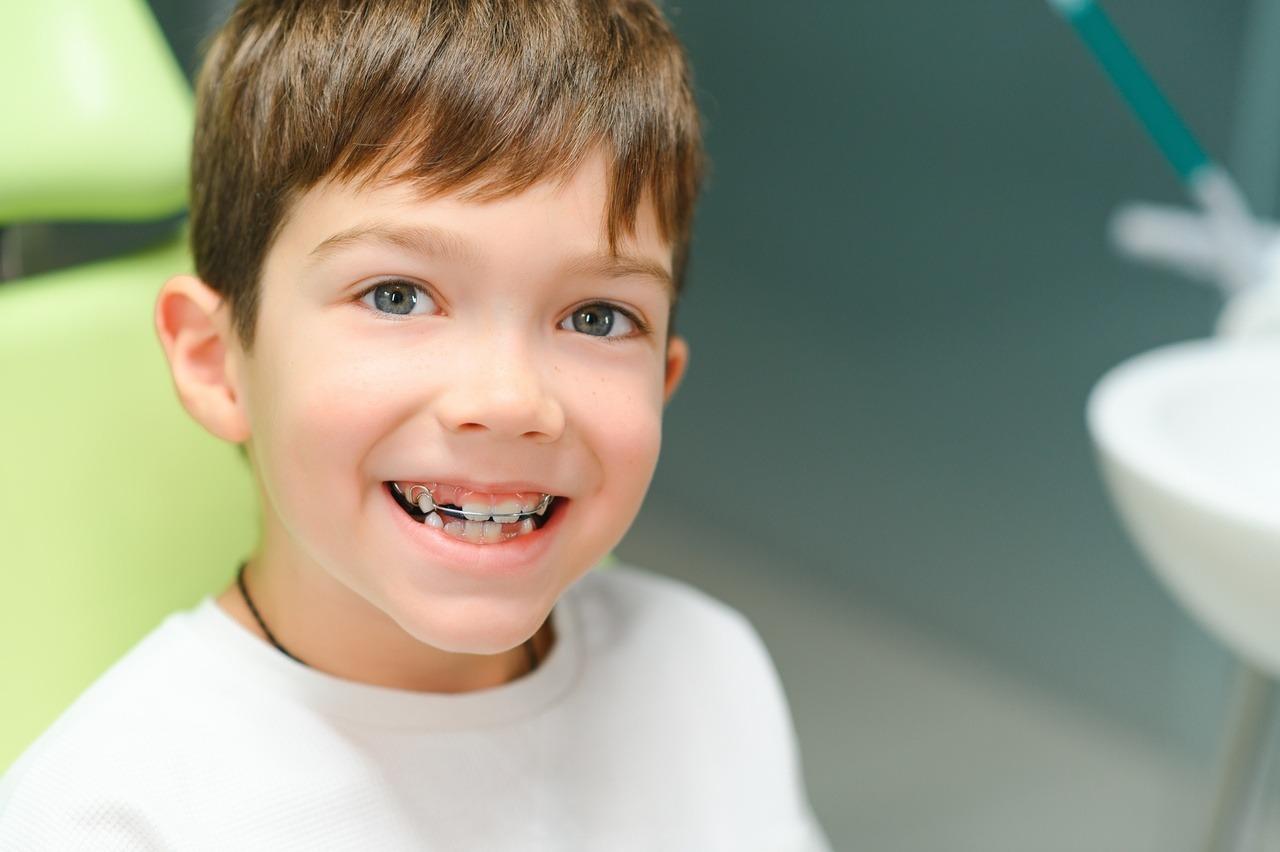
Early orthodontic treatment may involve multiple phases over several years. Success depends on the child’s compliance with appliance wear and orthodontist instructions. Parents must supervise consistent use to achieve desired results. Treatment duration can vary based on the severity of the problem and the child’s growth rate. Compliance challenges may cause minor delays but are manageable with guidance. Early preparation and parental support are key for smooth treatment progression.
Emotional and Social Factors
Wearing appliances at a young age may make some children feel self-conscious. Encouragement, reassurance, and positive reinforcement help them adjust comfortably. Peer support and parental involvement play a crucial role in emotional adaptation. Addressing social concerns early prevents anxiety and builds confidence. Children who feel secure and supported are more likely to comply with treatment. Emotional readiness is an important aspect of early orthodontic success.
Cost Considerations
Early orthodontics can be an additional expense for families. However, early intervention often prevents more complex procedures later, potentially saving money. Discussing costs, insurance coverage, and financing options with your orthodontist can help plan treatment. Parents should weigh long-term benefits versus initial investment. In many cases, early treatment reduces overall time and discomfort. Cost-effective planning ensures access to necessary care without undue financial strain.
Is Early Orthodontics Worth It?
Weighing Benefits vs. Challenges
Early orthodontics offers significant advantages, including improved bite, dental alignment, and self-confidence. While challenges such as compliance, cost, and emotional adjustment exist, the long-term benefits usually outweigh them. Early intervention often reduces the need for more invasive procedures and lengthy treatment later. Parents who prioritize early evaluation provide their children with a healthier foundation for lifelong dental health. Overall, early orthodontics is generally worth the investment for children with identified risks or alignment issues.
Recommendations for Parents
Parents should ensure their children receive an orthodontic evaluation by age 7. Observing warning signs, discussing treatment options, and staying involved throughout the process enhances outcomes. Positive reinforcement, emotional support, and consistent follow-up appointments are essential. Parents should work closely with the orthodontist to develop an individualized plan. Early intervention is most effective when parents are informed and proactive. Active involvement ensures better results and a confident smile for the child.
Conclusion
Early orthodontics can significantly benefit children by improving dental alignment, bite function, facial growth, and self-esteem. Timely evaluation and intervention allow minor problems to be corrected before they escalate into complex issues. Although challenges such as cost and compliance exist, the long-term advantages of early treatment often make it worthwhile. Parents who monitor development, seek early evaluation, and support their child through treatment help ensure optimal outcomes. Early orthodontics sets the foundation for a healthy, confident smile that lasts a lifetime.
FAQs
At what age should my child see an orthodontist?
Children should have their first orthodontic evaluation by age 7 for early detection of potential issues.
What are the benefits of early orthodontics?
Benefits include improved bite, prevention of severe misalignment, reduced treatment complexity, and increased self-confidence.
What types of early orthodontic treatments exist?
Common treatments include space maintainers, palatal expanders, partial braces, and functional appliances.
Are there risks to early orthodontic treatment?
Risks are minimal but may include compliance challenges, emotional adjustment, and additional costs.
Can early orthodontics prevent the need for braces later?
Early treatment may reduce complexity and duration of future braces but does not always eliminate the need for them.