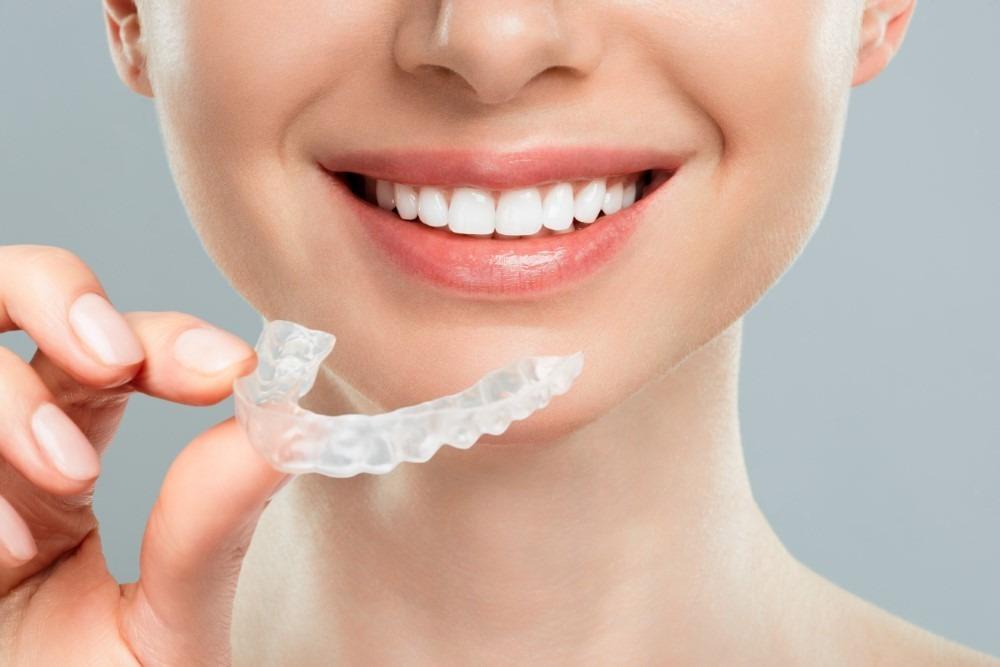
Invisalign has transformed modern orthodontics by offering a discreet, comfortable, and technologically advanced alternative to traditional metal braces. Using a series of clear, removable aligners, Invisalign gradually moves teeth into their desired positions without wires or brackets. For many adults and teens who want straighter teeth without the noticeable appearance of braces, Invisalign has become the treatment of choice. However, despite its popularity, Invisalign is not a universal solution for every orthodontic issue. Understanding what Invisalign can effectively fix and where its limitations lie is essential before committing to treatment.
This comprehensive guide explores Invisalign in depth, explaining the types of dental problems it can correct, situations where it may fall short, and how to determine whether it’s right for you. By the end of this article, you’ll have a clear, realistic understanding of Invisalign’s capabilities and limitations, helping you make an informed decision about your orthodontic care.
Understanding How Invisalign Works
Invisalign treatment begins with a detailed digital scan of your teeth using advanced 3D imaging technology. These scans are used to create a customized treatment plan that maps out the precise movement of your teeth from start to finish. Based on this plan, a series of clear aligners is fabricated, each designed to apply gentle pressure to specific teeth.
Patients typically wear each set of aligners for one to two weeks before progressing to the next set. Aligners must be worn for 20–22 hours per day to be effective, removed only for eating, drinking anything other than water, brushing, and flossing. Over time, the aligners guide teeth into alignment according to the planned movements.
Because Invisalign relies heavily on patient compliance and gradual movement, its effectiveness depends on the complexity of the case and how closely the patient follows instructions.
Common Orthodontic Problems Invisalign Can Fix
Mild to Moderate Crowding
One of the most common issues Invisalign successfully treats is mild to moderate dental crowding. Crowding occurs when there isn’t enough space in the jaw for all the teeth to fit properly, causing them to overlap or twist. Invisalign aligners can gently move crowded teeth into better positions, creating a more uniform and aesthetically pleasing smile.
In many cases, Invisalign treatment can create space by slightly widening the dental arch or by performing interproximal reduction (IPR), which involves removing a small amount of enamel between teeth. For mild to moderate crowding, this approach is often highly effective and predictable.
Mild to Moderate Spacing Issues
Spacing problems, such as gaps between teeth (diastemas), are another area where Invisalign excels. Gaps may occur due to missing teeth, small tooth size, or jaw growth patterns. Invisalign aligners can gradually bring teeth closer together, closing gaps and improving overall smile symmetry.
For patients concerned about visible spaces when they smile or speak, Invisalign offers a discreet way to address spacing issues without the appearance of traditional braces.
Overbite Correction (Mild to Moderate)
An overbite occurs when the upper front teeth overlap the lower front teeth excessively. Mild to moderate overbites can often be corrected with Invisalign by carefully repositioning both upper and lower teeth. Aligners can reduce excessive overlap, improving bite function and reducing wear on the teeth.
Invisalign treatment for overbites often includes the use of attachments small, tooth-colored shapes bonded to the teeth to help aligners apply more precise forces.
Underbite Correction (Mild Cases)
An underbite happens when the lower teeth extend in front of the upper teeth. While severe underbites typically require braces or even surgery, mild underbites may be managed with Invisalign. In such cases, aligners can help reposition the teeth to improve bite alignment and facial balance.
However, success depends on whether the underbite is primarily dental (tooth-related) rather than skeletal (jaw-related).
Crossbite Correction (Selective Cases)
A crossbite occurs when one or more upper teeth bite inside the lower teeth instead of outside. Certain types of crossbites, especially those involving only a few teeth, can be corrected with Invisalign. Aligners can gradually move affected teeth into proper alignment, improving bite function and reducing uneven tooth wear. Complex or skeletal crossbites may require more advanced orthodontic approaches beyond Invisalign alone.
Open Bite (Mild to Moderate)
An open bite is characterized by a lack of contact between upper and lower teeth when the mouth is closed, often affecting the front teeth. Mild to moderate open bites caused by habits such as tongue thrusting or thumb sucking may be corrected with Invisalign. By carefully controlling tooth movement and incorporating attachments, Invisalign can help close the bite and improve chewing efficiency and speech clarity.
Relapse After Previous Orthodontic Treatment
Many adults seek Invisalign after experiencing orthodontic relapse when teeth shift back after braces due to inconsistent retainer use. Invisalign is an excellent option for correcting minor relapses, as it can realign teeth discreetly and comfortably. For patients who previously had braces and now want to restore their smile, Invisalign often provides an efficient solution.
Cosmetic Alignment Improvements
Some patients pursue Invisalign primarily for cosmetic reasons, such as slightly crooked teeth or minor asymmetries that don’t significantly affect bite function. Invisalign is particularly well-suited for these cases, offering subtle yet impactful improvements in smile aesthetics.
Dental Issues Invisalign Has Limitations With
Severe Crowding
When teeth are extremely crowded, Invisalign may not be the best option. Severe crowding often requires significant tooth movement, extractions, or complex force application that traditional braces handle more effectively. While Invisalign technology continues to advance, there are still limits to how much movement aligners alone can achieve in severe cases.
Severe Bite Problems
Complex bite issues, such as severe overbites, underbites, or open bites caused by skeletal discrepancies, typically require braces or surgical intervention. Invisalign may provide limited improvement, but it may not fully correct the underlying problem. In these situations, orthodontists often recommend traditional braces or a combination of treatments for optimal results.
Significant Jaw Misalignment
If the primary issue lies in the jaw structure rather than tooth position, Invisalign alone cannot correct it. Skeletal discrepancies often require orthognathic (jaw) surgery in conjunction with orthodontic treatment. Aligners can align teeth within the existing jaw structure but cannot reposition the jaws themselves.
Teeth Requiring Vertical Movement
Certain orthodontic movements, such as significant vertical tooth repositioning (intrusion or extrusion), are more challenging with Invisalign. Traditional braces offer greater control for these movements, particularly in complex cases. Although Invisalign attachments can help, there are still limitations compared to fixed appliances.
Rotated or Tipped Teeth (Severe Cases)
Severely rotated or tipped teeth may not respond as predictably to aligners. While Invisalign can correct mild to moderate rotations, extreme cases often require braces for more precise force application.
Non-Compliant Patients
Invisalign’s success depends heavily on patient compliance. Patients who struggle to wear aligners consistently or frequently forget to switch aligners on schedule may not achieve desired results. For individuals who prefer a “set it and forget it” approach, traditional braces may be more suitable.
Invisalign Attachments and Their Role
Attachments, sometimes called buttons, are small, tooth-colored shapes bonded to specific teeth during Invisalign treatment. These attachments help aligners grip teeth more effectively, allowing for more complex movements. While attachments make Invisalign slightly more noticeable, they significantly expand the range of issues Invisalign can address. Still, even with attachments, there are limits to what aligners can achieve compared to braces.
Invisalign vs Traditional Braces: A Comparison
Traditional braces remain the gold standard for treating complex orthodontic cases. They provide continuous force and precise control over tooth movement, making them ideal for severe misalignment and bite issues. Invisalign, on the other hand, excels in comfort, aesthetics, and convenience. For mild to moderate cases, it can achieve results comparable to braces with fewer lifestyle disruptions. Choosing between Invisalign and braces depends on the complexity of the case, patient preferences, and orthodontist recommendations.
The Importance of Professional Evaluation
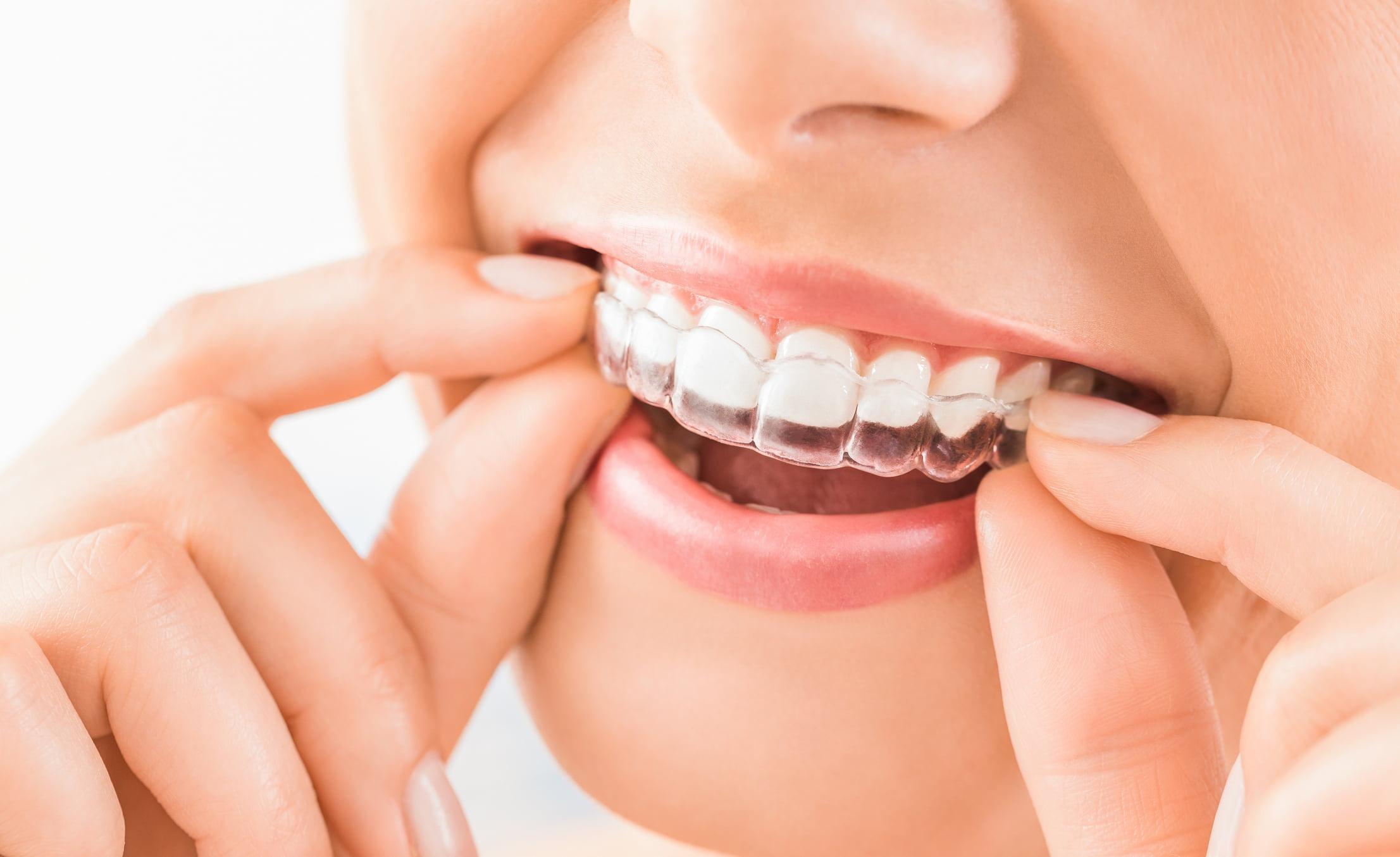
Only a qualified dentist or orthodontist can determine whether Invisalign is appropriate for your specific needs. A professional evaluation includes clinical examination, digital scans, X-rays, and bite analysis. Attempting to self-diagnose or choosing Invisalign without proper assessment may lead to unsatisfactory results or prolonged treatment time.
Invisalign for Teens vs Adults
Invisalign is suitable for both teens and adults, but treatment considerations differ. Invisalign Teen includes features like compliance indicators and eruption tabs for growing teeth, making it suitable for younger patients. Adults often appreciate Invisalign’s discreet appearance and flexibility, especially in professional or social settings.
Treatment Duration and Expectations
Invisalign treatment length varies depending on case complexity, typically ranging from 6 to 24 months. Mild cases may see results in just a few months, while more complex cases require longer treatment. Patients should maintain realistic expectations and understand that refinements additional aligners after the initial series are sometimes necessary.
Cost Considerations
The cost of Invisalign is generally comparable to traditional braces, though it can vary based on treatment complexity, provider expertise, and geographic location. Some dental insurance plans cover Invisalign partially, and many providers offer flexible payment plans.
Life During Invisalign Treatment
One of Invisalign’s biggest advantages is the ability to remove aligners for eating and oral hygiene. Patients can enjoy their favorite foods without restrictions and maintain better oral cleanliness compared to braces. However, wearing aligners consistently and maintaining proper cleaning routines is essential to avoid staining, odors, or treatment delays.
Retainers and Long-Term Results
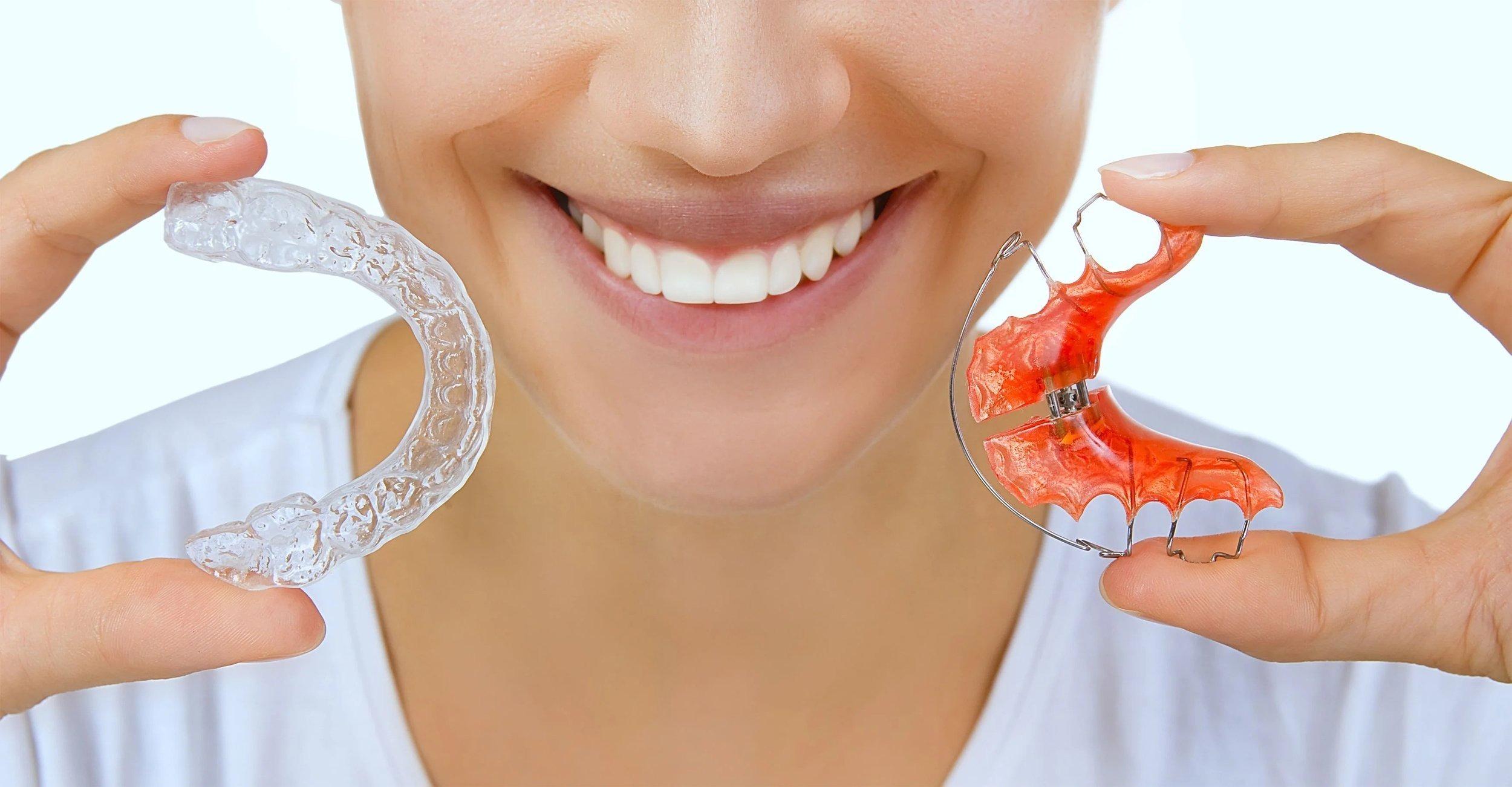
After completing Invisalign treatment, wearing retainers is crucial to maintain results. Teeth naturally shift over time, and retainers help keep them in their new positions. Failure to wear retainers as instructed can result in relapse, undoing months of orthodontic work.
Technological Advancements in Invisalign
Invisalign technology continues to evolve, with improvements in aligner materials, software precision, and treatment planning. These advancements have expanded the range of cases Invisalign can treat compared to its early days. While limitations still exist, ongoing innovation continues to close the gap between aligners and traditional braces.
Psychological and Social Benefits
Many patients report increased confidence during Invisalign treatment due to the aligners’ discreet appearance. This can be particularly beneficial for adults who may feel self-conscious wearing braces. Improved self-esteem and comfort often contribute to higher treatment satisfaction.
Risks and Potential Drawbacks
Like any orthodontic treatment, Invisalign carries potential risks, including discomfort, temporary speech changes, and attachment-related irritation. Most side effects are mild and temporary, especially when patients follow professional guidance.
Making the Right Choice
Deciding whether Invisalign is right for you involves weighing its benefits against its limitations. For many patients with mild to moderate orthodontic issues, Invisalign offers an effective, convenient, and aesthetically pleasing solution. However, for complex cases, traditional braces or combined treatments may deliver better results.
Conclusion
Invisalign is a powerful orthodontic tool capable of fixing a wide range of dental alignment and bite issues, particularly mild to moderate crowding, spacing, and certain bite problems. Its discreet design, comfort, and convenience make it an appealing choice for teens and adults alike. That said, Invisalign is not a one-size-fits-all solution. Severe misalignment, complex bite issues, and jaw discrepancies often require alternative treatments. A professional evaluation is essential to determine the best approach for your smile.