Every patient undergoing dental, orthodontic, or cosmetic treatment hopes for perfect results. However, there are times when the final outcome may not meet your expectations. Whether it’s slight misalignment after orthodontics, uneven tooth shade after whitening, or minor aesthetic differences after cosmetic procedures, dissatisfaction can occur. Understanding why results may differ, knowing how to address concerns, and exploring corrective options can help you achieve satisfaction. This guide provides a step-by-step approach to handling situations when you don’t like the final result, ensuring your concerns are resolved professionally and effectively.
Understanding Patient Expectations
Setting Realistic Goals
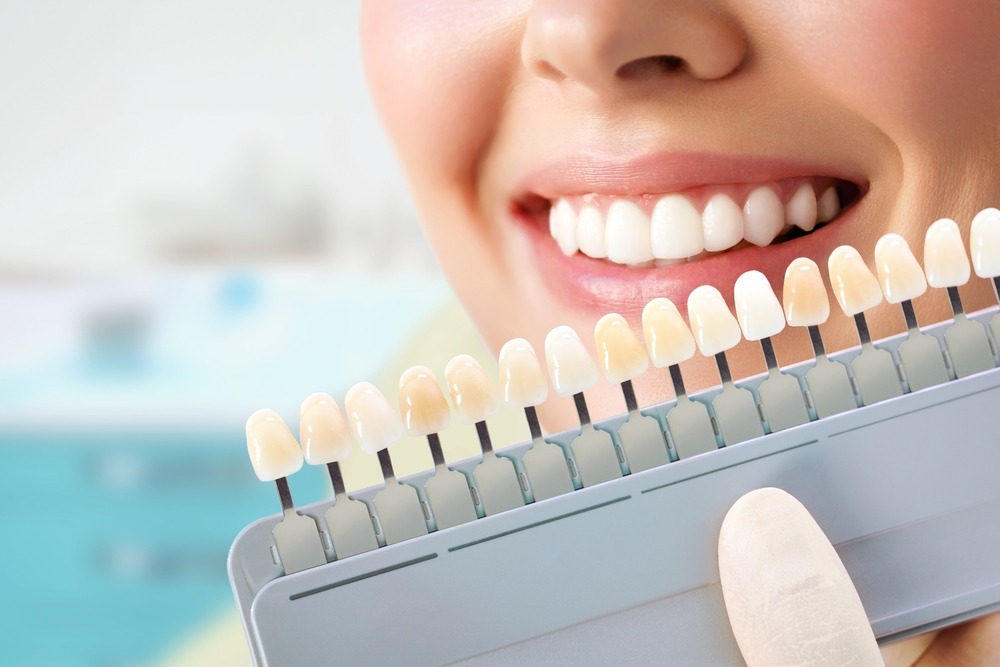
Setting realistic goals is the first step in avoiding dissatisfaction. Every treatment has its limitations based on your oral anatomy, bone structure, and overall dental health. Unrealistic expectations often lead to disappointment, even if the treatment is technically successful. Discussing your desired outcomes in detail with your provider helps align expectations with achievable results. Visual aids such as digital simulations or before-and-after images can make these discussions more effective. Remember, a “perfect” result in your mind may not always match what is clinically possible. Clear communication reduces frustration and sets the stage for a successful treatment experience.
Understanding Treatment Limitations
All dental or cosmetic procedures have inherent limitations. Factors such as enamel thickness, gum shape, bite alignment, and previous dental work can affect the final result. For instance, whitening treatments may not fully match your ideal shade if you have certain dental restorations. Similarly, orthodontic treatments may not perfectly align teeth due to jaw structure or spacing issues. Being aware of these limitations beforehand ensures you understand what can and cannot be achieved. Your provider should explain these constraints during your consultation. Accepting these boundaries can reduce disappointment and help you appreciate the improvements made.
Common Reasons for Dissatisfaction
Minor Aesthetic Differences
One of the most common reasons for dissatisfaction is minor aesthetic differences. Teeth may appear slightly uneven, the shade may not be exactly as imagined, or the final contour might differ from expectations. These small discrepancies are usually correctable through refinements or touch-up treatments. Often, these differences are noticeable only to the patient and not to others. Understanding that minor imperfections are natural helps reduce anxiety. Most aesthetic issues can be improved without restarting treatment, so staying in communication with your provider is key.
Functional Concerns
Dissatisfaction may also arise from functional problems rather than aesthetics. These can include difficulty chewing, speech changes, or bite misalignment. Sometimes, dental treatments affect how teeth meet or move during daily activities. Ignoring these functional issues can lead to discomfort, tooth wear, or jaw problems over time. Early intervention is critical to prevent long-term complications. Your provider can assess whether minor adjustments or refinements will restore proper function. Functional concerns should always be prioritized alongside cosmetic preferences.
Psychological Factors
Patient perception is often influenced by psychological factors. Stress, anxiety, and impatience can make results appear worse than they actually are. Comparing your outcome to unrealistic media images or other patients’ results can exaggerate dissatisfaction. Understanding that perfection is rarely attainable in any cosmetic or orthodontic procedure helps you approach results with perspective. Mental preparation and patience are important for overall satisfaction. Discussing your feelings with your provider can provide reassurance and practical solutions.
Steps to Take If You’re Unhappy
Evaluate the Situation Calmly
When you feel dissatisfied, take a step back and evaluate the situation calmly. Identify the specific issues—whether it’s color, alignment, bite, or shape. Document your observations, preferably with photographs, to share with your provider. Avoid making impulsive decisions, as rushed actions can complicate corrections. Understanding the nature of your dissatisfaction will guide your next steps. Clear and structured evaluation improves communication with your dentist or orthodontist.
Schedule a Consultation With Your Provider
Once you have assessed the issue, schedule a consultation with your provider. Explain your concerns clearly and provide examples if possible. A professional evaluation allows your provider to determine whether adjustments or refinements are feasible. Honest communication ensures both you and your provider work collaboratively to achieve the best possible outcome. Providers are trained to handle patient dissatisfaction and can offer tailored solutions. Regular follow-ups are part of ensuring patient satisfaction in cosmetic and orthodontic care.
Explore Adjustment or Refinement Options
Most dental and orthodontic treatments offer refinement options. For orthodontics, additional aligners or minor adjustments can perfect alignment. Cosmetic procedures like veneers, bonding, or contouring can correct small imperfections. These refinements are usually easier and quicker than starting over. Discuss available options and expected timelines with your provider. Taking advantage of these adjustments maximizes satisfaction without additional major procedures.
Consider Second Opinions if Needed
If your provider cannot offer a satisfactory solution, a second opinion can provide clarity. Another qualified professional may suggest alternative approaches, refinements, or complementary treatments. Seeking a second opinion is a reasonable step when solutions are not obvious. Ensure the new provider has relevant experience to avoid inconsistent advice. Second opinions can often provide reassurance and a path forward. They also help you make informed decisions about any corrective actions.
Preventing Dissatisfaction in the First Place

Clear Communication From the Start
Effective communication at the outset reduces the likelihood of dissatisfaction. Be explicit about your expectations, preferences, and aesthetic goals. Request simulations, mock-ups, or sample results whenever possible. Ask about potential limitations and realistic outcomes. Understanding the treatment process and possible outcomes builds confidence. Patients who communicate clearly tend to be more satisfied with results.
Choosing the Right Provider
Selecting an experienced, qualified provider is critical. Credentials, years of experience, and positive patient reviews are strong indicators of a reliable professional. An experienced provider is more likely to predict challenges and handle complications effectively. Ask about previous cases similar to yours. Trust and rapport with your provider enhance satisfaction. The right provider can also guide you through adjustments if minor refinements are needed.
Regular Progress Reviews
Monitoring progress during treatment allows issues to be addressed early. Regular dental check-ins ensure teeth, gums, or cosmetic work are developing as expected. Early detection of minor issues prevents them from becoming major problems. Openly discussing concerns at these stages allows your provider to make timely corrections. Regular reviews also reassure patients that their treatment is on track. Consistent monitoring is key to achieving the intended final result.
Coping With Dissatisfaction
Emotional Self-Care
Feeling disappointed is natural when results don’t meet expectations. Allow yourself time to process emotions without undue stress. Avoid comparing your results to unrealistic standards or others’ experiences. Patience and self-compassion are essential for maintaining a positive mindset. Emotional balance allows you to evaluate solutions objectively. Mental preparedness is as important as physical treatment outcomes.
Focus on Positive Outcomes
Even if the final result isn’t perfect, consider the overall improvements achieved. Minor refinements can enhance aesthetics without major interventions. Celebrate the progress made rather than focusing solely on imperfections. Often, small adjustments are all that’s needed to reach satisfaction. Positive perspective helps you appreciate your new smile. Gratitude and patience enhance long-term satisfaction.
Understanding Post-Treatment Adjustments
Many treatments allow for post-treatment refinements or retouching. Orthodontic aligners, veneers, and whitening treatments often include follow-ups for minor adjustments. These refinements are intended to fine-tune the final outcome. Knowing that adjustments are part of the process reduces stress. Work with your provider to create a realistic post-treatment plan. Post-treatment care ensures your results remain consistent and satisfactory.
When to Seek Professional Help Immediately
Functional Issues
If you experience discomfort, bite issues, or difficulty chewing, seek professional help immediately. Ignoring functional problems can lead to long-term complications such as jaw pain or enamel wear. Early intervention prevents serious damage. Your provider can identify the underlying cause and recommend corrective steps. Prioritizing function over aesthetics ensures overall oral health. Immediate attention minimizes future risks.
Severe Cosmetic Concerns
In rare cases, major aesthetic dissatisfaction may require corrective procedures. Significant color mismatches, uneven restorations, or alignment issues fall into this category. Prompt consultation allows your provider to plan appropriate solutions. Early intervention often reduces treatment time and cost. Addressing severe concerns ensures patient confidence and satisfaction. Professional guidance is critical for achieving the best possible correction.
Conclusion
Disappointment with the final result of dental, orthodontic, or cosmetic treatment is not uncommon. However, dissatisfaction is rarely permanent. Clear communication, realistic expectations, and timely consultations can resolve most issues effectively. Refinements, adjustments, and follow-up care help ensure results meet your goals. Maintaining patience and perspective is essential for emotional well-being. By understanding potential limitations and collaborating with your provider, you can turn dissatisfaction into satisfaction and enjoy a confident, healthy smile.
FAQs
What should I do if I don’t like my teeth after treatment?
Evaluate the specific issues, document them, and schedule a consultation with your provider to discuss adjustments or refinements.
Can minor cosmetic issues be corrected after treatment?
Yes, small aesthetic differences are usually correctable through refinements, touch-ups, or minor adjustments.
When should I seek a second opinion?
If your provider cannot offer satisfactory solutions, a second opinion from a qualified professional can provide alternative options.
How can I prevent dissatisfaction before starting treatment?
Set realistic goals, communicate clearly, request visual previews, and choose an experienced provider.
Are post-treatment refinements normal?
Yes, many treatments include post-treatment adjustments to fine-tune results and ensure patient satisfaction.