Dental injuries are common in children due to falls, sports, and accidents at home or school. A chipped or broken tooth can be painful and emotionally distressing for both the child and the parents. Prompt and appropriate action can minimize complications, prevent infection, and increase the chances of saving the tooth. Parents who understand how to handle these injuries can provide comfort, manage pain, and ensure professional care is obtained promptly. This guide explains immediate steps, treatment options, pain management, and preventive measures to protect your child’s oral health.
Understanding Chipped and Broken Teeth
What Is a Chipped Tooth?
A chipped tooth occurs when a small portion of the enamel breaks off, often from falls, biting hard foods, or accidental trauma. While minor chips may not cause severe pain, they can create sharp edges that irritate the tongue or cheeks. Even small chips can allow bacteria to enter, potentially leading to decay if untreated. Dental evaluation is recommended to prevent further damage and maintain tooth health. Repair options for minor chips include smoothing the edge or applying bonding resin. Recognizing a chip quickly ensures proper care and prevents complications.
What Is a Broken Tooth?
A broken tooth involves a larger fracture that can extend into the dentin or pulp, causing pain, sensitivity, or bleeding. Such injuries often result from more forceful trauma, like sports accidents or falls. Broken teeth may be loose or have sharp, jagged edges that can injure the mouth. Immediate attention is required to prevent infection and preserve the tooth’s structure. Symptoms may include swelling, visible cracks, or a tooth fragment that has separated. Timely intervention increases the likelihood of saving the natural tooth and preventing long-term dental issues.
Immediate Steps to Take
Stay Calm and Assess the Situation
When a dental injury occurs, children often feel scared and anxious. Remaining calm helps reassure your child and reduces stress. Check the mouth for bleeding, swelling, loose teeth, or fragments. Gently rinse the area with water to clear debris and visualize the extent of damage. Determine whether the tooth is chipped, broken, or completely displaced. Your calm presence and careful assessment are critical in managing the situation effectively.
Stop Any Bleeding
If there is bleeding, gently apply pressure with a clean gauze or cloth. Ask your child to bite down softly on the gauze to control blood flow. Most minor mouth injuries stop bleeding within 10–15 minutes. Avoid using alcohol or hydrogen peroxide, which can irritate tissues. Keeping your child calm during this process helps minimize anxiety and promotes healing. Monitor the bleeding and proceed to seek dental care as soon as possible.
Save Tooth Fragments
If a piece of the tooth has broken off, handle it carefully and avoid touching the root. Rinse the fragment gently under cool water to remove debris. Place the fragment in milk, saline, or a tooth preservation solution if available. Bringing the fragment to the dentist increases the chances of reattachment or repair. Preserving tooth fragments can be crucial for restoring the tooth’s appearance and function. Quick action in saving fragments improves treatment outcomes.
Pain Management

Over-the-Counter Medications
Pain relief can help children remain comfortable while awaiting dental care. Age-appropriate medications such as acetaminophen or ibuprofen can reduce discomfort and inflammation. Always follow dosing guidelines based on the child’s weight and age. Avoid applying aspirin directly in the mouth, as it can cause irritation. Proper pain management helps calm your child and prevents stress from worsening the injury.
Cold Compresses
Applying a cold compress to the cheek or outside of the mouth helps reduce swelling and numb pain. Use the compress for 10–15 minutes at a time, with breaks in between. Cold therapy also helps minimize bruising and inflammation around the injured area. Repeat as needed while preparing for dental care. It is a safe, non-invasive method to provide relief and comfort. Consistent use can help your child stay calm and cooperative until treatment.
Contacting a Pediatric Dentist
Schedule an Urgent Appointment
Even minor chips should be evaluated promptly by a pediatric dentist. Seek urgent care if the tooth is painful, loose, or has visible pulp exposure. The dentist will assess the injury, determine severity, and plan the appropriate treatment. Immediate intervention prevents infection, reduces pain, and preserves the tooth. Pediatric dentists specialize in handling dental trauma in children, ensuring safe and effective care. Timely visits improve long-term oral health outcomes.
What to Expect During the Dental Visit
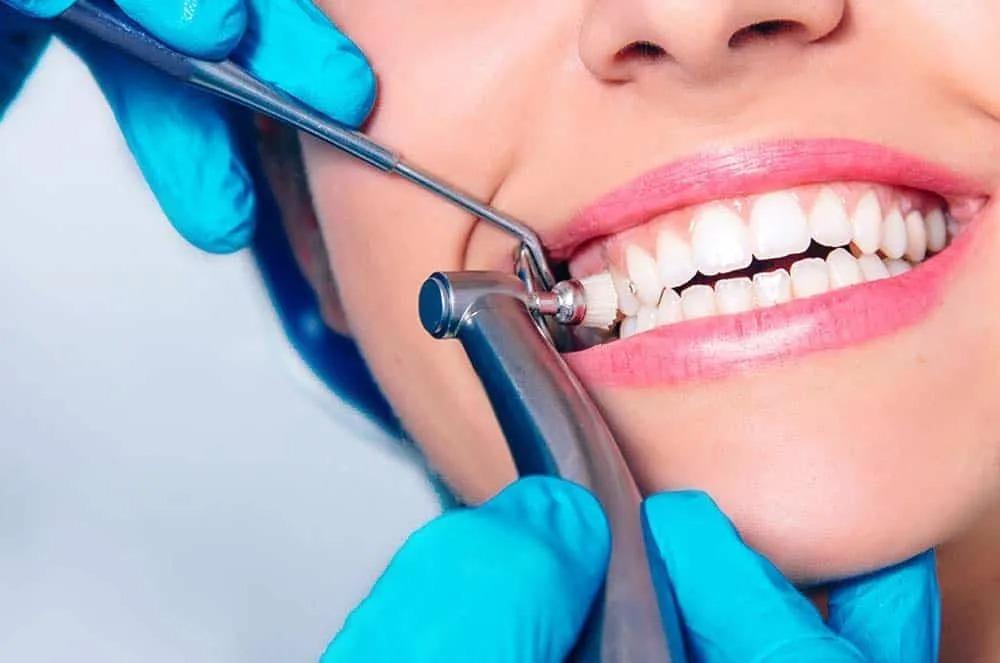
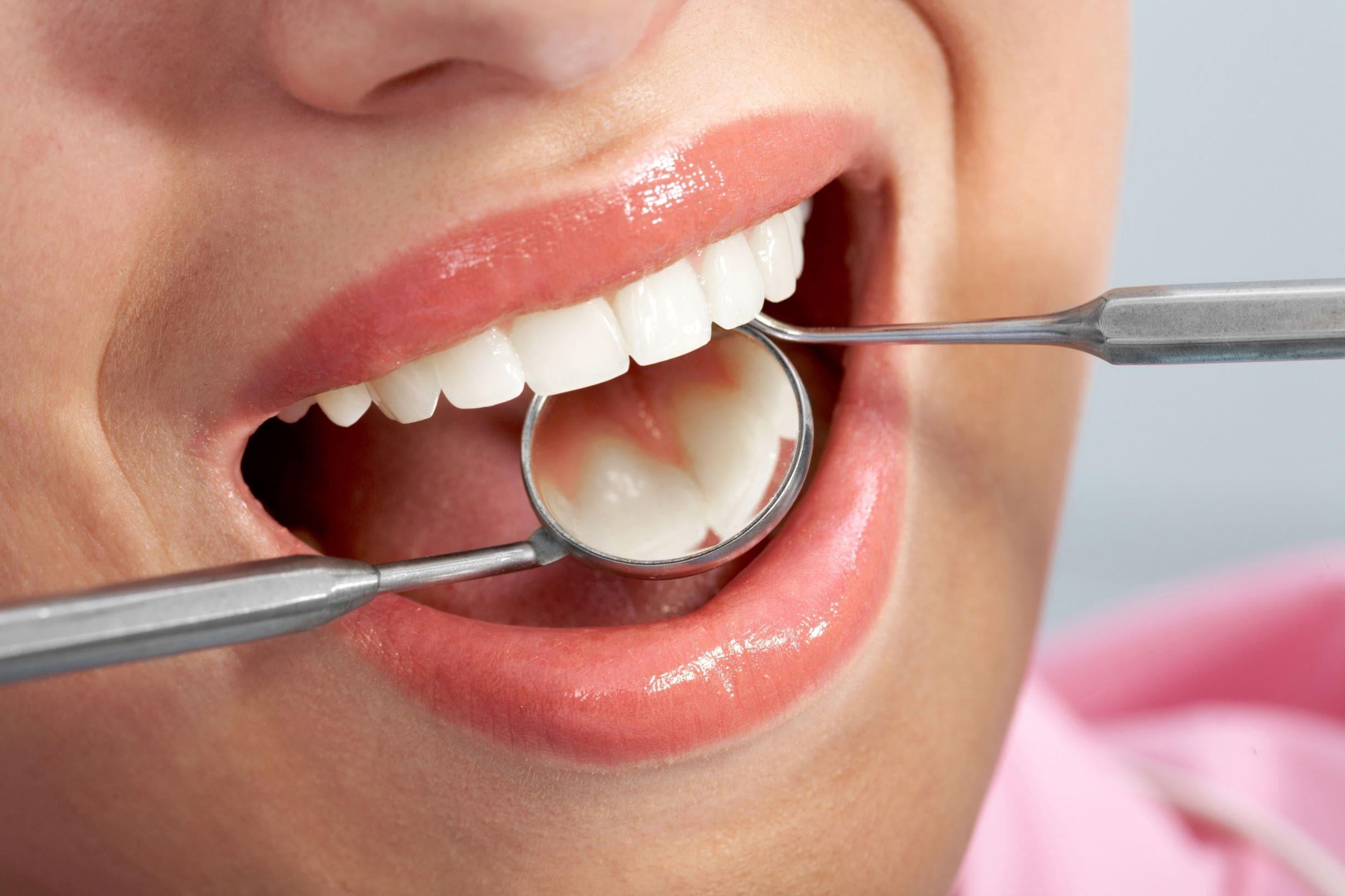
During the visit, the dentist will examine the tooth, take X-rays if necessary, and decide on the best course of action. Minor chips may be smoothed or repaired with dental bonding. Broken teeth may require crowns, fillings, or in severe cases, root canal therapy. The dentist will also check surrounding teeth and gum tissue for hidden damage. Pediatric dentists often use child-friendly techniques or sedation to ensure a comfortable experience. The visit ensures proper healing and reduces the risk of long-term complications.
Treatment Options for Chipped or Broken Teeth
Dental Bonding
Dental bonding involves applying a tooth-colored resin to repair small chips or fractures. It is a quick, minimally invasive procedure that restores both appearance and function. The bonding material is shaped and hardened using a special light to match the natural tooth. This procedure protects the tooth from further damage. Follow-up visits ensure the bonding remains intact. Bonding is often the preferred solution for minor damage in children’s teeth.
Crowns
For larger breaks, crowns may be necessary to cover and protect the damaged tooth. Pediatric crowns restore strength, functionality, and appearance. They are specially designed to fit children’s teeth and accommodate growth. Crowns prevent further fractures and allow normal eating and speaking. They are particularly useful for permanent teeth that sustain significant damage. Early intervention with crowns reduces the need for more extensive procedures later.
Root Canal Treatment
If the pulp inside the tooth is exposed or infected, root canal therapy may be required. This procedure removes damaged tissue, disinfects the canals, and seals the tooth. Root canal treatment preserves the natural tooth and prevents infection from spreading. Pediatric dentists use techniques to make the procedure as comfortable as possible. Timely treatment ensures long-term oral health and tooth functionality. Root canals are critical for severe fractures or injuries involving the inner layers of the tooth.
Preventing Future Dental Injuries

Safety Measures at Home
Parents can reduce the risk of dental injuries by supervising play and ensuring a safe environment. Avoid letting children chew on hard objects such as ice, pens, or toys. Encourage safe behaviors during running, climbing, or other physical activities. Use cushioned play areas where possible to minimize falls. Teaching children proper handling and awareness is an effective prevention strategy. Early education reduces accidents and protects teeth from trauma.
Use Mouthguards During Sports
Children participating in sports or physical activities should wear mouthguards to protect teeth. Custom-fitted mouthguards offer the best protection for teeth, gums, and jaw. They prevent chips, fractures, and more severe dental trauma. Mouthguards are particularly important in contact sports like football, hockey, and martial arts. Regular dental check-ups ensure the mouthguard fits properly as your child grows. Consistent use significantly lowers the risk of dental injuries.
Regular Dental Visits
Routine dental check-ups help monitor tooth development and detect any weaknesses or early signs of damage. Dentists provide guidance on preventive care and protective measures. Regular visits allow for timely intervention if minor issues are noticed. Preventive care builds strong oral habits for children. Early detection and treatment of dental issues ensure long-term oral health. Parents play a crucial role in maintaining consistent dental visits.
Conclusion
Chipped or broken teeth in children are common but manageable with proper care. Immediate actions, including staying calm, stopping bleeding, preserving fragments, and managing pain, can significantly improve outcomes. Seeking prompt dental evaluation ensures the best treatment, whether bonding, crowns, or root canal therapy. Preventive strategies such as mouthguards, safe play, and routine dental visits reduce the risk of future injuries. With careful attention and professional guidance, children can maintain healthy teeth and enjoy confident smiles.
FAQs
What should I do immediately if my child chips a tooth?
Stay calm, control bleeding, rinse the mouth gently, and save any tooth fragments if possible.
When should I see a dentist for a chipped or broken tooth?
See a dentist urgently if the tooth is painful, loose, or if pulp is exposed.
Can minor chips heal on their own?
Minor chips may not hurt, but professional evaluation is necessary to prevent further damage.
How can I prevent my child from chipping teeth in the future?
Use mouthguards during sports, supervise play, and discourage chewing hard objects.
Are dental procedures for broken teeth painful for children?
Pediatric dentists use local anesthesia or sedation to make procedures comfortable and stress-free.