Dental bonding is one of the most common cosmetic dentistry procedures, valued for its simplicity, affordability, and effectiveness. If you are planning to fix chipped teeth, close small gaps, reshape uneven teeth, or improve discoloration, a bonding appointment can deliver noticeable results in a single visit. However, many patients feel uncertain because they do not know what happens during the procedure. Understanding the full process can reduce anxiety and help you feel confident before sitting in the dental chair.
This comprehensive guide explains everything you can expect during a dental bonding appointment, from preparation and consultation to the step-by-step procedure, aftercare, benefits, limitations, and long-term results. Whether you are considering bonding for cosmetic or minor restorative reasons, this article will help you make an informed decision.
Understanding Dental Bonding
What Is Dental Bonding?
Dental bonding is a cosmetic dental procedure in which a tooth-colored resin material is applied to the surface of the teeth. The material is shaped, hardened with a special curing light, and polished to blend seamlessly with natural teeth. It is commonly used to repair chips, cracks, discoloration, gaps, and uneven tooth shapes.
Bonding is considered a conservative treatment because it preserves most of the natural tooth structure. Unlike veneers or crowns, it usually does not require significant enamel removal. This makes bonding a preferred option for patients seeking subtle cosmetic improvements with minimal intervention.
Why Dental Bonding Is Popular
Dental bonding has gained popularity because it offers immediate results at a lower cost compared to other cosmetic procedures. It is typically completed in one visit, does not require anesthesia in most cases, and produces natural-looking outcomes. Patients appreciate the quick transformation without lengthy appointments or complex dental work.
Reasons Patients Choose Dental Bonding
Repairing Chipped or Cracked Teeth
One of the most common reasons for dental bonding is repairing chipped teeth caused by accidents, biting hard foods, or wear and tear. Bonding restores the tooth’s original shape and strength, preventing further damage.
Improving Tooth Discoloration
Some stains do not respond well to whitening treatments, especially deep discoloration caused by medication or trauma. Dental bonding can cover these stains, creating a brighter and more uniform smile.
Closing Small Gaps Between Teeth
Minor gaps between teeth can be closed using bonding material. This approach avoids orthodontic treatment and provides immediate cosmetic improvement.
Reshaping Uneven or Short Teeth
Bonding is often used to reshape teeth that are uneven, worn down, or shorter than surrounding teeth. The dentist carefully sculpts the resin to achieve symmetry and balance in the smile.
Preparing for a Bonding Appointment

Initial Dental Consultation
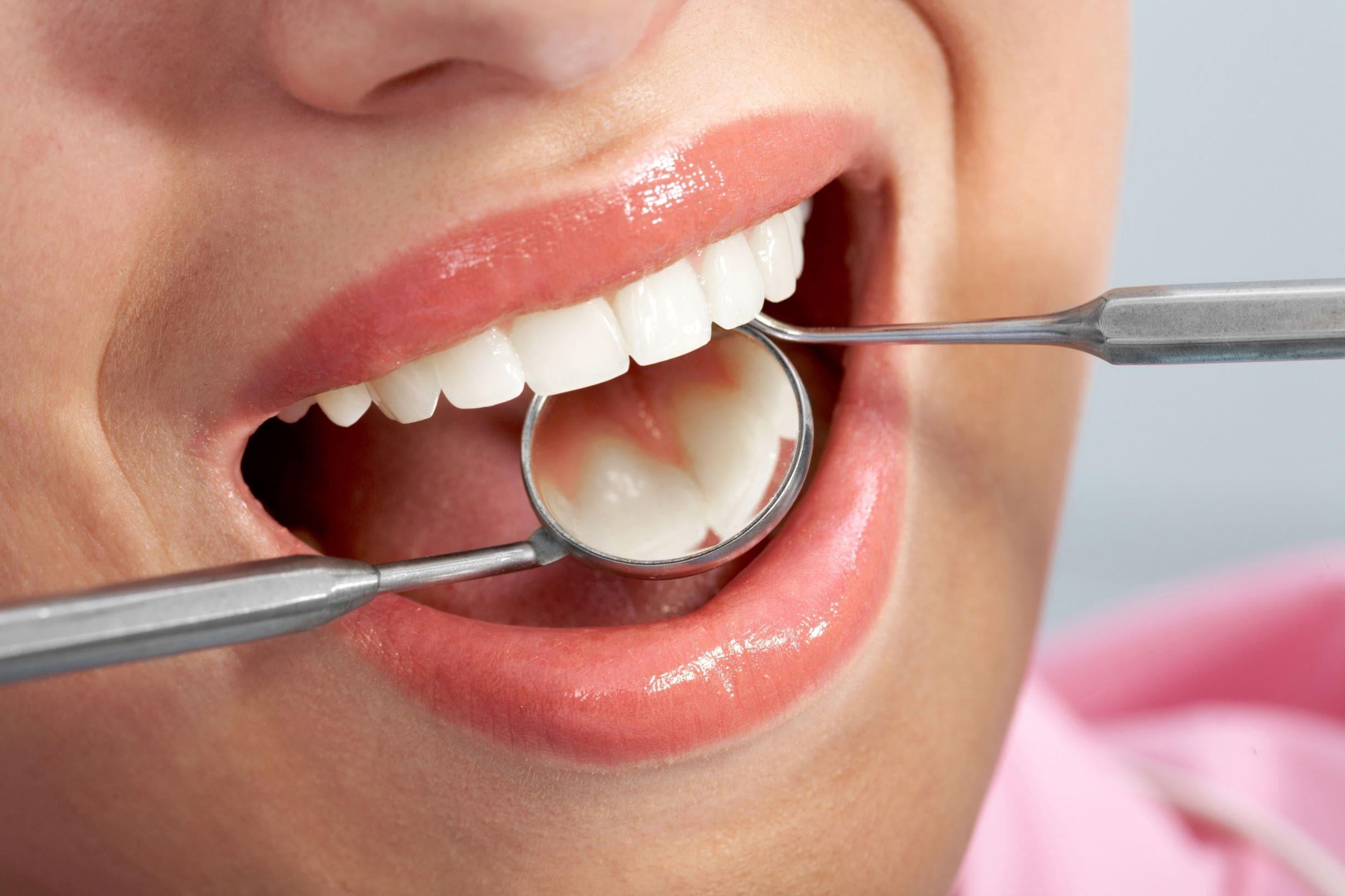
Before the bonding procedure, your dentist will conduct a consultation to evaluate your oral health and cosmetic goals. This appointment involves examining your teeth, discussing your concerns, and determining whether bonding is the most suitable option for your needs.
The dentist may take X-rays or photographs to assess the tooth structure and ensure there are no underlying issues such as decay or infection. Bonding is only recommended for healthy teeth and gums.
Discussing Expectations and Outcomes
During the consultation, your dentist will explain what bonding can and cannot achieve. While bonding is effective for minor cosmetic issues, it may not be suitable for extensive damage or severe misalignment. Setting realistic expectations ensures satisfaction with the final results.
Choosing the Right Shade
A critical part of preparation is selecting the resin shade that best matches your natural teeth. Dentists use shade guides to ensure the bonding material blends seamlessly with your smile. Proper shade selection is essential for natural-looking results.
What Happens on the Day of the Bonding Appointment
Arrival and Initial Assessment
On the day of your bonding appointment, the dentist will begin by reviewing the treatment plan. The tooth or teeth being treated are examined again to confirm readiness for the procedure.
In most cases, no anesthesia is required because bonding is a painless process. However, if bonding is being used to fill a cavity or repair a tooth near a nerve, local anesthesia may be administered for comfort.
Tooth Surface Preparation
The first step in the bonding procedure is preparing the tooth surface. The dentist lightly roughens the enamel to create a better bonding surface. A conditioning liquid is then applied to help the resin adhere securely to the tooth.
This preparation step is quick and does not involve drilling or removal of significant tooth structure, which is why bonding is considered minimally invasive.
Step-by-Step Dental Bonding Procedure
Application of the Bonding Resin
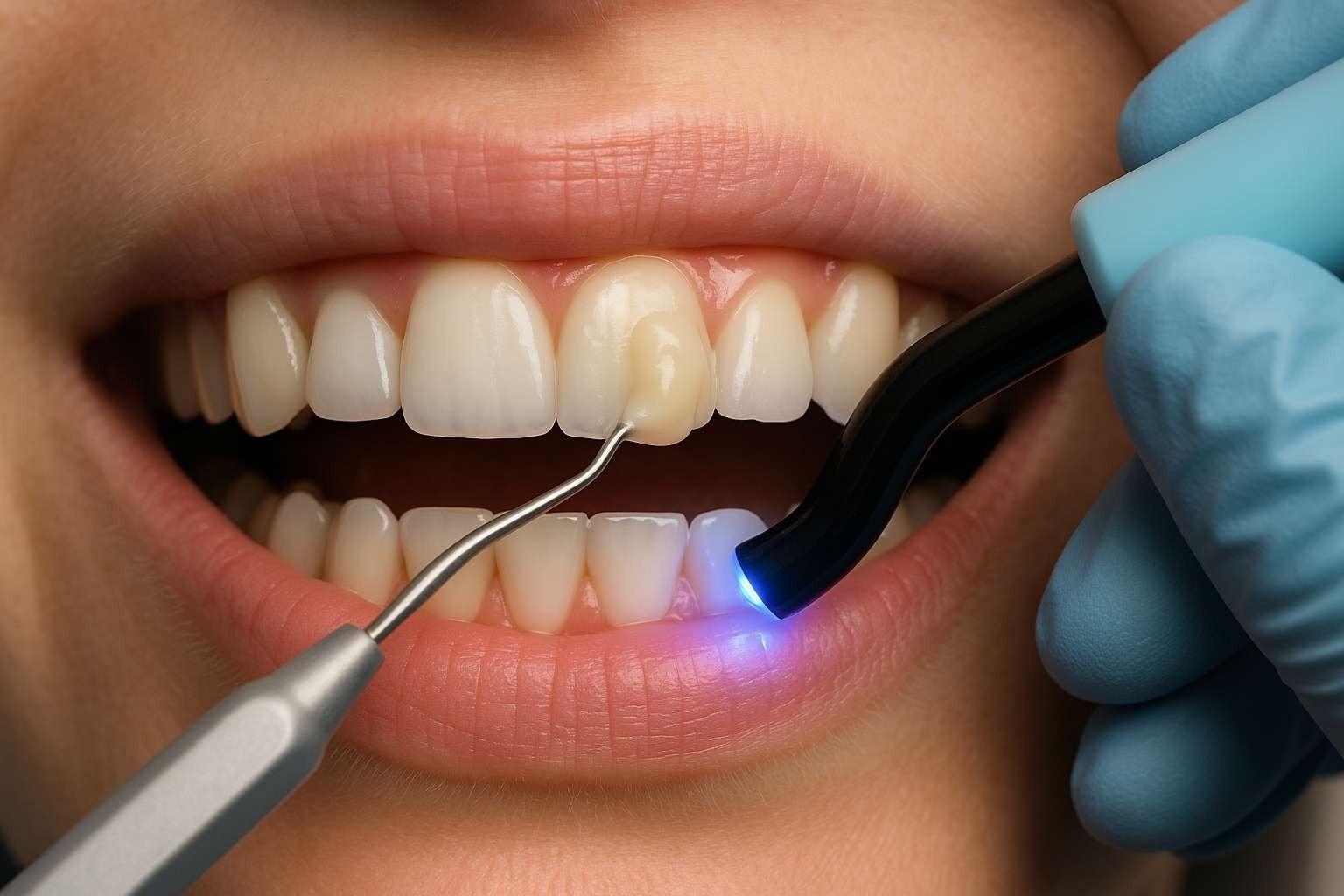
Once the tooth is prepared, the dentist applies the tooth-colored resin in layers. The material has a putty-like consistency, allowing the dentist to mold and shape it precisely. This stage requires artistic skill, as the dentist sculpts the resin to mimic the natural contours of the tooth.
The dentist may ask you to bite down or smile during this process to ensure the shape feels comfortable and looks natural.
Hardening the Resin with a Curing Light
After shaping the resin, a special ultraviolet or LED curing light is used to harden the material. The light activates chemicals in the resin, causing it to solidify within seconds.
This process may be repeated multiple times as additional layers of resin are applied to achieve the desired shape and strength.
Shaping and Polishing
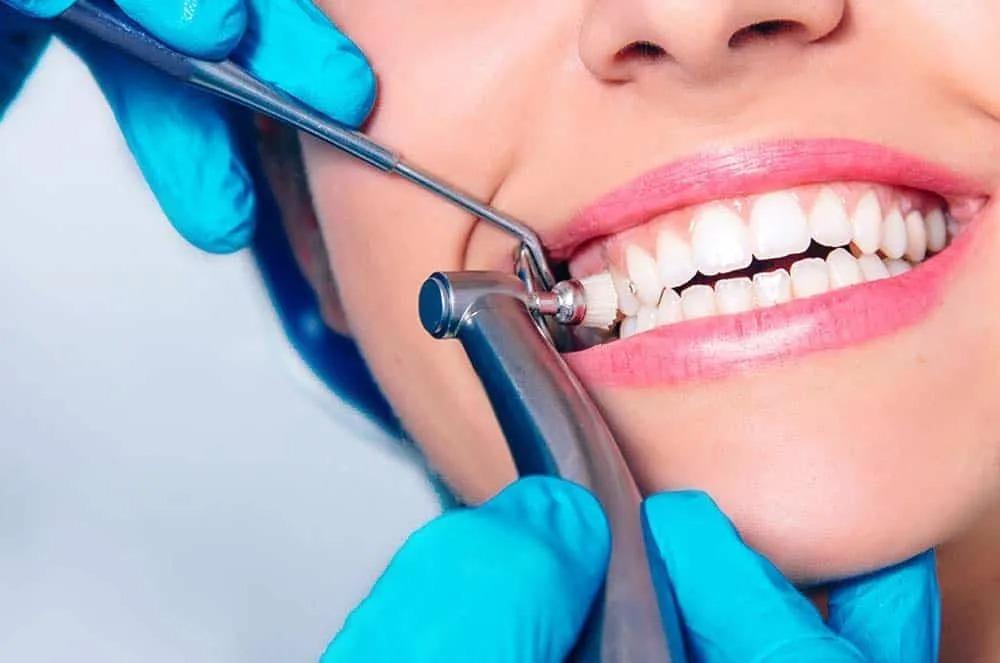
Once the resin is fully hardened, the dentist trims and shapes it further to refine the appearance. The final step involves polishing the bonded tooth so it matches the shine and texture of natural enamel.
Polishing ensures the bonded area feels smooth and does not interfere with your bite or speech.
Duration of a Bonding Appointment
How Long the Procedure Takes
A dental bonding appointment typically takes between 30 minutes to one hour per tooth. The exact duration depends on the number of teeth being treated and the complexity of the cosmetic correction.
For patients having multiple teeth bonded, the appointment may be longer, but it is often still completed in a single visit.
Immediate Results
One of the biggest advantages of dental bonding is that results are visible immediately. You can walk out of the dental office with an improved smile on the same day, without waiting for lab-made restorations.
Comfort and Pain Management During Bonding
Is Dental Bonding Painful?
Dental bonding is generally painless and comfortable. Since the procedure does not involve drilling deep into the tooth, most patients do not require anesthesia. Mild sensitivity may be felt during surface preparation, but it is usually minimal.
Patients with dental anxiety often find bonding more comfortable than other restorative procedures.
Managing Sensitivity After the Procedure
Some patients may experience mild tooth sensitivity to hot or cold temperatures for a short period after bonding. This sensitivity typically resolves within a few days and does not require special treatment.
Aftercare Instructions Following a Bonding Appointment
Immediate Post-Procedure Care
After your bonding appointment, you can resume normal activities immediately. There is no downtime required. However, dentists often recommend avoiding staining foods and drinks such as coffee, tea, red wine, and tobacco for at least 24 to 48 hours.
This precaution helps prevent discoloration of the bonding material while it fully settles.
Oral Hygiene Practices
Maintaining good oral hygiene is essential for preserving bonded teeth. Brushing twice daily, flossing regularly, and using a non-abrasive toothpaste help protect the resin from wear and staining.
Regular dental checkups allow your dentist to monitor the condition of the bonded areas and address any issues early.
Longevity and Durability of Dental Bonding
How Long Does Dental Bonding Last?
Dental bonding typically lasts between 5 to 10 years, depending on oral habits and care. Bonded teeth are durable but not as strong as natural enamel or porcelain restorations.
Habits such as nail-biting, chewing ice, or using teeth as tools can shorten the lifespan of bonding.
Repairing or Replacing Bonded Teeth
If bonding chips or wears down over time, it can often be repaired or replaced easily. The dentist can add more resin or reshape the existing bonding without extensive procedures.
Advantages of Dental Bonding
Cost-Effective Cosmetic Solution
Dental bonding is more affordable than veneers or crowns, making it accessible for many patients. It provides noticeable cosmetic improvements without a high financial burden.
Conservative and Reversible Treatment
Because bonding requires minimal alteration of natural teeth, it is considered a conservative option. In some cases, bonding can even be removed or replaced without permanent changes to the tooth.
Quick and Convenient
Bonding is ideal for patients seeking fast results. The entire process is usually completed in one appointment, making it convenient for busy schedules.
Limitations of Dental Bonding
Stain Resistance
Unlike porcelain veneers, bonding resin is more prone to staining over time. Patients who consume staining foods or smoke may notice discoloration sooner.
Strength Compared to Other Restorations
Bonding is not as strong as crowns or veneers. It may not be suitable for repairing large fractures or restoring teeth subjected to heavy biting forces.
Who Is an Ideal Candidate for Dental Bonding?
Patients with Minor Cosmetic Issues
Dental bonding is best suited for individuals with small chips, gaps, discoloration, or shape irregularities. It is not recommended for extensive structural damage.
Patients Seeking Non-Invasive Treatment
Those who prefer minimally invasive cosmetic dentistry often choose bonding because it preserves natural tooth structure.
Dental Bonding vs Other Cosmetic Procedures
Bonding vs Veneers
Veneers offer greater durability and stain resistance but require enamel removal and higher costs. Bonding provides a simpler and more affordable alternative for minor cosmetic concerns.
Bonding vs Crowns
Crowns are used for significant tooth damage and offer maximum protection. Bonding is ideal for cosmetic enhancement rather than structural restoration.
Psychological Benefits of Dental Bonding

Boosting Confidence and Self-Esteem
Improving the appearance of teeth can significantly enhance confidence. Patients often feel more comfortable smiling, speaking, and interacting socially after bonding.
Positive Impact on Oral Health Habits
Patients who invest in cosmetic treatments are more likely to maintain good oral hygiene, contributing to long-term dental health.
Common Myths About Dental Bonding
Bonding Looks Unnatural
Modern bonding materials are highly advanced and closely mimic natural enamel. When performed by a skilled dentist, bonding looks natural and seamless.
Bonding Is Only Cosmetic
While bonding is primarily cosmetic, it also provides protective benefits by sealing cracks and preventing further damage.
Questions to Ask Your Dentist Before Bonding
Understanding Suitability
Ask your dentist whether bonding is the best option for your specific dental issue. Understanding alternatives helps you make an informed decision.
Discussing Longevity and Maintenance
Knowing how long bonding lasts and how to care for it ensures realistic expectations and long-term satisfaction.
Final Thoughts on What to Expect During a Bonding Appointment
Dental bonding is a straightforward, effective, and patient-friendly cosmetic dental procedure. From the initial consultation to the final polishing, the process is designed to be comfortable, efficient, and rewarding. Patients can expect minimal discomfort, immediate results, and a noticeable improvement in their smile.
Understanding what happens during a bonding appointment removes uncertainty and empowers you to approach the procedure with confidence. With proper care and realistic expectations, dental bonding can be a valuable investment in both appearance and oral health.