Your diet plays a crucial role in the health of your teeth and gums. What you eat can either strengthen your enamel or contribute to decay and gum disease. Foods rich in essential nutrients help maintain strong teeth, while sugary and acidic foods can cause erosion. Understanding how your eating habits impact oral health is the first step toward a healthier smile. With the right diet, you can reduce cavities, prevent sensitivity, and promote overall oral wellness. Your next meal could be an opportunity to protect your teeth naturally.
The Role of Nutrition in Dental Health
Essential Nutrients for Strong Teeth
Certain nutrients are vital for maintaining healthy teeth. Calcium and phosphorus strengthen tooth enamel, making it resistant to decay. Vitamin D helps your body absorb calcium effectively, while vitamin C supports gum health by promoting collagen production. Foods like dairy, leafy greens, nuts, and fish provide these essential nutrients. Incorporating them into your daily diet ensures strong teeth and healthy gums. A well-balanced intake of these nutrients forms the foundation of long-term dental health.
How Deficiencies Affect Oral Health
Lack of key nutrients can cause serious dental problems over time. Calcium or vitamin D deficiency weakens enamel, making teeth prone to cavities and fractures. Vitamin C deficiency can lead to bleeding gums and gum disease, while insufficient phosphorus affects bone density in the jaw. Poor nutrition also slows the healing process after dental procedures. Deficiencies in essential vitamins and minerals make your teeth vulnerable to decay, sensitivity, and other oral conditions. Maintaining a nutrient-rich diet prevents these issues before they start.
Foods That Harm Your Teeth
Sugar and Its Role in Tooth Decay
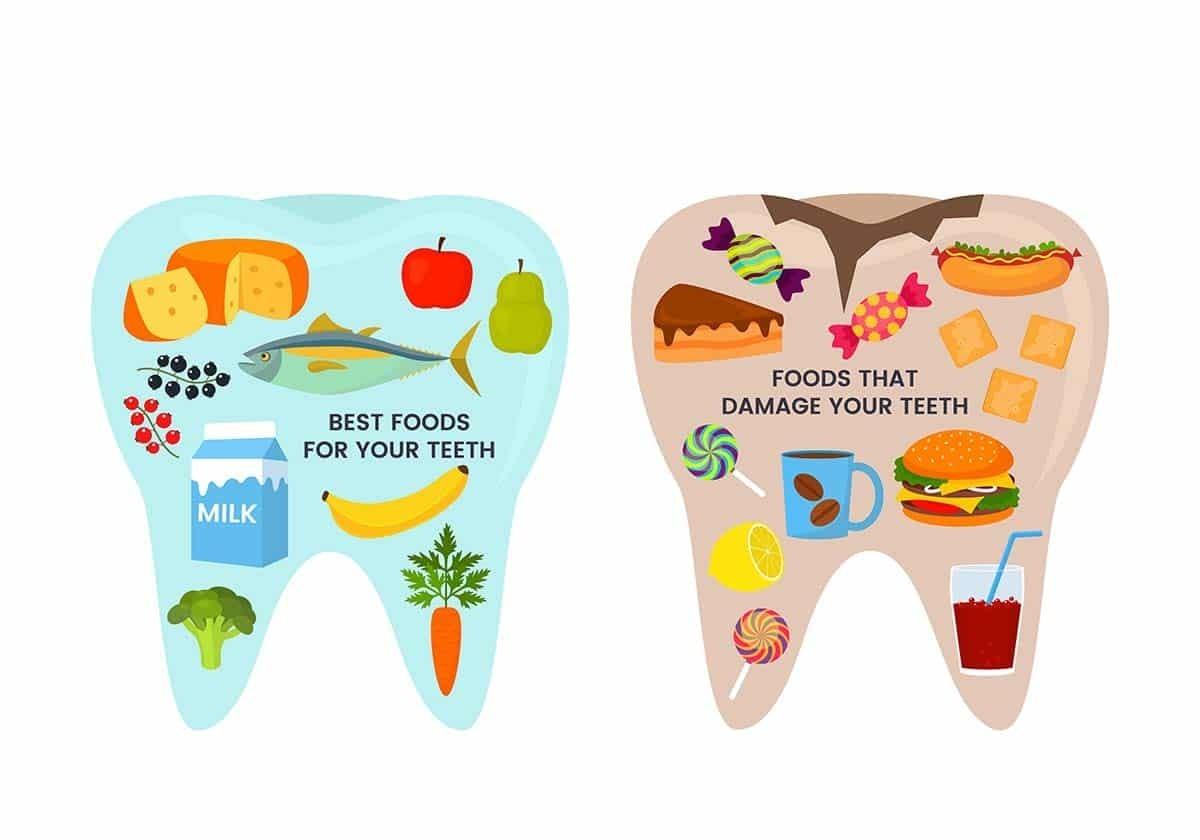
Sugar is the primary enemy of teeth because it fuels bacteria in the mouth. These bacteria produce acids that erode tooth enamel, leading to cavities. Frequent consumption of sweets, sodas, and pastries increases the risk of decay. Even hidden sugars in processed foods can damage teeth over time. Limiting sugar intake and maintaining proper oral hygiene reduces the likelihood of enamel erosion. Understanding the link between sugar and tooth decay is crucial for long-term dental health.
Acidic Foods and Drinks
Acidic foods and beverages can weaken and erode enamel over time. Citrus fruits, soft drinks, and vinegar-based foods lower the pH in the mouth, making teeth more vulnerable to decay. Enamel does not regenerate naturally, so constant exposure to acids causes irreversible damage. Drinking water after consuming acidic foods can help neutralize the acids. Avoiding prolonged contact with acidic drinks, such as sipping sodas slowly, reduces enamel wear. Being mindful of acidity in your diet is key to protecting your teeth.
Sticky and Processed Foods
Sticky foods like caramel, toffees, and dried fruits cling to teeth, prolonging acid attacks. Processed snacks, especially those high in starch, can get trapped in crevices and feed bacteria. Unlike crunchy foods, these items do not naturally clean the teeth while chewing. The longer they stay on your teeth, the higher the risk of cavities and plaque buildup. Brushing and flossing after consuming sticky foods is essential. Choosing healthier alternatives reduces the risk of long-term dental damage.
Foods That Protect and Strengthen Teeth
Dairy Products for Strong Enamel
Milk, cheese, and yogurt are excellent for dental health because they contain calcium and phosphate. Cheese also helps neutralize acids in the mouth, protecting enamel. Yogurt provides probiotics that reduce harmful oral bacteria. These foods not only strengthen teeth but also support healthy gums. Including dairy in your diet helps prevent decay and enamel erosion. Regular consumption contributes to stronger, healthier teeth over time.
Crunchy Fruits and Vegetables
Crunchy fruits and vegetables, like apples, carrots, and celery, act as natural toothbrushes. Chewing them stimulates saliva production, which washes away food particles and neutralizes acids. They also provide essential vitamins and minerals for dental health. Their fibrous texture helps clean tooth surfaces and reduce plaque buildup. Regularly eating these foods can improve both oral hygiene and overall health. Including a variety of crunchy produce is an easy way to strengthen teeth naturally.
Foods Rich in Vitamins and Minerals
Leafy greens, nuts, fish, and other nutrient-dense foods provide vitamins and minerals that support teeth and gums. Vitamin D improves calcium absorption, while vitamin K2 helps prevent calcium buildup in soft tissues. Nuts and seeds offer magnesium, which strengthens bones and enamel. These foods reduce inflammation, protect gum tissue, and promote overall oral health. A balanced diet rich in these nutrients can prevent cavities, gum disease, and enamel erosion.
Habits That Enhance or Damage Dental Health
Drinking Water
Water is essential for oral health as it rinses away food particles and reduces acid buildup. Fluoridated water strengthens enamel and prevents decay. Drinking water regularly also keeps the mouth hydrated and supports saliva production. Saliva is critical for neutralizing harmful acids and washing away bacteria. Choosing water over sugary or acidic beverages significantly improves dental health. Adequate hydration plays a key role in maintaining a healthy, cavity-free smile.
Timing of Meals and Snacks
How often you eat affects the frequency of acid attacks on your teeth. Frequent snacking increases the risk of cavities because acids constantly attack enamel. Spacing meals and limiting snacks helps teeth recover and reduces decay. Rinsing the mouth or chewing sugar-free gum after snacks can further protect enamel. Being mindful of meal timing promotes healthier teeth and gums. Developing structured eating habits is an important part of oral care.
Chewing Habits and Oral Care
Chewing sugar-free gum stimulates saliva, which naturally cleans teeth and neutralizes acids. Brushing twice daily and flossing removes plaque and prevents cavities. Avoid using teeth as tools to open packages, as this can damage enamel. Regular dental check-ups complement daily oral hygiene. Practicing mindful chewing and proper oral care ensures long-term dental health. These habits prevent enamel erosion, decay, and gum disease.
Special Considerations for Different Age Groups
Children
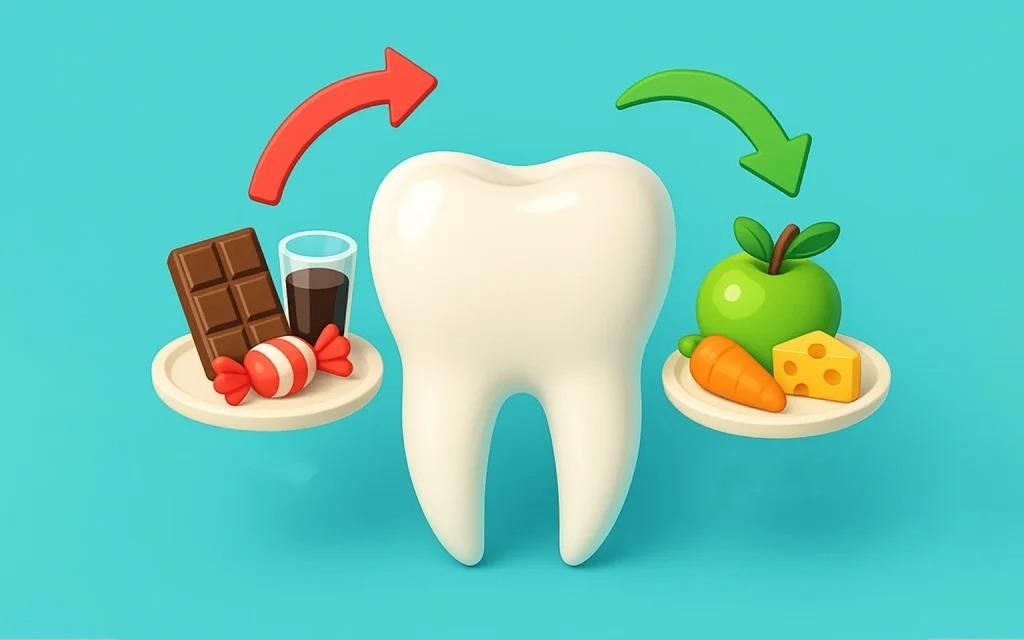
Children’s teeth are especially vulnerable to decay due to developing enamel. High sugar intake and poor oral hygiene can quickly lead to cavities. Encouraging healthy snacks like fruits, vegetables, and dairy strengthens teeth naturally. Teaching children proper brushing and flossing habits early creates lifelong oral health routines. Limiting sugary treats and monitoring diet is essential. Early education prevents dental problems in childhood and adulthood.
Adults
Adults face enamel erosion from acidic foods, coffee, and alcohol. A balanced diet with calcium, phosphorus, and vitamins is essential to maintain dental health. Limiting sugary foods and maintaining oral hygiene prevents decay and sensitivity. Supplements may be necessary if dietary intake is insufficient. Adults should schedule regular dental check-ups to monitor enamel and gum health. Maintaining a nutrient-rich diet supports long-term oral wellness.
Elderly
Aging reduces saliva production, increasing the risk of dry mouth and decay. Gums may recede, exposing tooth roots to sensitivity and cavities. Soft, nutrient-rich foods help maintain oral health. Dairy, vegetables, and fruits provide essential vitamins for teeth and gums. Hydration and oral care routines become more important with age. Proper nutrition reduces the risk of decay, gum disease, and tooth loss in the elderly.
Conclusion
Your diet has a profound effect on the health of your teeth and gums. Choosing nutrient-rich foods while avoiding excessive sugar and acidic items strengthens enamel and prevents decay. Drinking water, chewing nutritious foods, and spacing meals further support dental health. Age-specific considerations ensure that children, adults, and the elderly maintain strong, healthy teeth. By combining a balanced diet with proper oral hygiene, you can protect your smile for life. Small dietary changes can lead to significant long-term benefits for your oral health.
FAQs
Can sugar-free foods still harm my teeth?
Yes, some sugar-free foods contain acids or sticky components that can damage enamel.
How does acidic food damage enamel?
Acid lowers mouth pH, softens enamel, and increases the risk of decay over time.
Are dairy products really good for teeth?
Absolutely, they provide calcium and phosphate, which strengthen enamel and support gums.
How often should I rinse my mouth after eating sweets?
Rinse or drink water immediately after consuming sugary foods to neutralize acids.
Which vitamins are most important for dental health?
Calcium, phosphorus, vitamin D, and vitamin C are essential for strong teeth and healthy gums.