Understanding Dental Bonding
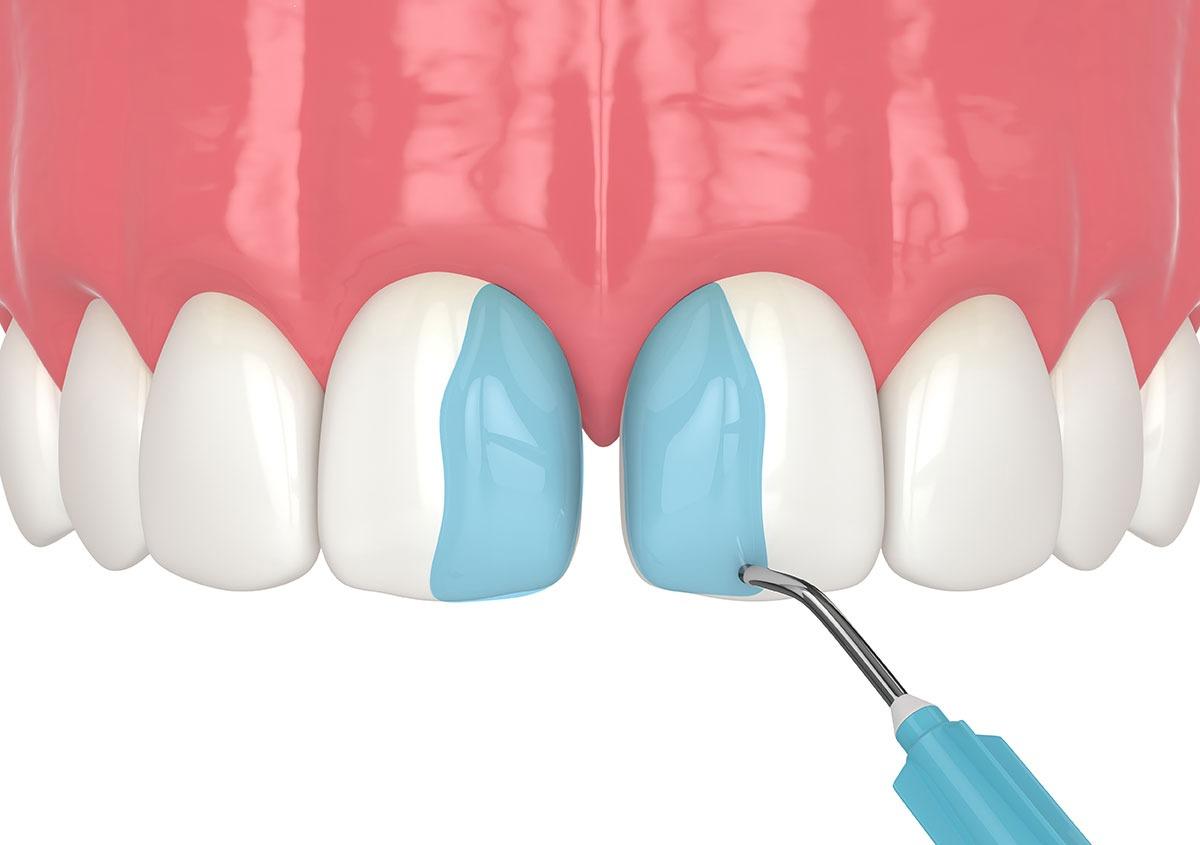
Dental bonding involves applying a tooth-colored resin to the damaged area of your tooth. A skilled dentist shapes and hardens this resin using a special light, which bonds the material to your natural tooth. The procedure is minimally invasive, preserving the original tooth structure while addressing cosmetic concerns. Unlike crowns or veneers, dental bonding does not require extensive drilling or reshaping, making it a preferred option for minor cosmetic fixes.
The resin used in dental bonding closely matches your natural tooth color. This ensures that the repair looks seamless and natural. Whether your tooth has a small chip, discoloration, or slight gap, dental bonding can provide a quick improvement. Its versatility and speed make it especially appealing for patients seeking an immediate cosmetic solution without a lengthy recovery period. For patients interested in more comprehensive cosmetic changes, you can also explore smile makeover procedures.
The Dental Bonding Procedure Step by Step
The dental bonding procedure usually completes in one office visit, often lasting between 30 minutes to an hour per tooth. The process begins with your dentist examining the damaged tooth to ensure that bonding is appropriate. They then select a resin color that matches your surrounding teeth.
Next, the dentist prepares the tooth surface. They lightly roughen the enamel and apply a conditioning liquid. This step enhances the bond between the resin and your natural tooth. The dentist then applies the composite resin, carefully sculpting it to match the natural contours of your tooth. Once shaped, a special ultraviolet light hardens the material, and the dentist polishes it to create a smooth, natural finish. To learn more about what to expect during this type of appointment, you can read this guide on dental bonding appointments.
Patients often notice immediate improvement in appearance and function. Since bonding requires minimal tooth alteration, the procedure causes little to no discomfort. Many patients return to work or school immediately after treatment, making dental bonding a convenient choice for busy lifestyles.
Benefits of Dental Bonding
Dental bonding provides several key benefits that make it a popular choice among patients. Firstly, it offers an affordable alternative to veneers or crowns. The cost of bonding is significantly lower, making it accessible for those who want cosmetic improvement without a substantial financial investment. Patients who want stronger protection for severely damaged teeth might also consider dental crowns or dental implants as complementary options.
Secondly, dental bonding provides fast results. In most cases, dentists complete the procedure in one visit, allowing patients to leave with a fully restored smile. Additionally, bonding preserves more of your natural tooth structure compared to other cosmetic procedures, minimizing irreversible damage.
Another benefit is versatility. Dental bonding corrects chipped or cracked teeth, fills gaps, improves tooth shape, and even masks discoloration. While it may not replace major restorative work for severely damaged teeth, it provides an excellent solution for minor cosmetic imperfections. To extend the longevity of bonded teeth, see our guide on dental bonding durability and care.
Aftercare Tips for Dental Bonding
Taking proper care of bonded teeth ensures they last as long as possible. Brush twice daily using a soft-bristled toothbrush and fluoride toothpaste. Floss carefully to avoid putting excessive pressure on the bonded areas. Although bonded teeth resist normal wear, avoid biting hard foods, ice, or pens, which can damage the resin.
Patients should also avoid staining foods and drinks, such as coffee, tea, and red wine, especially in the first 48 hours after the procedure. While dental bonding does not discolor as easily as natural teeth, prolonged exposure to staining agents may dull the appearance. Regular dental cleanings help maintain a bright, natural-looking smile. For comprehensive oral care advice, see our guide on dental check-ups.
Conclusion
Dental bonding offers a practical and cost-effective solution for chipped teeth and minor cosmetic concerns. Its speed, affordability, and minimal invasiveness make it an attractive option for people of all ages. By understanding the procedure, benefits, costs, and aftercare requirements, patients can make informed decisions to restore their smiles confidently. Whether you seek to fix a small chip or enhance your overall appearance, dental bonding provides a fast, natural, and lasting improvement that allows you to smile freely and confidently every day.