Dental bonding is one of the most popular cosmetic dental procedures for patients seeking a fast, affordable way to enhance their smiles. It uses a tooth-colored composite resin to repair chips, close small gaps, and cover discoloration instantly improving the look of your teeth without the need for extensive dental work.
Since it’s minimally invasive, completed in a single visit, and doesn’t require anesthesia, dental bonding is often the first choice for patients wanting subtle but noticeable results. However, a common question most people ask is: “How long does dental bonding last?”
The answer depends on several factors. In this article, we’ll explain the average lifespan of dental bonding, what affects its durability, signs that it needs repair, and practical tips to make it last as long as possible.
What Is Dental Bonding?
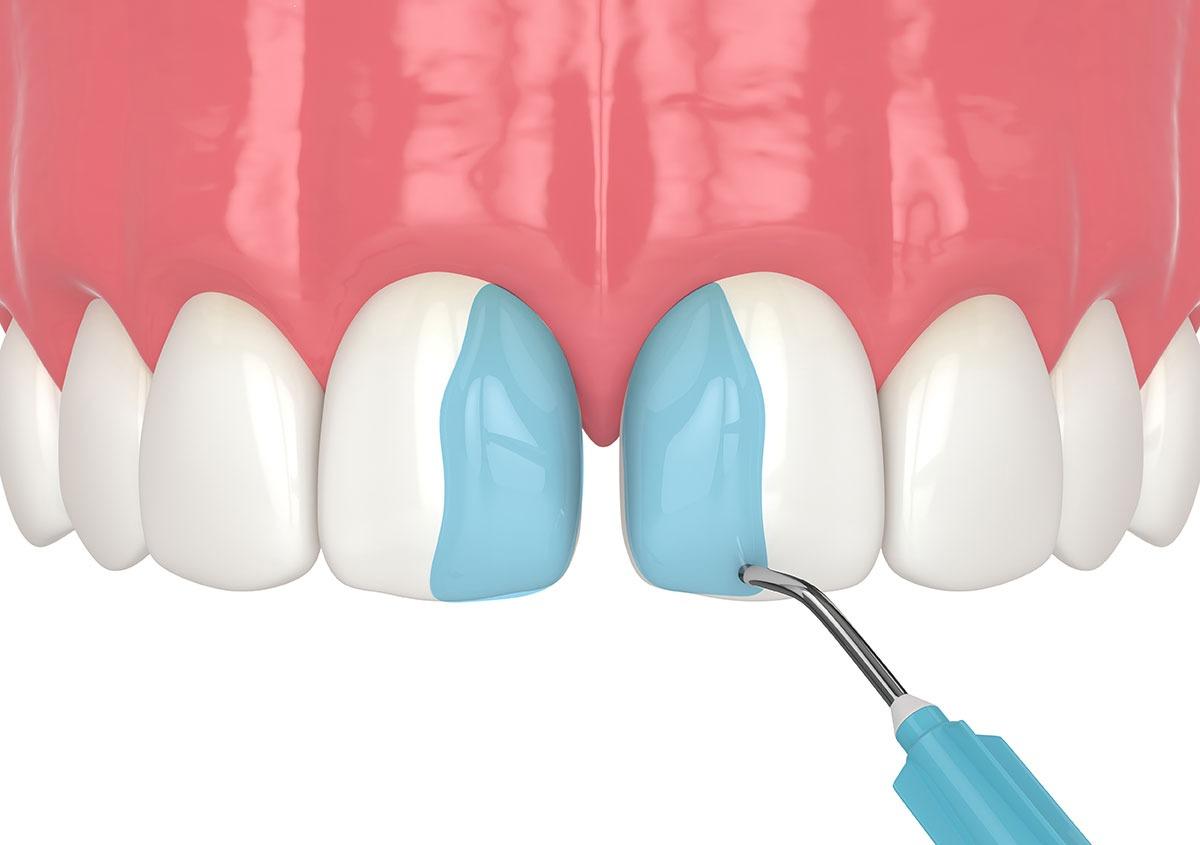
Dental bonding is a cosmetic dental procedure in which a tooth-colored composite resin is applied to the surface of a tooth to improve its shape, color, or strength. The resin is molded and polished to blend seamlessly with your natural teeth, creating a smooth, natural-looking finish.
Unlike veneers or crowns which require removing enamel or multiple visits bonding is non-invasive and quick. Most procedures are completed within 30 to 60 minutes per tooth, and you can resume normal activities immediately afterward.
Bonding is commonly used to:
- Repair minor chips and cracks
- Close small spaces between teeth
- Reshape uneven or short teeth
- Cover discoloration or stains
- Protect exposed tooth roots caused by gum recession
Because of its versatility and affordability, dental bonding is often described as the “cosmetic quick fix” of dentistry.
How Long Does Dental Bonding Last on Average?
The average lifespan of dental bonding ranges between 5 to 10 years, though this can vary depending on your lifestyle, oral habits, and maintenance routine. With excellent care and regular dental checkups, some patients can maintain their bonding for well over a decade.
The resin material used in bonding is durable but not as hard as natural enamel. Over time, it may wear down, chip, or discolor, particularly if exposed to constant pressure or staining substances. Still, bonding remains one of the most cost-effective ways to improve your smile while maintaining a natural appearance.
Factors That Affect the Lifespan of Dental Bonding

Location of the Bonding
Where the bonding is applied plays a major role in how long it lasts. Bonding on front teeth generally lasts longer since these teeth experience less biting pressure. Bonding on molars or biting edges, on the other hand, may wear faster due to the constant force of chewing.
Oral Habits and Behavior
Everyday habits can significantly influence the bonding’s durability. Nail-biting, chewing ice, opening bottles with your teeth, or grinding (bruxism) can cause chips or cracks in the resin. Even nervous habits like biting pencils or pens can weaken the bonded area over time.
Diet and Staining Substances
Composite resin is slightly porous, meaning it can absorb pigments from food and drinks. Regular consumption of coffee, tea, red wine, cola, and tobacco can lead to discoloration. Unlike porcelain veneers, bonding cannot be whitened, so prevention is key to maintaining its color.
Oral Hygiene Practices
A consistent oral hygiene routine greatly extends the lifespan of your bonding. Brushing twice a day with a non-abrasive toothpaste, flossing daily, and using fluoride mouthwash helps prevent plaque buildup and keeps the bonded surfaces smooth.
Dentist’s Technique and Materials Used
The dentist’s expertise and the quality of the resin used also affect longevity. An experienced dentist uses advanced bonding materials and precise techniques to ensure a strong, durable bond that lasts longer and blends perfectly with natural teeth.
Signs Your Dental Bonding Needs Repair or Replacement
Over time, your bonding may show signs of wear. Common indicators include:
If the bonded area becomes discolored or noticeably different from the rest of your teeth, it may need polishing or replacement. Small chips, cracks, or rough edges on the resin surface are also signs of deterioration. You might experience tooth sensitivity, especially when eating hot or cold foods, indicating that the bonding no longer seals the tooth properly. In some cases, the bonding material may simply appear dull, uneven, or less glossy compared to when it was first applied.
If you notice any of these symptoms, it’s best to visit your dentist for evaluation before the issue worsens.
How to Make Dental Bonding Last Longer
Maintain Excellent Oral Hygiene
Brush your teeth twice daily with a soft-bristled toothbrush and non-abrasive toothpaste, and floss regularly to prevent buildup that can weaken or dull the resin.
Avoid Hard or Sticky Foods
Try not to bite into hard candies, ice cubes, or nuts with bonded teeth. Sticky foods like caramel or chewing gum can also pull or stress the bonding material.
Limit Staining Habits
Cut down on staining beverages like coffee, red wine, and tea. If you enjoy these drinks, use a straw to minimize contact with your bonded teeth, and rinse your mouth afterward. Smoking should also be avoided, as nicotine stains can permanently discolor resin.
Schedule Regular Dental Checkups
Visiting your dentist every six months allows for early detection of minor damage. Your dentist can polish and reshape the bonding, helping it maintain its shine and structure for years.
Use a Mouthguard if Needed
If you grind your teeth at night (a condition known as bruxism) or play contact sports, wearing a custom mouthguard is one of the best ways to protect your bonding and natural teeth from damage.
Can Dental Bonding Be Repaired or Replaced?

Yes, one of the advantages of dental bonding is that it can be easily repaired or replaced. If the resin chips or wears down, your dentist can reapply and reshape the composite material without removing the entire restoration.
Repairs are generally quick, pain-free, and inexpensive, often completed in a single visit. This makes bonding a practical and convenient cosmetic solution compared to other treatments that require lab work or multiple appointments.
Alternatives to Dental Bonding for Longer-Lasting Results
While dental bonding is an excellent choice for quick, affordable smile improvements, it may not be the most durable solution for every patient. Some individuals prefer options that offer greater longevity, stain resistance, and strength especially when addressing more significant cosmetic or structural concerns. Fortunately, modern dentistry offers several long-lasting alternatives that can provide beautiful, natural results for years to come.
Porcelain Veneers: A Durable and Aesthetic Upgrade
Porcelain veneers are thin, custom-made shells designed to cover the front surface of your teeth. Made from high-quality ceramic materials, veneers are highly resistant to staining and mimic the natural translucency of real enamel. They are ideal for correcting a wide range of aesthetic concerns, including discoloration, uneven shapes, minor misalignment, and worn edges.
Unlike dental bonding, which can wear down after a few years, porcelain veneers typically last 10 to 15 years or more with proper care. They also maintain their brightness longer since the porcelain surface does not absorb stains from coffee, tea, or tobacco. Although veneers require a higher initial investment and minor enamel reduction, they deliver stunning, long-term results that many patients find worthwhile.
Veneers are often the preferred option for individuals seeking a complete smile makeover, offering enhanced strength, longevity, and natural beauty compared to composite bonding.
Dental Crowns: Maximum Strength and Protection
Dental crowns are another excellent alternative, particularly for teeth that are heavily damaged, decayed, or structurally weak. A crown completely covers the visible portion of a tooth, restoring its shape, size, and function while providing exceptional durability.
Crowns are available in several materials, including porcelain, ceramic, zirconia, and metal alloys. Porcelain or zirconia crowns are especially popular for front teeth due to their lifelike appearance, while metal-based crowns are often used for molars where extra strength is needed.
With good oral hygiene and regular dental checkups, crowns can last anywhere from 15 to 20 years or even longer. Although they involve a higher cost and require more preparation than bonding, crowns provide unmatched protection and longevity making them an ideal choice for patients seeking both cosmetic and restorative benefits.
Conclusion: Making the Most of Your Dental Bonding
Dental bonding is one of the most versatile, comfortable, and cost-effective ways to transform your smile. It offers immediate results, minimal discomfort, and a natural-looking finish that blends seamlessly with your existing teeth. On average, dental bonding lasts between five to ten years, but with the right care and attention, many patients enjoy their results for much longer sometimes even over a decade.
The longevity of your bonding depends largely on how you care for it. Good oral hygiene is the foundation for keeping bonded teeth healthy and beautiful. Brushing with a soft-bristled toothbrush, using non-abrasive toothpaste, and flossing daily will help protect both the resin and the natural enamel underneath. Regular dental checkups and professional cleanings are also essential, as your dentist can polish the bonding to restore its shine and detect early signs of wear before they become noticeable.
Lifestyle habits also play a major role in maintaining your bonding’s appearance. Avoid using your teeth to open packages, biting hard foods, or chewing on ice all of which can crack or chip the composite resin. If you drink coffee, red wine, or tea regularly, consider using a straw or rinsing with water afterward to reduce staining. Smokers should be especially mindful, as nicotine can cause yellowing or discoloration that dulls the bonding’s brightness over time.