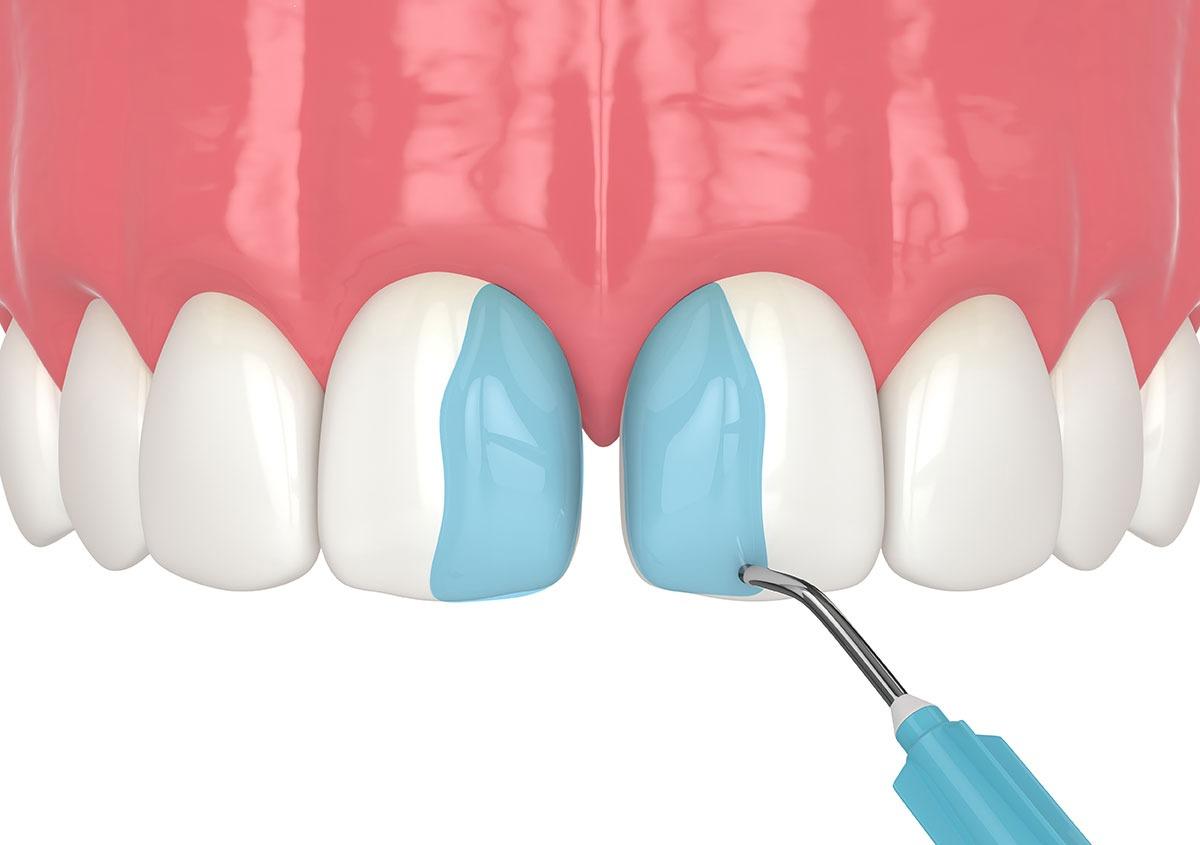
Stress is the body’s natural reaction to perceived challenges, threats, or demands. It triggers the release of hormones such as cortisol and adrenaline, preparing the body for a “fight or flight” response. While short-term stress is normal and sometimes beneficial, chronic stress can harm multiple systems, including oral health. Dental professionals observe that individuals under prolonged stress often experience bruxism (teeth grinding), TMJ disorders, and gum inflammation. Stress can indirectly lead to tooth pain by altering behaviors like oral hygiene habits or dietary choices. Recognizing these connections is the first step toward prevention and management.
How Stress Affects the Body and Oral Health
Stress influences the body both physiologically and behaviorally, creating a perfect storm for oral health problems. Physiologically, stress weakens the immune system, increases inflammation, and reduces saliva production, each of which has consequences for teeth and gums. Behaviorally, stressed individuals may neglect oral hygiene, consume more sugary foods, or engage in habits like smoking or chewing, further compromising dental health. Reduced immune function makes the mouth more susceptible to infections, while inflammation can worsen existing gum problems. Dry mouth resulting from stress deprives the mouth of natural protective mechanisms, increasing the risk of cavities and gum disease. Overall, stress can create conditions that accelerate oral health decline over time.
Stress and Tooth Pain
Tooth pain linked to stress is usually indirect but can be severe and persistent. Stress often manifests in habits such as teeth grinding, clenching, or biting, which place excessive pressure on teeth. This can wear down enamel, expose dentin, and result in sensitivity to temperature or pressure. Stress-related jaw tension can lead to headaches and TMJ discomfort, compounding the pain in teeth and surrounding muscles. Even minor enamel cracks caused by grinding can become painful over time, especially when chewing hard foods. Understanding how stress contributes to tooth pain is essential for both prevention and treatment.
1. Teeth Grinding and Clenching (Bruxism)
Bruxism is one of the most common ways stress affects teeth. People often grind or clench their teeth unconsciously during sleep or periods of tension. The result is enamel erosion, tooth fractures, and increased sensitivity. Over time, grinding can change the shape of the teeth, leading to bite problems and jaw misalignment. Chronic bruxism can also cause severe jaw muscle fatigue, tension headaches, and facial pain. Preventive measures such as night guards can significantly reduce damage and alleviate symptoms.
2. Temporomandibular Joint Disorders (TMJ)
Stress can exacerbate temporomandibular joint disorders, which affect the hinge connecting the jaw to the skull. Muscle tension caused by stress often leads to jaw pain, clicking, or popping sounds during movement. TMJ disorders can also trigger headaches, earaches, and difficulty chewing or speaking. Over time, untreated TMJ problems may contribute to misaligned teeth and chronic facial pain. Stress management techniques can reduce muscle tension and prevent worsening of TMJ symptoms. Early intervention is key to avoiding long-term joint damage.
3. Tooth Sensitivity
Stress-related behaviors such as aggressive brushing, nail-biting, or chewing pens can erode enamel and expose sensitive dentin. This results in sharp pain or discomfort when consuming hot, cold, or sweet foods. Tooth sensitivity can also arise from stress-induced gum recession, which exposes tooth roots. Chronic sensitivity can impact quality of life, making eating and drinking uncomfortable. Dental treatments, including desensitizing toothpaste, fluoride applications, or protective restorations, can help alleviate discomfort. Stress reduction techniques further prevent recurring sensitivity caused by behavioral habits.
Stress and Gum Problems
Gum health is particularly susceptible to stress due to immune suppression, inflammation, and behavioral factors. Stress can aggravate gum disease, reduce the ability to fight infections, and lead to poor oral hygiene habits. Individuals under stress may experience bleeding, swelling, or receding gums, all of which can progress to more severe conditions. Chronic stress-related gum problems can also affect overall health, as periodontal disease is linked to heart disease, diabetes, and other systemic conditions. Awareness and early intervention are crucial for maintaining healthy gums under stress.
1. Gingivitis
Gingivitis is the early stage of gum disease, characterized by inflammation, redness, and bleeding. Stress weakens the immune system, allowing harmful bacteria in the mouth to proliferate. Elevated cortisol levels increase inflammation, worsening gum swelling and discomfort. Stressed individuals may also skip brushing or flossing, exacerbating plaque buildup. If not addressed, gingivitis can progress to periodontitis, causing more severe gum and bone damage. Regular dental check-ups and proper oral hygiene are essential to prevent stress-related gingivitis.
2. Periodontitis
Periodontitis is a severe gum disease that affects the bone and tissue supporting the teeth. Chronic stress accelerates the progression from gingivitis to periodontitis by increasing inflammation and reducing the body’s ability to fight infection. Symptoms include gum recession, tooth mobility, and deep periodontal pockets. Untreated periodontitis can result in tooth loss and significant oral discomfort. Stress management, combined with professional dental care, helps prevent disease progression. Regular cleanings and scaling are also critical for maintaining healthy gums.
3. Dry Mouth and Gum Irritation
Stress can reduce saliva production, resulting in dry mouth (xerostomia), which makes gums more vulnerable to irritation and infection. Saliva is essential for neutralizing acids, washing away food particles, and protecting gums from bacteria. Without sufficient saliva, gums become inflamed, sensitive, and more prone to bleeding. Dry mouth can also increase the risk of cavities and fungal infections in the mouth. Staying hydrated and using saliva-stimulating products can help alleviate stress-induced dry mouth and gum irritation.
Mechanisms Linking Stress to Oral Health Issues
Stress affects oral health through a combination of hormonal, behavioral, and muscular mechanisms. Understanding these pathways helps explain why dental problems often worsen during periods of chronic stress.
1. Hormonal Pathways
Cortisol, the primary stress hormone, suppresses immune system activity, allowing bacteria to thrive in the mouth. It also increases inflammatory responses, worsening gum disease and oral tissue sensitivity. Stress hormones slow healing in oral tissues, making recovery from dental procedures slower. Chronic elevation of cortisol can contribute to systemic inflammation, further impacting gum and tooth health. Hormonal changes also influence saliva production, exacerbating dry mouth and decay. Monitoring stress and managing cortisol levels can prevent these oral health consequences.
2. Behavioral Factors
Stress can lead to habits that indirectly harm oral health, such as neglecting brushing or flossing, consuming sugary foods, smoking, or excessive alcohol intake. These behaviors promote bacterial growth, plaque buildup, and enamel erosion. Stress may also increase unconscious behaviors like teeth grinding or biting objects. Over time, these actions compound, leading to cavities, sensitivity, and gum disease. Awareness of stress-related behaviors is essential for implementing preventive strategies.
3. Muscle Tension
Stress increases tension in facial and jaw muscles, leading to discomfort, TMJ disorders, and headaches. Continuous jaw clenching strains muscles and joints, contributing to tooth wear and misalignment. Muscle tension also exacerbates bruxism, further damaging teeth. Relaxation techniques can reduce muscle tightness and prevent related oral health problems. Treating muscle tension early minimizes long-term jaw and dental complications.
Symptoms of Stress-Related Oral Health Issues
Recognizing stress-related oral problems allows for early intervention. Common symptoms include jaw pain, tooth sensitivity, headaches, and gum bleeding. Dry mouth, enamel wear, and facial discomfort are also frequent signs. Behavioral indicators, such as grinding teeth or biting nails, may signal underlying stress. Identifying these symptoms early ensures timely professional care and stress management strategies. Monitoring oral health alongside stress levels can prevent severe dental issues.
Diagnosing Stress-Related Tooth and Gum Problems
Dentists diagnose stress-related dental issues through physical examinations, patient history, and diagnostic tools. Oral examinations reveal enamel wear, gum inflammation, and fractures. X-rays detect hidden damage, such as bone loss or cracked teeth. Patient history highlights stress levels, nighttime grinding, or poor oral hygiene habits. In some cases, dentists may refer patients to specialists like TMJ experts or psychologists. Accurate diagnosis is essential for targeted treatment and prevention.

Prevention and Management Strategies
Preventing stress-related dental problems requires combining stress management with proactive oral care. Maintaining consistent oral hygiene, including brushing, flossing, and regular dental visits, is essential. Stress reduction techniques like meditation, exercise, and therapy help minimize behavioral and physiological triggers. Protective devices, lifestyle adjustments, and professional dental treatments further prevent damage. A holistic approach ensures long-term oral health even during periods of chronic stress.
1. Stress Management Techniques
Meditation, mindfulness, yoga, and deep breathing exercises reduce cortisol levels and promote relaxation. Regular physical activity alleviates tension in jaw muscles and improves mental well-being. Counseling or therapy helps address chronic stress, anxiety, and coping strategies. Relaxation techniques minimize unconscious behaviors like teeth grinding. Developing healthy stress management routines protects both oral and overall health.
2. Oral Hygiene Practices
Consistent brushing with fluoride toothpaste, daily flossing, and antiseptic mouthwash help prevent plaque buildup and gum inflammation. Regular dental check-ups allow for early detection of enamel wear, gum disease, or TMJ issues. Using proper brushing techniques prevents additional stress-related damage. Adhering to hygiene routines can counteract behavioral effects of stress. Oral care habits directly reduce the risk of cavities, sensitivity, and gum disease.
3. Protective Devices
Night guards or custom-fitted mouthguards prevent teeth grinding and reduce jaw tension. Orthodontic appliances may help correct misalignment caused by stress-related habits. Protective devices reduce enamel erosion and alleviate TMJ strain. Using these tools consistently prevents long-term dental damage. Dentists can recommend appropriate devices based on individual stress patterns and oral conditions.
4. Lifestyle Adjustments
Avoiding smoking, reducing alcohol, and minimizing caffeine intake can lower stress-related oral risks. A nutrient-rich diet strengthens teeth and gums, providing essential minerals like calcium and vitamins. Adequate hydration helps combat dry mouth and bacterial growth. Limiting sugary and acidic foods prevents additional enamel erosion. Healthy lifestyle choices complement stress management for better oral health.
5. Professional Dental Treatments
Dental cleanings, scaling, and polishing remove plaque and tartar, preventing gum disease progression. TMJ therapy and exercises relieve jaw pain and improve joint function. Restorative treatments like crowns, veneers, or fillings repair damage caused by grinding. Professional intervention addresses both symptoms and causes of stress-related oral issues. Collaboration with dental professionals ensures long-term oral health preservation.
When to See a Dentist
Early intervention prevents minor stress-related oral issues from becoming severe. Persistent tooth pain, jaw discomfort, bleeding gums, or dry mouth are warning signs. Regular check-ups allow dentists to monitor enamel wear, gum recession, and signs of TMJ disorders. Immediate professional care ensures proper treatment before irreversible damage occurs. Delaying dental visits may lead to more complex procedures or tooth loss. Consulting a dentist promptly protects both oral and overall health.
The Connection Between Mental and Oral Health
Mental and oral health are closely intertwined. Chronic stress, anxiety, or depression can worsen gum disease, teeth grinding, and oral infections. Conversely, oral health issues can amplify stress and reduce quality of life. Addressing mental well-being alongside dental care creates a positive feedback loop for overall health. Patients benefit from integrated strategies targeting both psychological and oral factors. This holistic approach ensures long-term oral and mental wellness.
Case Studies and Research Findings
Research demonstrates clear links between stress and oral health. Studies show high-stress individuals are more likely to experience bruxism, TMJ disorders, and gum disease. Clinical findings indicate that stress-induced hormonal changes increase inflammation and suppress immunity, accelerating oral disease progression. Stress can also trigger oral ulcers or exacerbate preexisting conditions. These findings emphasize the need for awareness, early intervention, and preventive care. Evidence supports integrating stress management with oral health strategies.
Conclusion
Stress has profound implications for oral health, contributing to tooth pain, gum disease, bruxism, and TMJ disorders. Chronic stress exacerbates these conditions through hormonal, behavioral, and muscular pathways. Recognizing symptoms, maintaining oral hygiene, and implementing stress management techniques are essential for prevention. Dental professionals play a critical role in diagnosing, treating, and guiding patients through stress-related oral issues. Addressing both mental and oral health ensures a healthier, pain-free life and preserves long-term dental function.
FAQs
Can stress cause toothaches even without cavities?
Yes, teeth grinding and jaw tension due to stress can cause tooth pain without any decay.
How does stress contribute to gum disease?
Stress weakens immunity, increases inflammation, and can lead to poor oral hygiene, worsening gum health.
Can a mouthguard prevent stress-related dental problems?
Yes, night guards protect teeth from grinding, reduce enamel wear, and alleviate jaw pain.
Is dry mouth caused by stress harmful to teeth?
Yes, reduced saliva increases the risk of cavities, gum irritation, and bacterial growth.
Can stress management improve oral health?
Absolutely, mindfulness, therapy, and exercise reduce bruxism, gum inflammation, and oral discomfort.