Understanding Dental Veneers
Cosmetic dentistry has transformed smiles worldwide, and dental veneers stand at the forefront of this revolution. Porcelain veneers and composite veneers dominate the conversation, each offering distinct advantages. Making the right choice ensures that your smile not only looks stunning but also lasts for years. Understanding the differences allows you to make a decision that suits your lifestyle, budget, and dental health.
Porcelain Veneers: A Premium Smile Solution
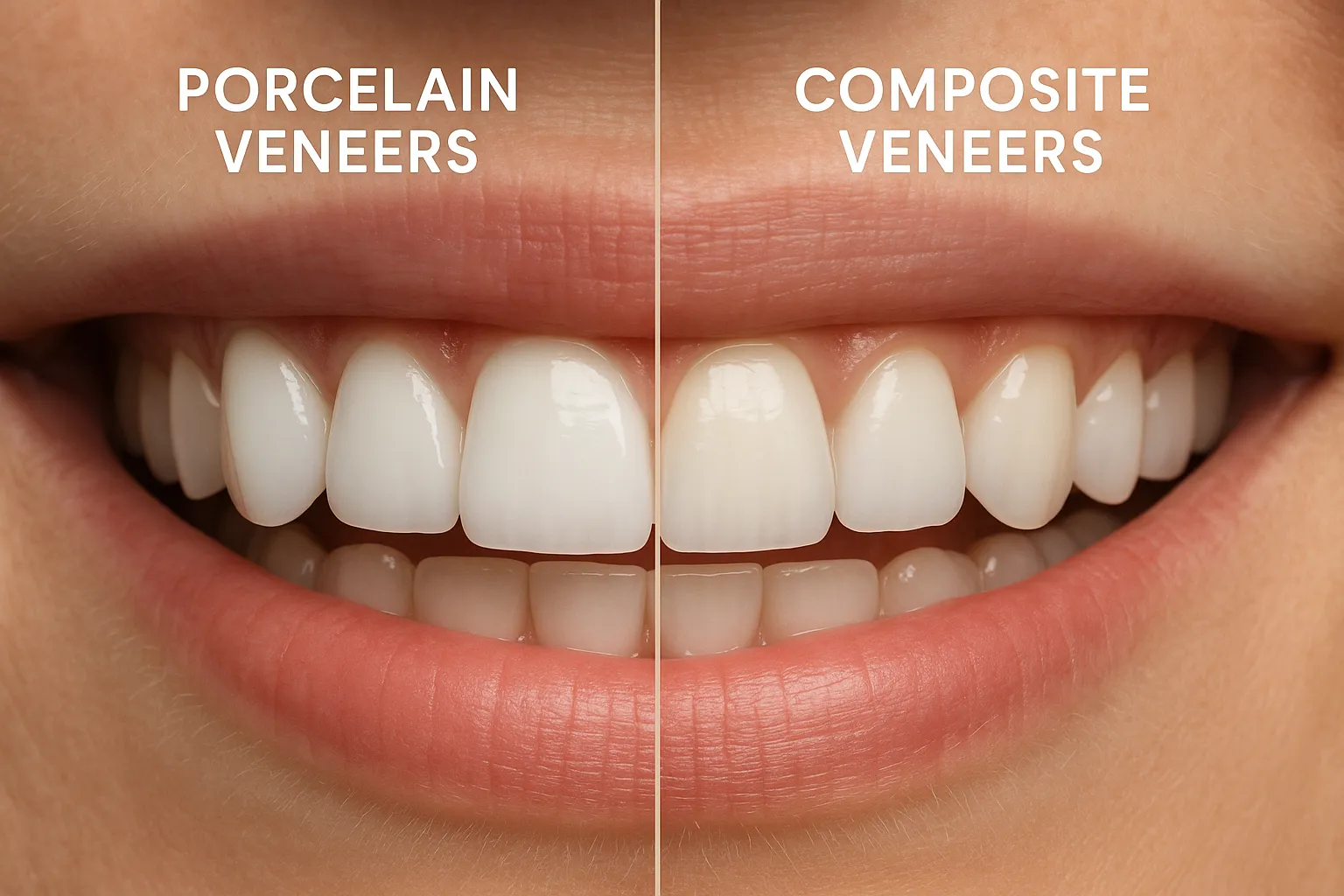
Porcelain veneers are renowned for their natural appearance and durability. Crafted from high-quality ceramic, they mimic the translucency of natural enamel, creating a lifelike finish that catches the light beautifully. This material resists staining and maintains its shine for years, making porcelain veneers an excellent choice for patients seeking a long-term investment in their smile. Their reflective qualities give teeth a bright, natural glow that is difficult to replicate with other materials.
Composite Veneers: Affordable and Flexible
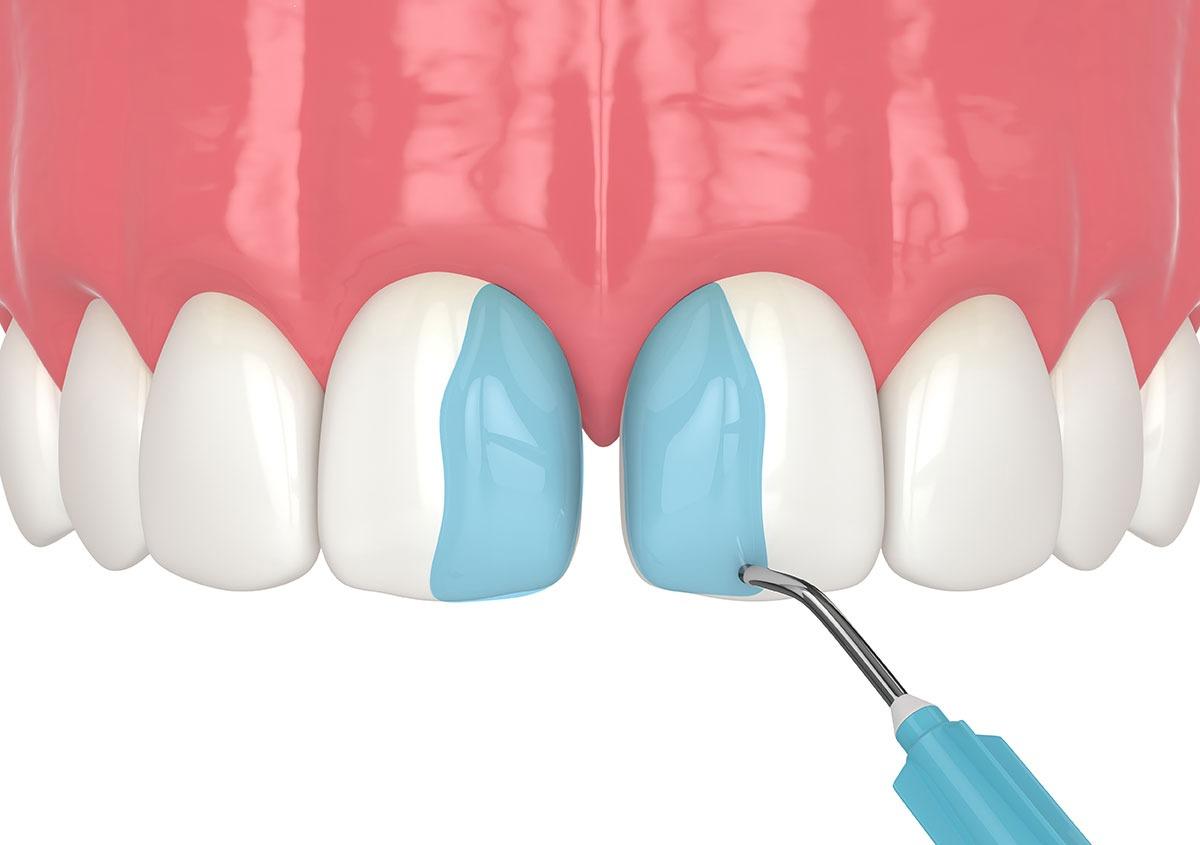
Composite veneers, by contrast, offer versatility and convenience. Dentists apply composite resin directly to the tooth surface, shaping and polishing it to achieve a customized look. The process is less invasive than porcelain veneers, often requiring minimal removal of natural enamel. Many patients prefer composite veneers because they can complete treatment in a single visit and adjust minor imperfections over time. This makes composite veneers ideal for younger patients or anyone seeking a quick cosmetic improvement.
Longevity and Durability
Longevity distinguishes these two options. Porcelain veneers can last 15–20 years with proper care, maintaining both color and strength. They resist coffee, tea, and red wine stains, keeping smiles vibrant for decades. Composite veneers usually last 5–7 years and are more prone to chipping and discoloration, requiring more frequent touch-ups. Understanding lifespan helps align your expectations with your desired investment and long-term smile goals.
Cost Considerations
Cost often influences choice. Porcelain veneers are more expensive due to the quality of the material and lab work required to craft them. Composite veneers are more budget-friendly, allowing patients to improve their smile without a significant financial burden. Although they require more maintenance, their affordability makes them a practical option for those seeking cosmetic improvements. For guidance on broader cosmetic treatments, you can explore how a smile makeover works and whether it might complement your veneers.
Preparation and Procedure
Preparation for each type differs. Porcelain veneers require some enamel removal to ensure proper fit and adhesion. This makes it essential to consult with a qualified dentist before proceeding. Composite veneers are more conservative, often needing little or no enamel reduction. This can appeal to patients who prefer to preserve as much natural tooth structure as possible. Dentists may combine composite veneers with treatments such as composite bonding for minor shape or alignment corrections.
Aesthetic Differences
Aesthetically, both options can create stunning results, but porcelain veneers excel in uniformity and translucency, making them ideal for major smile transformations. Composite veneers provide excellent results for moderate corrections and allow for adjustments over time. Patients seeking a dramatic change often choose porcelain veneers, while those seeking subtle enhancements may find composite veneers sufficient. For patients considering other cosmetic options alongside veneers, teeth whitening can complement either treatment for a brighter smile.
Maintenance and Care
Daily habits affect veneer longevity. Porcelain veneers resist normal wear and tear, though avoiding hard foods protects their integrity. Composite veneers require more care to prevent chipping, especially when consuming hard or crunchy foods. Patients who grind their teeth may require night guards, regardless of veneer type, to safeguard their investment. For broader dental health, incorporating regular dental check-ups ensures both veneers and natural teeth remain healthy over time.
Routine Cleaning and Professional Care
Both types of veneers require diligent oral hygiene, including brushing twice daily and flossing. Porcelain veneers resist staining and maintain their appearance with routine care, while composite veneers may need occasional polishing. Regular professional cleanings prolong the life of veneers and detect early issues. Patients who combine veneers with preventive dentistry enjoy both aesthetic and functional benefits for a healthy smile.
Repair and Flexibility
Porcelain veneers, while highly durable, are difficult to repair if damaged and usually require replacement. Composite veneers allow for easier, cost-effective repairs, making them appealing for patients who anticipate small future adjustments. Deciding between the two often involves weighing the value of long-term durability versus repair flexibility.
Making the Right Choice
Ultimately, patient lifestyle, goals, and budget determine the best choice. Porcelain veneers suit those seeking a premium, long-lasting solution, while composite veneers appeal to patients seeking a faster, less invasive, and cost-effective improvement. Consulting with an experienced cosmetic dentist ensures that your veneers align with your aesthetic goals and oral health needs.
Advanced Technology in Veneer Dentistry
Advancements in dental technology enhance both types of veneers. Digital smile design allows dentists to simulate outcomes, helping patients visualize the final results before committing. Modern materials improve strength, longevity, and natural appearance, ensuring both porcelain and composite veneers meet contemporary cosmetic dentistry standards. Patients can confidently choose veneers knowing that cutting-edge techniques support predictable, beautiful results.
Conclusion
Porcelain and composite veneers offer remarkable ways to transform your smile, each with distinct advantages. Porcelain veneers deliver unmatched realism and long-term durability, ideal for full smile makeovers. Composite veneers offer flexibility, affordability, and minimal invasiveness for those seeking moderate corrections or quick improvements. Evaluating your goals, consulting a skilled dentist, and considering complementary cosmetic treatments like white fillings or clear aligners ensures you achieve a smile that is both beautiful and functional for years to come.