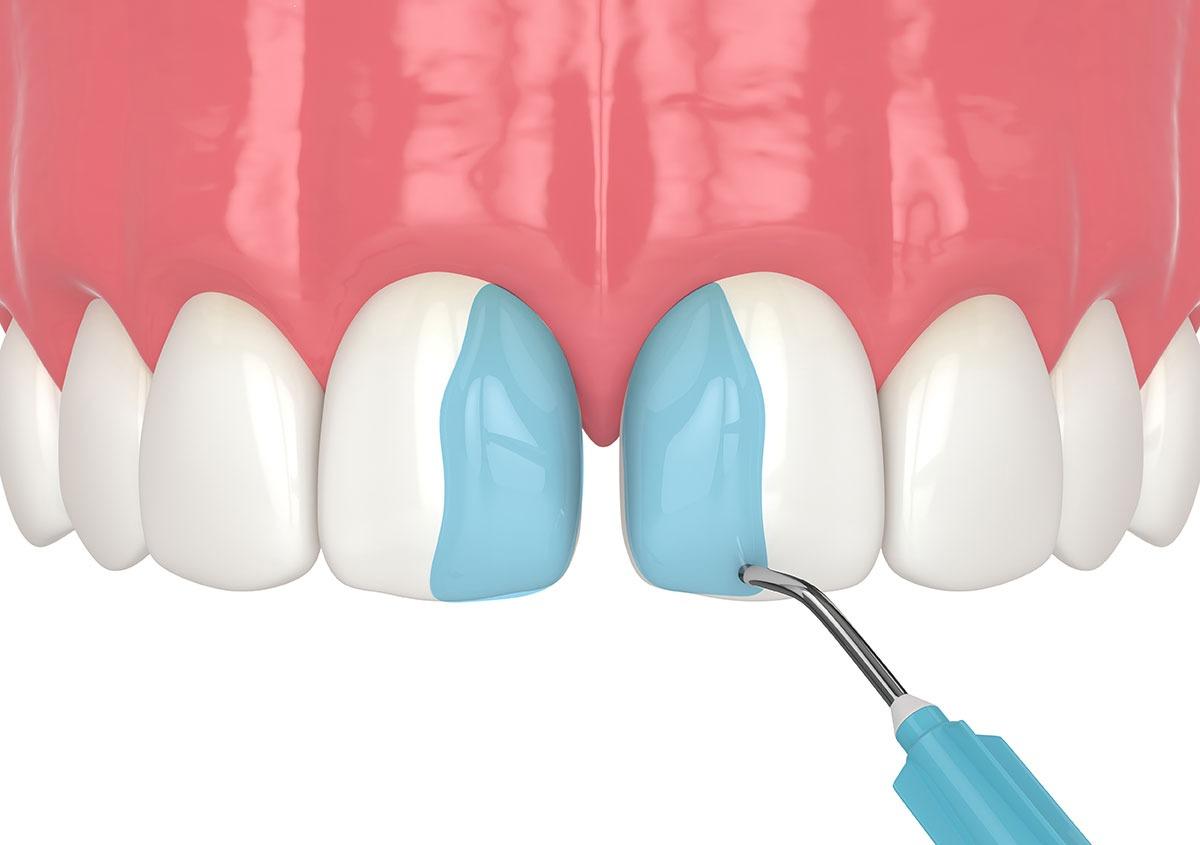
Tooth sensitivity can make everyday foods and drinks uncomfortable. Cold water, hot drinks, sweet foods or even brushing can sometimes cause a sudden, sharp pain.
Choosing the right toothpaste can help manage sensitivity, but different products work in different ways. In this guide, we tested and compared popular toothpastes for sensitive teeth, looking at their active ingredients, fluoride content, intended benefits and suitability for different sensitivity needs.
Quick Answer: What Is the Best Toothpaste for Sensitive Teeth?
There is no single toothpaste that is best for everyone with sensitive teeth. The right choice depends on what triggers your sensitivity and whether you also need support for enamel protection, gum care, or everyday cavity prevention.
| Toothpaste | Best suited for | Key feature |
|---|---|---|
| Sensodyne Pronamel Intensive Enamel Repair | Sensitivity with enamel-wear concerns | Potassium nitrate + fluoride |
| Colgate Sensitive Pro-Relief | Dentine sensitivity | Arginine-based formula |
| Crest Gum & Sensitivity | Sensitivity with gum-care concerns | Stannous fluoride |
| Tom’s of Maine Sensitive | People considering a natural-style option | Check exact formulation |
| CloSYS Sensitive | People looking for a low-foaming formula | Check fluoride level |
Product formulations can change, so check the current packaging before purchasing.
How We Tested These Toothpastes
We tested the toothpastes featured in this guide to compare their suitability for people experiencing sensitive teeth.
Our comparison considered factors including:
- Active ingredients
- Fluoride content
- Intended benefits
- Suitability for different sensitivity needs
- Ease of use
- Current product information
We also considered current UK oral-health guidance when assessing fluoride content and everyday use.
What Causes Tooth Sensitivity?
Tooth sensitivity, also known as dentine hypersensitivity, can occur when the protective structures covering a tooth no longer fully protect the underlying dentine.
Exposed dentine can respond to triggers such as cold, heat, sweet foods and acidic drinks.
Common factors associated with sensitivity include:
- Gum recession
- Enamel wear or acid erosion
- Aggressive brushing
- Tooth wear
- Cracked or damaged teeth
- Tooth decay
- Recent dental treatment
- Gum problems
Sensitivity does not always mean you simply need a different toothpaste. If pain persists, becomes worse, or affects one particular tooth, a dental check-up can help identify the underlying cause.
How Does Toothpaste for Sensitive Teeth Work?
Sensitive toothpastes contain active ingredients designed to help reduce discomfort associated with exposed dentine.
Different formulations use different approaches. Some ingredients help reduce sensitivity by affecting exposed dentine pathways, while others are designed to reduce the response associated with sensitivity.
Common ingredients found in sensitivity products include potassium nitrate, arginine and stannous fluoride.
For everyday oral health, fluoride is also important. UK guidance recommends that adults brush at least twice daily with toothpaste containing 1,350–1,500 ppm fluoride. After brushing, adults should spit out the excess toothpaste rather than rinsing with water.
—
Which Ingredients Help With Sensitive Teeth?
Potassium Nitrate
Potassium nitrate is used in some sensitivity toothpastes to help reduce the nerve response associated with sensitivity.
Best suited for: People looking for an established ingredient used in sensitivity formulations.
Arginine
Arginine is used in some sensitivity formulations designed to help reduce sensitivity by acting on exposed dentine.
Best suited for: People looking for an arginine-based sensitivity toothpaste.
Stannous Fluoride
Stannous fluoride is a fluoride compound used in some toothpastes designed to provide sensitivity protection alongside broader oral-health benefits.
Best suited for: People looking for sensitivity care combined with gum or general oral-health benefits.
Hydroxyapatite
Hydroxyapatite is a mineral related to the natural mineral structure of teeth and is increasingly used in toothpaste formulations focused on enamel and sensitivity.
Some formulations are designed to help deposit mineral at the tooth surface and reduce exposed dentine pathways.
Best suited for: People interested in enamel-focused or alternative sensitivity formulations.
The presence of an ingredient alone does not mean that every product containing it will perform identically. The complete formulation and evidence behind the product still matter.
—
What Should You Look for in a Toothpaste for Sensitive Teeth?
1. Fluoride concentration
For adults in the UK, standard guidance recommends toothpaste containing 1,350–1,500 ppm fluoride. Fluoride helps prevent and control tooth decay.
2. The active ingredient
Look at the actual sensitivity ingredient rather than choosing a product simply because the packaging says “sensitive”, “repair” or “natural”.
3. Your sensitivity triggers
Consider when your sensitivity happens. Cold drinks, hot foods, sweets, acidic foods and brushing can all trigger sensitivity.
4. Your wider oral-health needs
Sensitivity may occur alongside enamel wear, gum recession, plaque build-up or tooth decay. Your toothpaste should fit your overall oral-health needs rather than sensitivity alone.
5. The current formulation
The same product name can have different formulations in different markets, and manufacturers can change ingredients over time. Always check the current packaging.
Best Toothpastes for Sensitive Teeth
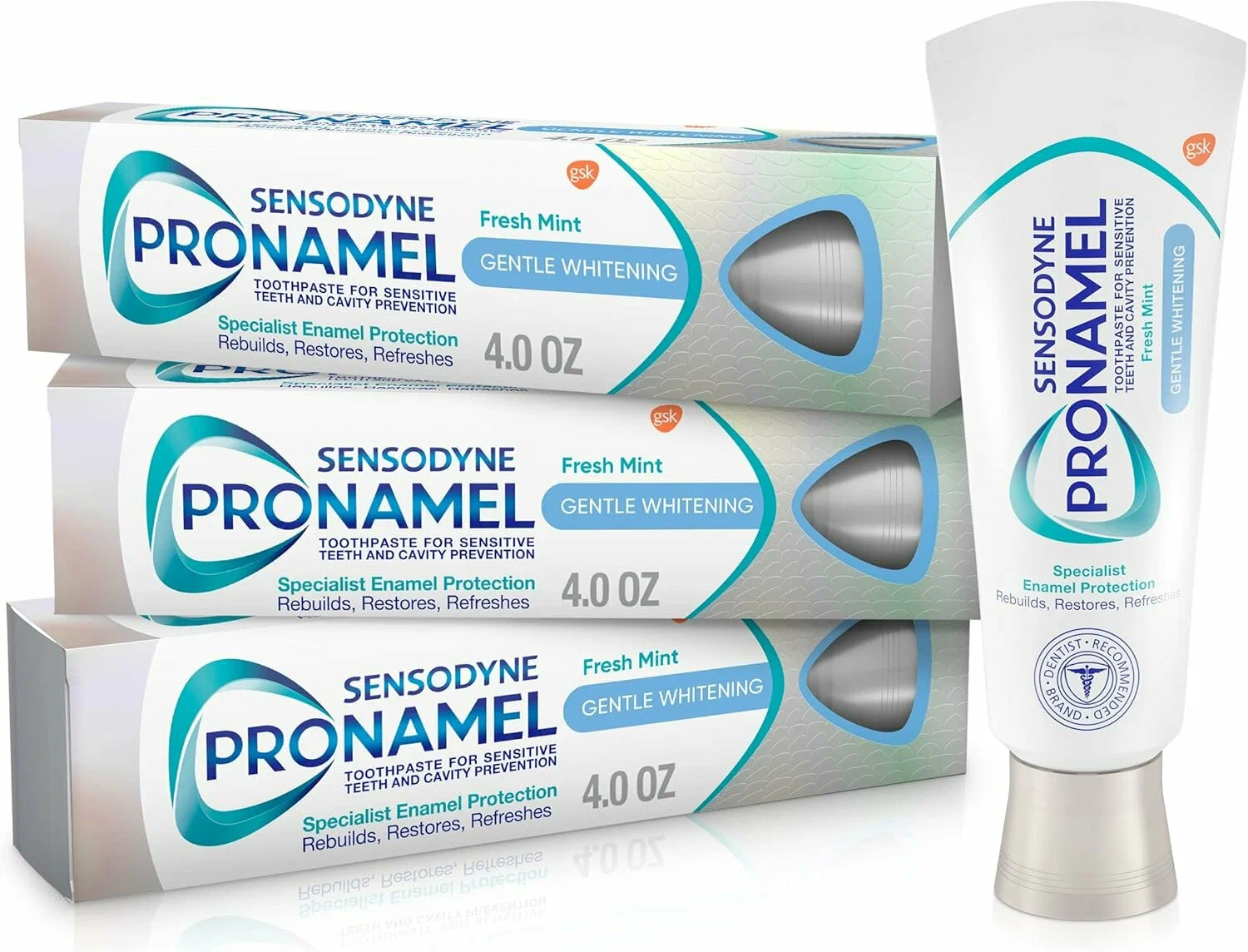
1. Sensodyne Pronamel Intensive Enamel Repair
Best for: Sensitivity with concerns about acid-related enamel wear.
Sensodyne Pronamel Intensive Enamel Repair contains potassium nitrate and fluoride. The manufacturer’s professional information describes the formulation as supporting remineralisation and helping protect enamel against acid-related wear. The referenced formulation contains 1,450 ppm fluoride.
Why we included it:
- Designed for sensitivity and enamel care
- Contains potassium nitrate
- 1,450 ppm fluoride in the referenced formulation
- Designed to support remineralisation of acid-weakened enamel
Our verdict: A useful option when sensitivity occurs alongside concerns about acid-related enamel wear.
2. Colgate Sensitive Pro-Relief
Best for: People looking for an arginine-based sensitivity toothpaste.
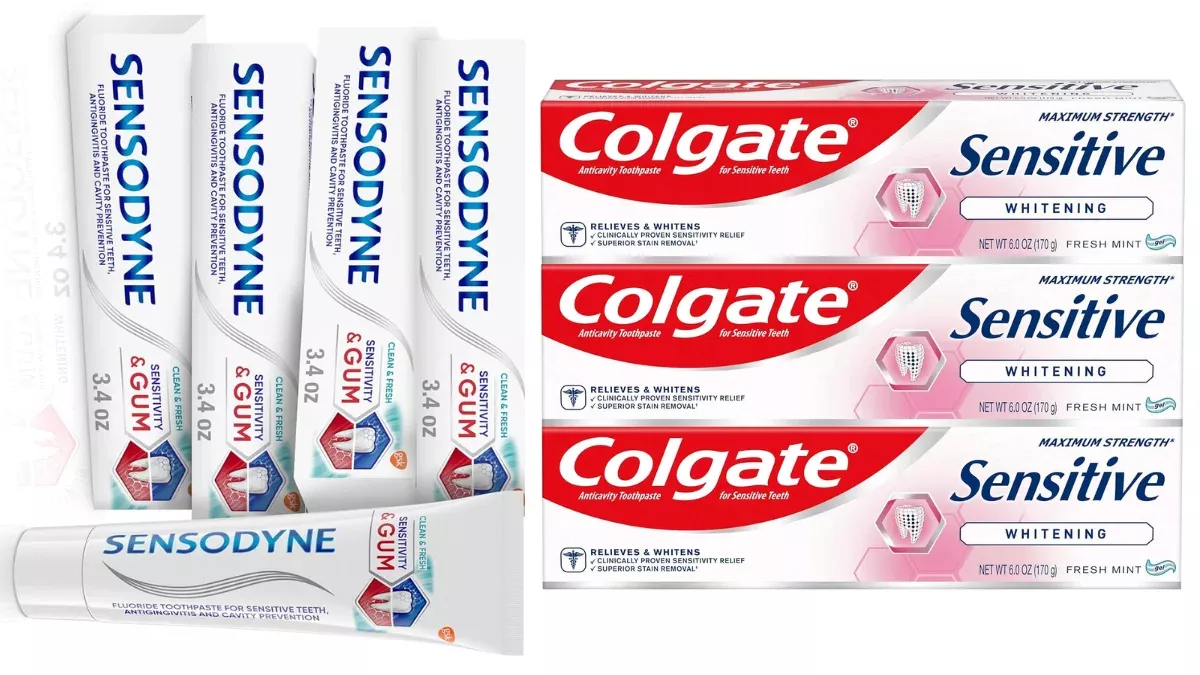
Colgate Sensitive Pro-Relief uses an arginine-based formulation designed to help manage dentine hypersensitivity. Published professional information describes formulations using arginine and fluoride, with clinical evidence relating to dentine hypersensitivity.
Why we included it:
- Specifically formulated for sensitive teeth
- Uses arginine-based sensitivity technology
- Designed for targeted sensitivity relief
- Has published clinical information relating to the formulation
Our verdict: A strong option for people specifically looking for an arginine-based sensitivity toothpaste.
3. Crest Gum & Sensitivity
Best for: Sensitivity combined with gum-care concerns.
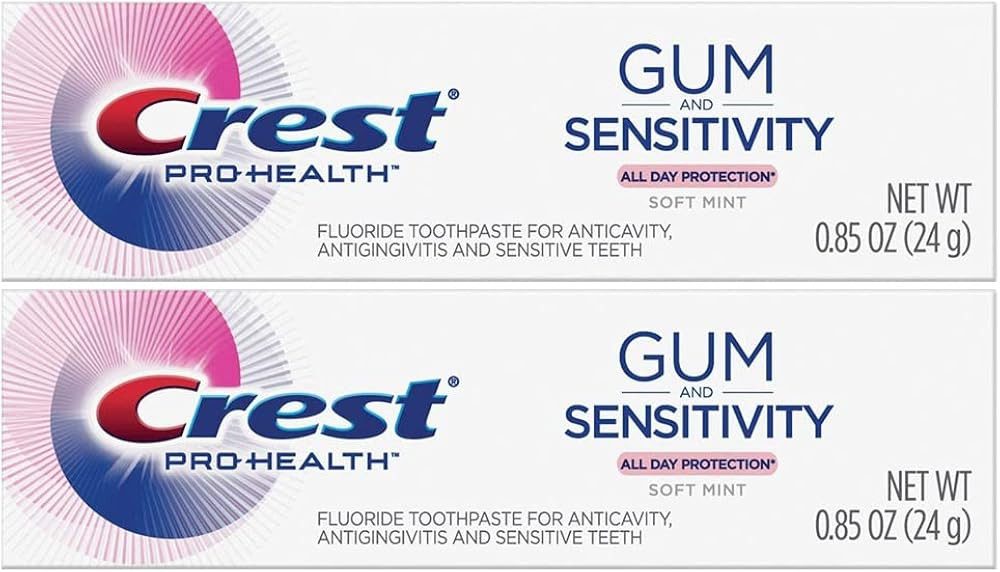
Crest Gum & Sensitivity uses a stannous-fluoride formulation and is marketed around sensitivity and gum-care benefits.
Why we included it:
- Combines sensitivity and gum-care positioning
- Uses stannous fluoride
- May suit people looking for both benefits in one toothpaste
What to know: Crest’s product information is primarily presented for the US market, so UK readers should check the current UK availability and formulation before purchasing.
Our verdict: Worth considering for its combined sensitivity and gum-care positioning, but UK availability should be checked first.
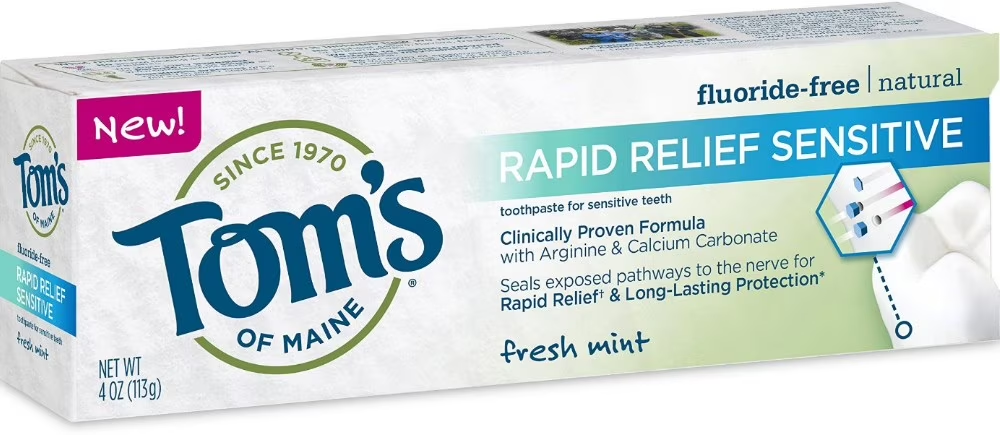
4. Tom’s of Maine Sensitive Toothpaste
Best for: People specifically interested in Tom’s of Maine sensitivity products.
Tom’s of Maine offers different sensitive-tooth formulations, so the exact product should be checked before comparing ingredients or fluoride content.
Some current formulations are fluoride-free. This is important because standard UK adult guidance recommends 1,350–1,500 ppm fluoride toothpaste for everyday protection against tooth decay.
Why we included it:
- Designed for sensitive teeth
- Some formulations use arginine and calcium carbonate
- Offers a natural-style option
Our verdict: Check the exact formulation and fluoride content before choosing it as your everyday toothpaste.
5. CloSYS Sensitive Toothpaste
Best for: People looking for a gentle, low-foaming formula.
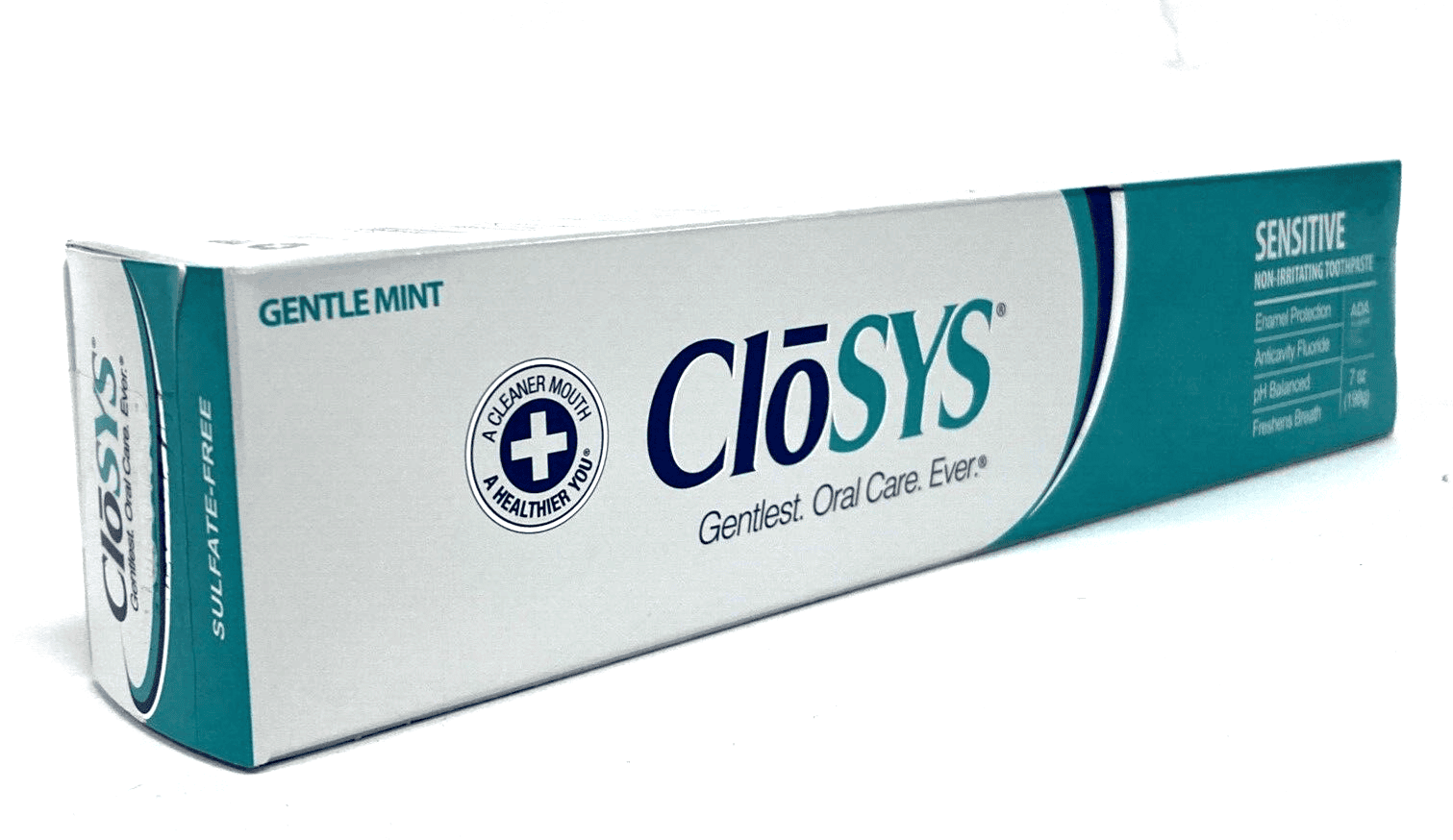
CloSYS Sensitive Toothpaste is marketed as a gentle, low-foaming toothpaste for sensitive teeth.
Why we included it:
- Designed for sensitive teeth
- Low-foaming formulation
- SLS-free according to the manufacturer
- Contains fluoride
What to know: The current formulation information lists approximately **1,300 ppm fluoride ion**, which is below the 1,350–1,500 ppm range used in standard UK adult guidance. UK readers should also check current availability and formulation.
Our verdict: Its gentle formulation may appeal to some users, but fluoride concentration and UK availability should be considered.
Which Toothpaste Should You Choose?
For everyday sensitivity: Choose a toothpaste specifically formulated for dentine sensitivity and check its active ingredient.
For sensitivity with enamel-wear concerns: Consider a product that also focuses on enamel protection and remineralisation.
For sensitivity with gum concerns: Look for a product designed for sensitivity and gum care. Persistent bleeding, recession or gum discomfort should be professionally assessed.
For a natural-style option: Check the actual ingredients and fluoride content rather than choosing based only on the word “natural”.
If you don’t know why your teeth are sensitive: Don’t keep changing toothpaste indefinitely. Persistent sensitivity may have an underlying dental cause.
How to Use Sensitive Toothpaste Effectively
To get the most from your toothpaste:
- Brush at least twice a day.
- Use an appropriate fluoride toothpaste.
- Brush gently rather than applying excessive pressure.
- Pay attention to the gum line without aggressive scrubbing.
- Spit out after brushing rather than immediately rinsing with water.
- Follow the manufacturer’s instructions for your specific product.
Many sensitivity toothpastes require consistent use rather than a single application to provide their intended benefits. If symptoms persist or worsen, arrange a dental assessment.
What Should You Avoid If You Have Sensitive Teeth?
If your teeth are sensitive, avoid habits that can make the problem worse.
- Don’t brush aggressively.
- Don’t repeatedly expose your teeth to acidic foods and drinks throughout the day.
- Don’t assume that “natural” automatically means better.
- Avoid relying on whitening products if they consistently increase your sensitivity.
- Don’t ignore persistent sensitivity or pain affecting one particular tooth.
If sensitivity continues, changing toothpaste repeatedly may not solve the underlying problem.
Tips to Reduce Tooth Sensitivity Beyond Toothpaste
Toothpaste is only one part of managing sensitive teeth.
Use a gentle brushing technique and reduce frequent exposure to acidic foods and drinks.
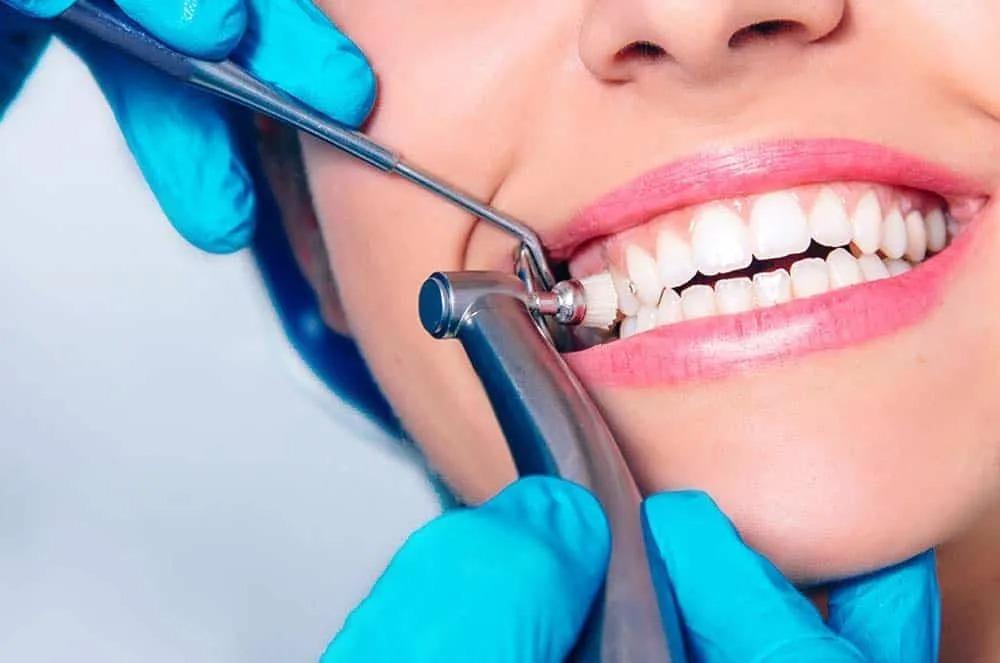
If you have plaque, tartar or gum-health concerns, a dental hygienist can provide professional cleaning and support your oral-hygiene routine.
When Should You See a Dentist About Tooth Sensitivity?
Sensitivity should be assessed if:
- The pain is getting worse
- Pain continues after the trigger has gone
- Only one tooth is affected
- You have a chipped or cracked tooth
- You suspect tooth decay
- Your gums are receding or bleeding
- Sensitivity started after dental treatment and is not improving
- Changing toothpaste has not helped
- You experience pain without an obvious trigger
A sensitivity toothpaste can help manage symptoms, but it cannot treat every possible cause of tooth pain.
If you are concerned about persistent sensitivity, arrange a dental check-up to help identify the underlying problem.
Sources & Evidence
This guide uses current UK oral-health guidance and manufacturer product information when discussing fluoride concentrations, toothpaste formulations and product-specific claims.
Key sources include:
- GOV.UK — Delivering Better Oral Health
- Haleon HealthPartner — Sensodyne Pronamel product information
- Colgate Professional — Sensitive Pro-Relief product information
- Current manufacturer information for the other featured products
Product formulations can change, so always check the current packaging and manufacturer information before purchasing.
Frequently Asked Questions
What ingredient is best for sensitive teeth?
There is no single ingredient that is best for everyone. Different sensitivity toothpastes use different active ingredients and technologies, so the appropriate choice depends on the cause and pattern of your sensitivity.
Should sensitive toothpaste contain fluoride?
For everyday adult oral care in the UK, standard guidance recommends toothpaste containing 1,350–1,500 ppm fluoride to help prevent tooth decay.
Can sensitive toothpaste repair enamel?
Some formulations are designed to support remineralisation of early acid-weakened enamel and help protect against further acid-related wear. This does not mean that permanently lost enamel grows back.
Can I use sensitive toothpaste every day?
Many sensitivity toothpastes are designed for regular use. Follow the instructions on the specific product and choose a formulation appropriate for your oral-health needs.
How long does sensitive toothpaste take to work?
The time varies depending on the product, the cause of sensitivity and how consistently it is used. Follow the product instructions and seek professional advice if symptoms continue or worsen.
What if sensitive toothpaste does not improve my symptoms?
If sensitivity persists, becomes worse or affects one particular tooth, changing toothpaste may not solve the problem. A dental examination can help identify possible causes such as decay, cracks, gum recession or tooth wear.