Wisdom teeth are the final set of molars that typically appear between the ages of 17 and 25, often causing discomfort due to lack of space in the jaw. Many individuals experience pain, swelling, or infection when these teeth emerge incorrectly. Identifying the signs early can help prevent long-term dental damage and severe complications. Delaying treatment may lead to gum disease, tooth decay, and even damage to nearby teeth. This article explains the clear indicators that wisdom teeth may need removal. Understanding these symptoms helps you take timely action and maintain your oral health.
What Are Wisdom Teeth and Why Do They Cause Problems?
The Role of Wisdom Teeth
Wisdom teeth were once useful for chewing tough foods our ancestors consumed. Over time, human jaws became smaller, leaving less space for these late-developing molars. As a result, they struggle to erupt normally and often become impacted. Impacted wisdom teeth remain stuck under the gum or bone, causing pressure and pain. Because they erupt last, they frequently disturb surrounding teeth or gums. Their limited usefulness makes removal common in modern dentistry.
Common Issues Caused by Wisdom Teeth
Wisdom teeth often grow misaligned or at odd angles, which leads to several complications. They may push against adjacent teeth, causing crowding or overlapping. Food and bacteria easily get trapped around partially erupted teeth, creating infections. Gum inflammation is also common because cleaning the area becomes difficult. Some wisdom teeth remain fully impacted, causing cysts or jawbone damage over time. These issues highlight why regular monitoring is necessary.
Why Modern Mouths Often Lack Space
Human evolution has resulted in smaller jaws due to changes in diet and lifestyle. Soft and processed foods require less chewing effort, reducing the need for large jaw structures. As a result, the extra molars that once helped with grinding food now lack proper space. When wisdom teeth erupt without enough room, they cause pain, swelling, or misalignment. This lack of space is the main reason many people experience complications. It also explains why early evaluation is strongly advised.
Most Common Signs You May Need Wisdom Teeth Removal
Persistent Jaw Pain or Pressure
A constant ache in the back of the jaw often suggests wisdom teeth are pushing against other structures. This pressure may worsen when chewing or opening your mouth widely. Impacted teeth can cause sharp flare-ups or dull, ongoing discomfort. Pain may spread to the ear or neck due to shared nerve pathways. Ignoring jaw pain can lead to further complications, including infections. Seeing a dentist early helps prevent worsening discomfort.
Swollen, Red, or Bleeding Gums
When wisdom teeth partially erupt, they create a flap of gum tissue that traps bacteria. This leads to swelling, redness, and tenderness in the surrounding area. The condition, known as pericoronitis, can cause significant discomfort while eating or brushing. Bleeding is common because the gums become inflamed and sensitive. Without treatment, the infection may spread deeper into the gums. Removing the wisdom tooth often resolves the issue permanently.
Frequent Headaches or Ear Pain
Wisdom teeth issues can cause pain that radiates to the head or ears. The pressure from impacted teeth often affects nearby nerves, creating tension headaches. Ear pain occurs even when there is no ear infection, confusing many patients. The discomfort may be constant or triggered by jaw movements. Over time, nerve irritation can worsen, causing chronic headaches. A dental exam helps identify the true source of the pain.
Crowding or Shifting of Teeth
As wisdom teeth erupt, they may push against other molars, forcing your front teeth to shift. Crowding is especially noticeable in people who previously had orthodontic treatment. This shifting can affect your bite, appearance, and oral hygiene. Overlapping teeth accumulate plaque faster, increasing the risk of decay. Removing problematic wisdom teeth can prevent long-term alignment issues. Orthodontists often recommend early removal to protect results.
Recurring Infections Around the Back Molars
Infections occur when food gets stuck around partially erupted wisdom teeth. Swelling, pus, and bad breath are common signs of infection. These infections may return repeatedly because cleaning the area is difficult. Each episode increases the risk of gum disease and jawbone damage. Antibiotics only provide temporary relief; removal is often the permanent solution. Early extraction prevents repeated pain and complications.
Difficulty Opening Your Mouth Fully
When wisdom teeth cause inflammation, the surrounding jaw muscles and tissues become irritated. This may limit how wide you can open your mouth, a condition known as trismus. Eating, talking, or even yawning can become painful. The restriction often worsens when infection is present. Over time, the muscles may stiffen, making movement increasingly difficult. Removal of the wisdom tooth helps restore normal jaw function.
Bad Breath or Unpleasant Taste in the Mouth
Food debris trapped around wisdom teeth leads to bacterial buildup. This creates persistent bad breath that does not improve with brushing or mouthwash. Pus or infection can also produce a foul taste in the mouth. Cleaning the area thoroughly is nearly impossible due to its position. The unpleasant odor usually indicates ongoing infection or decay. Tooth removal eliminates the source of the problem.
Sinus Issues Caused by Upper Wisdom Teeth
Upper wisdom teeth sit close to the sinus cavities and may cause pressure when erupting. This can lead to sinus pain, congestion, or headaches. Some patients experience post-nasal drip or pressure behind the eyes. In severe cases, the tooth roots may press directly into the sinus lining. These symptoms often disappear after extraction. Dentists use X-rays to confirm whether your teeth are affecting your sinuses.
Cysts or Damage Detected in Dental X-Rays
Impacted wisdom teeth sometimes develop fluid-filled cysts around them. These cysts can damage the jawbone, nerves, or nearby teeth if left untreated. X-rays often reveal problems long before symptoms appear. Early detection allows for simpler treatment and prevention of long-term harm. Some cysts may turn into tumors if ignored. Dentists use imaging to decide whether extraction is necessary.
What Happens If You Ignore These Signs?
Increased Risk of Infection
Ignoring wisdom tooth problems allows bacteria to multiply, leading to painful infections. Swollen gums, fever, and pus may follow if the infection becomes severe. Recurrent infections weaken the surrounding tissues over time. They also make future treatment more complex and uncomfortable. Delayed removal increases healing time. Addressing the issue early prevents ongoing discomfort and health risks.
Permanent Damage to Other Teeth
Wisdom teeth pushing against other molars can cause enamel damage or decay. Over time, the pressure may weaken the roots of nearby teeth. This can lead to sensitivity, fractures, or the need for root canal treatment. In severe cases, the damaged tooth may even require extraction. Removing wisdom teeth early prevents structural harm. Protecting your natural teeth should be a priority.
Gum Disease and Decay
Partially erupted wisdom teeth create deep pockets where bacteria thrive. This leads to gum infection, swelling, and chronic bad breath. Over time, gum disease spreads and affects surrounding teeth. The area may also develop cavities because it is hard to clean properly. Gum disease progresses quickly if untreated. Extraction eliminates these hidden risks.
Severe Pain and Complications
Leaving problematic wisdom teeth untreated usually results in worsening pain. As the teeth shift or infection grows, discomfort becomes constant. Swelling may spread to the jaw, neck, or cheeks. Some patients experience difficulty swallowing or breathing during severe flare-ups. Complications like abscesses require emergency dental treatment. Early removal prevents these dangerous outcomes.
More Complex Surgical Removal Later
Young adults heal faster and experience fewer complications after extraction. Delaying removal until later in life increases surgical difficulty. The roots grow deeper, and the bone becomes denser, making extraction more painful. Recovery time also becomes longer due to slower healing. Older patients face higher risks of nerve damage. Early assessment helps prevent complicated procedures.
When Is the Best Time to Remove Wisdom Teeth?
Ideal Age Range
Most dentists recommend removal between ages 17 and 25. At this stage, wisdom teeth roots are not fully developed, making extraction easier. The bone is softer, reducing surgical complications. Healing is also quicker in younger individuals. Waiting too long increases the risk of impacted teeth and infections. Early evaluation ensures timely treatment.
Removal Before Symptoms Appear
Some wisdom teeth cause problems later even if they appear painless initially. Dentists often suggest preventive removal to avoid future complications. X-rays can reveal hidden issues long before symptoms show up. Removing them early protects your alignment and oral health. Many orthodontists include wisdom tooth monitoring in treatment plans. Prevention is often better than waiting for problems to arise.
Dentist vs. Oral Surgeon Recommendation
A general dentist may diagnose the problem through exams and X-rays. However, an oral surgeon is often recommended for complex extractions. Impacted or deeply rooted teeth require specialized skills. Surgeons also provide advanced anesthesia options for comfort. Combining both opinions ensures the best treatment plan. Their expertise helps reduce risks and speed up recovery.
How Dentists Diagnose Wisdom Tooth Problems
Clinical Examination
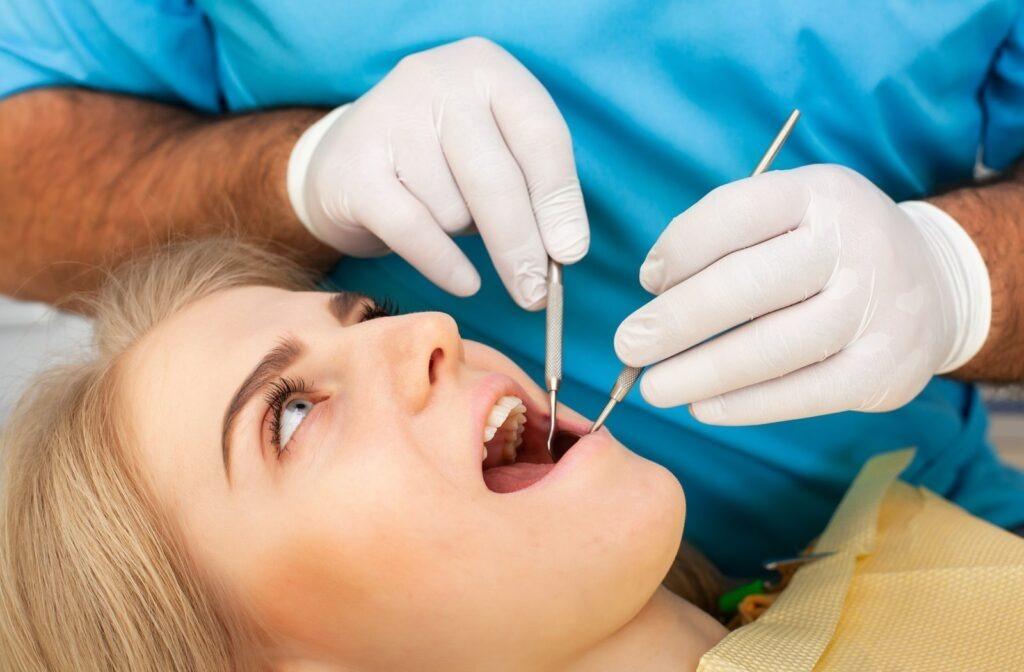
Dentists begin with a visual exam to check for swelling, redness, or tenderness. They examine how the wisdom teeth are erupting and assess surrounding tissues. Your bite and jaw movement are also evaluated. Dentists look for signs such as bleeding gums or limited mouth opening. They may gently probe the area to detect infection. This initial exam helps identify visible issues.
Panoramic X-Rays
A panoramic X-ray provides a full view of the jaw, teeth, and sinuses. It reveals the position, angle, and depth of wisdom teeth. Dentists can spot cysts, bone loss, or impacted teeth early. X-rays show whether the roots are near nerves or sinuses. This information determines the safest extraction method. Accurate imaging ensures proper diagnosis and planning.
Assessing Growth Direction (Impaction)
Dentists classify wisdom teeth based on how they are positioned. Some grow sideways, backward, or remain trapped under the bone. These impactions often cause severe pain and complications. Understanding the growth direction helps determine urgency. Teeth growing at odd angles often require quick removal. Assessing impaction ensures the most effective treatment plan.
What to Expect During Wisdom Tooth Removal
Types of Anesthesia
Dentists offer local anesthesia, sedation, or general anesthesia depending on complexity. Local anesthesia numbs the area for simple extractions. Sedation helps patients relax during moderate surgeries. General anesthesia is reserved for complicated cases. The choice depends on your comfort and the surgeon’s recommendation. Proper anesthesia ensures a painless experience.
Surgical Process
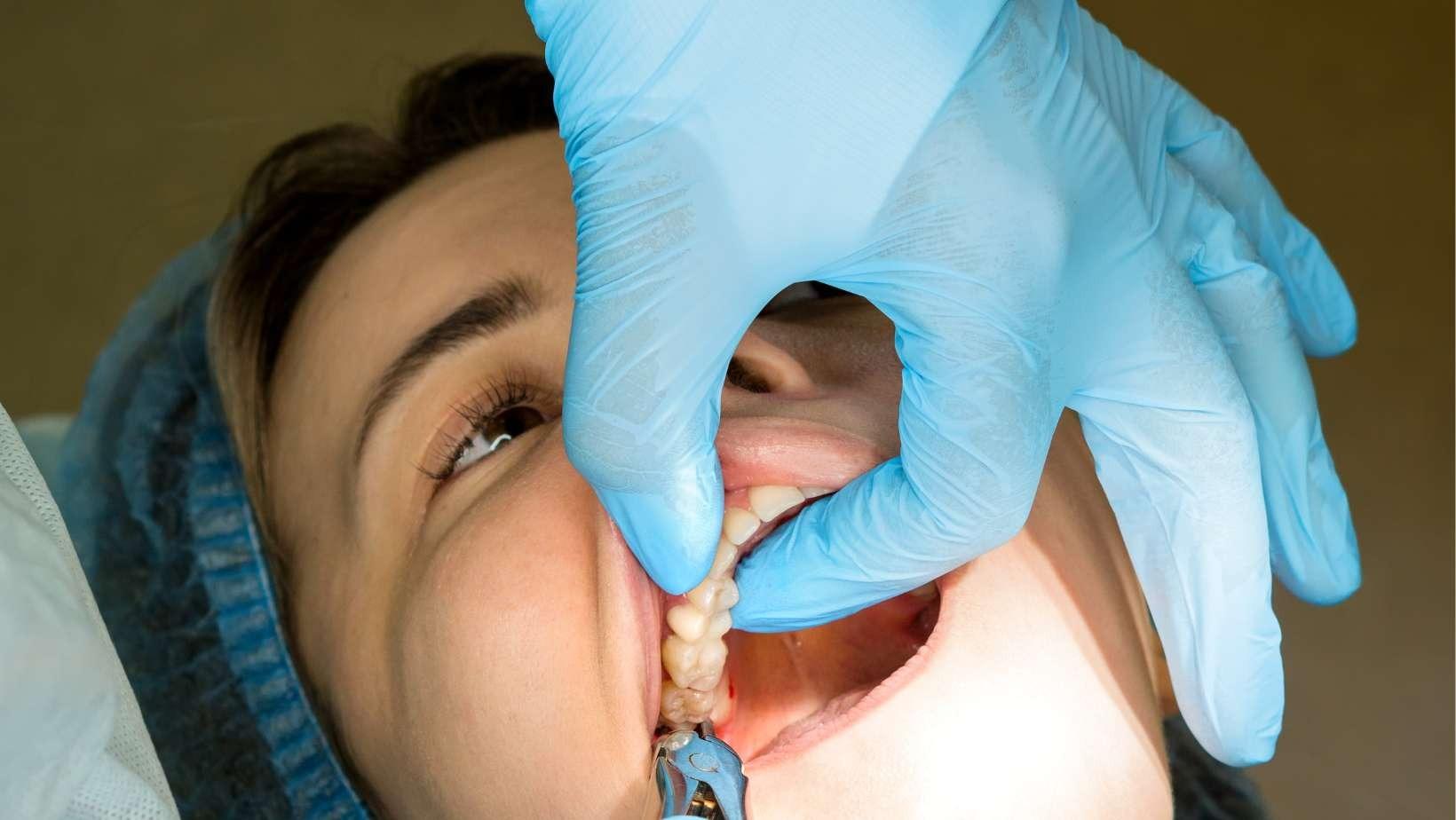
The dentist begins by numbing the area and making a small incision in the gum. Bone may be removed to access impacted teeth. The tooth is usually divided into smaller pieces for easier removal. After extraction, the dentist cleans the area thoroughly. Stitches may be placed to close the incision. The entire process typically takes 20–45 minutes.
Recovery Timeline
Healing usually begins within 24 hours and improves over the next few days. Patients may experience swelling, mild bleeding, and discomfort. Ice packs and medication help manage pain. Soft foods are recommended during the initial recovery phase. Complete healing takes about 1–2 weeks. Following aftercare instructions speeds up recovery.
Pain Management Tips
Dentists prescribe medications to control pain and reduce inflammation. Applying cold compresses helps ease swelling. Avoiding hard or crunchy foods reduces irritation. Keeping the head elevated helps minimize discomfort. Saltwater rinses promote healing and prevent infection. Proper care ensures a smooth recovery.
Prevention and Early Detection Tips
Regular Dental Checkups
Dentists monitor wisdom tooth development during routine exams. Early detection prevents complications before symptoms start. Regular cleaning reduces the risk of infection. Dentists can identify alignment issues early. X-rays are taken periodically for deeper insights. Consistent checkups maintain long-term oral health.
Monitoring Wisdom Tooth Growth
Dentists track the movement and eruption pattern of wisdom teeth. They look for early signs of impaction or misalignment. Knowing the growth direction helps in planning timely removal. Monitoring also prevents unexpected pain or swelling. Regular updates ensure preventive action. Patients stay aware of their oral changes.
Maintaining Oral Hygiene to Reduce Infection Risk
Proper brushing and flossing reduce bacteria around wisdom teeth. Mouthwash helps reach areas that are hard to clean. Good hygiene lowers the chances of gum disease. Regular cleaning prevents plaque buildup in hidden pockets. Healthy gums reduce infection risk. Preventive care complements professional checkups.
When to See an Emergency Dentist
Severe Swelling or Fever
Swelling combined with fever may indicate a spreading infection. This requires immediate attention to prevent complications. Infection can reach deeper tissues or bloodstream if ignored. Emergency dentists provide fast relief. They may drain abscesses or prescribe antibiotics. Early treatment prevents serious health risks.
Intense Pain Not Relieved by Medication
Over-the-counter painkillers may not help if the infection worsens. Persistent or sharp pain signals a serious issue. Severe discomfort may affect sleep or daily activities. Emergency care identifies the root cause quickly. Dentists may recommend urgent extraction. Immediate action prevents prolonged suffering.
Difficulty Breathing or Swallowing
Severe infections may cause swelling that restricts airflow. This is a dangerous sign requiring emergency attention. Difficulty swallowing may indicate throat involvement. Breathing problems should never be ignored. Dentists or emergency doctors assess swelling immediately. Prompt care ensures safety.
Conclusion
Wisdom teeth can cause a variety of problems, especially when there is not enough space for them to grow properly. Recognizing the early signs such as pain, swelling, infection, or crowding helps prevent serious long-term damage. Regular dental checkups and timely removal ensure better oral health and easier recovery. Ignoring symptoms may lead to severe complications that require complex treatment. If you notice persistent discomfort or any of the warning signs, consult your dentist promptly. Early action is the key to maintaining a healthy, pain-free smile.
FAQs
At what age do wisdom teeth usually appear?
Most wisdom teeth erupt between the ages of 17 and 25, though timing varies for each person.
Is wisdom tooth removal painful?
The procedure is painless due to anesthesia, but mild discomfort may occur during recovery.
Can wisdom teeth grow in normally without issues?
Yes, some people have enough jaw space and never experience complications.
How long does recovery take after extraction?
Most people recover within 7–14 days, depending on the complexity of surgery.
What happens if a wisdom tooth is impacted?
Impacted teeth stay trapped in the gum or bone, often causing pain, swelling, or infections that require removal.