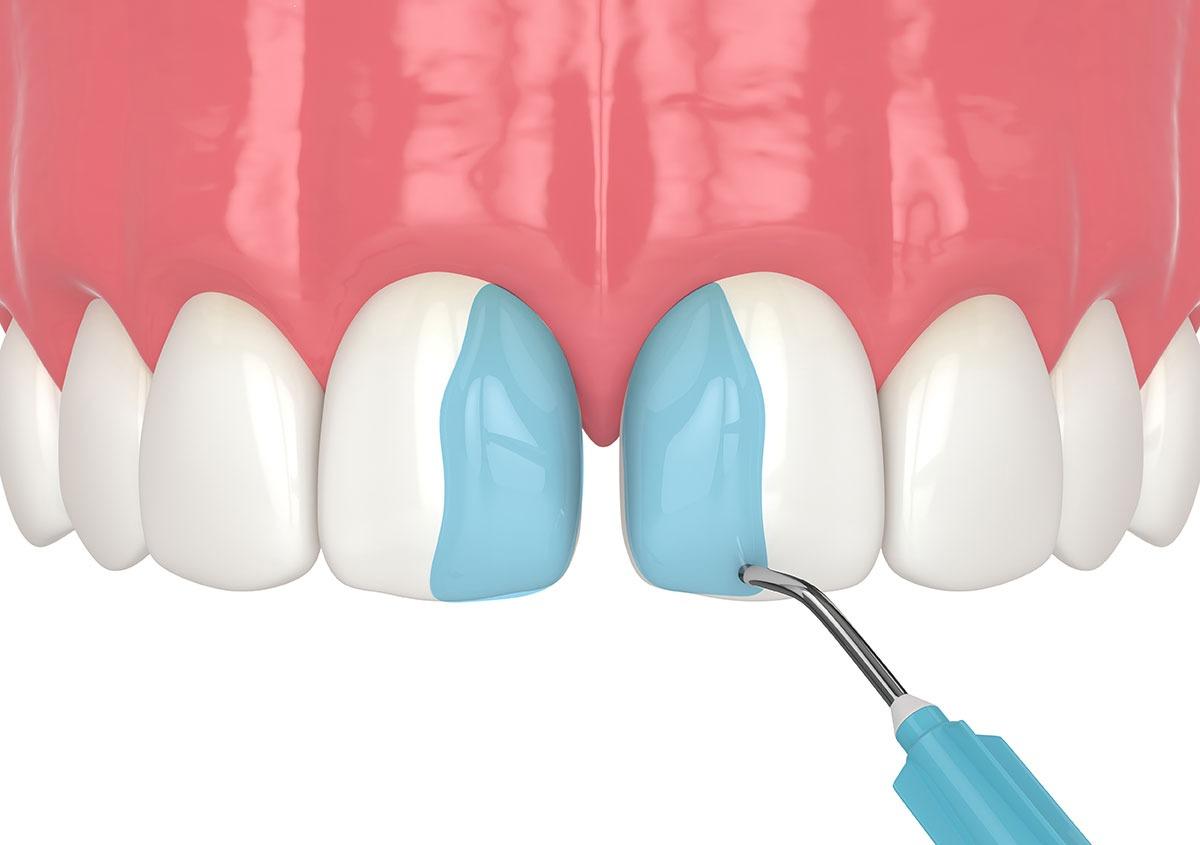
Tooth sensitivity is a widespread problem that can affect anyone, regardless of age. It occurs when the enamel, which protects teeth, or the dentin underneath becomes exposed, allowing stimuli like hot, cold, sweet, or acidic foods to reach the nerves. This exposure causes sharp or sudden pain that can interrupt daily activities like eating or drinking. While severe cases require professional dental care, many people can manage mild to moderate sensitivity at home. Understanding the causes and applying proper home care methods can relieve discomfort effectively. This article provides practical strategies, remedies, and lifestyle tips to treat sensitive teeth at home.
Understanding Tooth Sensitivity
What Causes Sensitive Teeth?
Sensitive teeth arise due to the loss of protective layers or damage to teeth. Enamel erosion from acidic foods, beverages, or harsh brushing removes the protective shield, exposing the underlying dentin. Gum recession is another common factor, revealing tooth roots that are more vulnerable to pain. Tooth decay, cavities, and worn fillings also expose nerve endings, causing sensitivity. Certain dental procedures, such as whitening treatments, can temporarily increase discomfort. Identifying the underlying cause is essential to choose the right home treatment and prevent further damage.
Symptoms of Sensitive Teeth
The symptoms of tooth sensitivity can vary from mild discomfort to sharp, stabbing pain. People often feel sudden pain when consuming hot, cold, sweet, or acidic foods. Pain may occur while brushing or flossing, especially near the gum line. Cold air or drinks can also trigger sensitivity. Some individuals notice a constant dull ache or throbbing in certain teeth. Early recognition of these symptoms helps prevent worsening problems and guides appropriate home care.
Home Remedies for Sensitive Teeth

Use Desensitizing Toothpaste
Desensitizing toothpaste contains compounds such as potassium nitrate or stannous fluoride, which block pain signals from reaching nerves. Regular use twice daily can significantly reduce sensitivity over time. It is important to brush gently to avoid further enamel erosion. Visible improvement may take 2-4 weeks of consistent use. These toothpastes are safe for long-term use and can be combined with other oral care routines. They are one of the easiest and most effective home treatments for sensitive teeth.
Saltwater Rinse
Saltwater has natural antiseptic properties that reduce inflammation and strengthen gums. Dissolving half a teaspoon of salt in warm water and rinsing the mouth helps soothe sensitive areas. It also aids in removing bacteria that can worsen discomfort. Saltwater rinses can be repeated 1-2 times daily for optimal results. This simple remedy is inexpensive and safe for daily use. It also supports overall oral hygiene while reducing sensitivity.
Oil Pulling
Oil pulling is an ancient technique that helps remove bacteria and plaque from teeth. Coconut or sesame oil is swished in the mouth for 10-15 minutes, then spit out. This process reduces bacterial buildup, preventing enamel damage and gum irritation. Regular oil pulling can improve oral health and slightly reduce sensitivity. It also leaves the mouth feeling fresh and clean. While not a substitute for brushing, it is a helpful supplementary home remedy.
Fluoride Treatments at Home
Fluoride helps to strengthen enamel and protect teeth from sensitivity. Fluoride toothpaste or gels can be applied daily to exposed areas. A fluoride rinse once a day enhances enamel resilience. After using fluoride treatments, it is best to avoid eating or drinking for 30 minutes. This ensures maximum absorption and effect. Over time, fluoride reduces discomfort and protects against further enamel erosion.
Avoid Acidic and Sugary Foods
Acidic and sugary foods accelerate enamel erosion, worsening sensitivity. Soda, citrus fruits, vinegar, and candies are common culprits. Drinking water immediately after consuming acidic foods can help neutralize acids. Dairy products, fibrous vegetables, and other enamel-friendly foods can protect teeth. Reducing consumption of harmful foods prevents further enamel damage. A balanced diet contributes to long-term oral health and reduced sensitivity.
Lifestyle Changes to Reduce Sensitivity
Brush Gently and Properly
Brushing technique greatly affects tooth sensitivity. Using a soft-bristled toothbrush and gentle circular motions prevents enamel and gum damage. Brushing twice daily for two minutes ensures plaque removal without causing irritation. Avoiding aggressive scrubbing protects exposed dentin and reduces pain. Proper technique improves overall oral hygiene while minimizing sensitivity. Consistency and care in brushing are key preventive measures.
Floss Carefully
Flossing removes plaque between teeth but must be done carefully to avoid harming gums. Gentle motions prevent bleeding and gum recession, which can expose roots. Flossing once daily helps maintain healthy gums and teeth. Incorrect flossing techniques may worsen sensitivity instead of improving it. Using waxed or soft floss can provide added protection. Proper flossing is essential for reducing discomfort and preventing dental issues.
Avoid Teeth Grinding
Teeth grinding, or bruxism, wears down enamel and increases sensitivity. Night guards are often recommended for protection during sleep. Stress-relief practices like meditation or exercises can reduce grinding habits. Monitoring teeth for wear and avoiding excessive clenching helps prevent further damage. Protecting enamel from mechanical wear reduces nerve exposure. Avoiding grinding preserves teeth and decreases sensitivity over time.
Maintain Hydration
Saliva is a natural protector of enamel and helps neutralize harmful acids. Drinking plenty of water throughout the day supports saliva production. Chewing sugar-free gum also stimulates saliva flow. Hydration keeps the mouth clean and reduces the risk of acid-related enamel damage. Dehydration can worsen sensitivity and promote decay. Maintaining adequate water intake is a simple but effective strategy for oral health.
Herbal and Natural Remedies
Clove Oil
Clove oil has analgesic and antibacterial properties that help soothe sensitive teeth. Applying a small amount with a cotton ball to the affected area provides temporary pain relief. It reduces inflammation and combats bacterial infections that may exacerbate sensitivity. Clove oil can be used 1-2 times daily for noticeable benefits. It is safe for short-term use and complements other home treatments. This natural remedy is widely used for dental pain management.
Green Tea Rinse
Green tea contains polyphenols that strengthen enamel and reduce gum inflammation. A cooled cup of brewed green tea can be used as a mouth rinse. It helps reduce bacterial buildup and supports oral health. Daily rinsing with green tea gradually decreases sensitivity. This method is gentle, natural, and safe for routine use. Green tea also provides antioxidant benefits beyond oral care.
Aloe Vera Gel
Aloe vera has anti-inflammatory and antibacterial properties that aid in reducing sensitivity. Applying aloe gel directly to gums or teeth provides soothing relief. Leaving it on for a few minutes before rinsing enhances its effectiveness. Aloe supports gum health and reduces irritation near sensitive areas. It is a gentle, natural remedy safe for daily use. Aloe vera complements other preventive oral care measures effectively.
Chamomile Tea
Chamomile tea offers calming effects for inflamed gums and sensitive teeth. A cooled chamomile rinse can reduce discomfort and promote healing. Its anti-inflammatory properties soothe irritated areas and support oral tissue recovery. Regular use helps maintain gum health and overall mouth hygiene. Chamomile tea is gentle and can be used safely alongside standard oral care. It is an effective herbal remedy for mild sensitivity.
Managing Sensitivity After Dental Procedures

After Whitening Treatments
Teeth whitening can temporarily increase sensitivity, especially if enamel is thin. Using desensitizing toothpaste before and after treatment reduces discomfort. Avoiding extremely hot or cold foods during this period prevents pain. Rinsing with lukewarm water also soothes sensitive teeth. Sensitivity typically subsides within a few days to weeks. Following dental guidance ensures minimal discomfort and long-lasting results.
After Fillings or Dental Work
Dental procedures like fillings may leave teeth temporarily sensitive. Avoid chewing hard foods immediately after treatment to allow teeth to adjust. Over-the-counter pain relievers can help manage discomfort. Continuing gentle brushing and flossing prevents further irritation. Monitoring the area for unusual pain or swelling is important. Post-procedure care promotes faster recovery and reduced sensitivity.
When to Seek Professional Help
Home remedies are effective for mild sensitivity, but some cases require professional evaluation. Persistent sharp pain, throbbing, or swelling signals a serious problem. Exposed roots or severe gum recession need targeted dental care. Suspected cavities, cracks, or worn restorations must be treated professionally. Dentists can apply fluoride varnishes, bonding, or root canal therapy if necessary. Timely professional intervention prevents complications and long-term tooth damage.
Prevention Strategies
Regular Dental Checkups
Regular dental visits detect sensitivity causes early and prevent severe damage. Visiting a dentist every six months allows for cleaning, fluoride treatment, and monitoring. Early detection of enamel erosion or gum recession can prevent worsening sensitivity. Dental professionals provide guidance for home care routines. Consistent checkups ensure oral health maintenance. They are a critical step in long-term prevention.
Maintain Proper Oral Hygiene
Consistent oral care prevents plaque buildup and enamel erosion. Brushing twice daily with fluoride toothpaste and flossing removes bacteria effectively. Using a mouthwash adds an extra layer of protection. Proper hygiene strengthens teeth and reduces the risk of sensitivity. It also promotes healthier gums and overall mouth cleanliness. Routine care is the foundation of sensitive teeth prevention.
Limit Acidic Beverages
Acidic drinks like soda and citrus juices accelerate enamel erosion over time. Using a straw helps minimize contact with teeth. Rinsing with water after consumption neutralizes acids. Limiting frequency of acidic beverages protects enamel. Choosing enamel-friendly alternatives reduces sensitivity risks. Small changes in consumption habits have a lasting impact on oral health.
Healthy Diet for Teeth
A diet rich in vitamins and minerals strengthens enamel and gums. Dairy products, leafy greens, nuts, and fibrous vegetables support oral health. Foods high in calcium and phosphorus rebuild tooth enamel. Reducing sugary and acidic foods prevents further damage. A balanced diet also improves overall body health, indirectly benefiting teeth. Nutritional choices play a key role in maintaining strong, non-sensitive teeth.
Conclusion
Sensitive teeth are common, but manageable with proper care and attention. Home remedies, lifestyle adjustments, and preventive strategies effectively reduce discomfort. Understanding the causes and practicing gentle oral hygiene are essential for long-term relief. Severe or persistent sensitivity requires professional dental evaluation. Combining home care with regular checkups ensures oral health and comfort. Following these strategies allows individuals to enjoy eating, drinking, and daily life without fear of dental pain.