Maintaining good dental health in children is more than just brushing teeth; it’s about instilling habits that last a lifetime. Healthy teeth support proper chewing, speech development, and overall health. Poor oral hygiene in childhood can lead to cavities, gum disease, and even affect self-esteem. Parents are central to creating routines that make dental care enjoyable rather than a chore. This guide offers practical, age-appropriate strategies to teach children proper dental hygiene. By following these tips, parents can ensure their children grow up with strong, healthy smiles.
Understanding Your Child’s Teeth
Children’s teeth differ significantly from adult teeth, both in structure and care requirements. Primary, or baby, teeth start appearing around six months and typically total 20, forming the foundation for permanent teeth. These teeth are vital for chewing, speaking, and holding space for future adult teeth. Each tooth erupts at a specific developmental stage, and parents should be aware of these milestones. Understanding teething, eruption patterns, and when teeth are replaced helps prevent problems. Awareness empowers parents to act quickly if any abnormalities arise, ensuring proper dental development.
The Importance of Early Dental Care
Early dental care sets the stage for a lifetime of oral health. Children who visit a dentist from a young age develop familiarity with dental procedures and experience less anxiety. Preventive care, including fluoride treatments, cleanings, and monitoring for cavities, protects teeth before problems occur. Teaching children proper brushing and flossing early ensures they develop good habits. Early intervention for issues like misaligned teeth or oral habits prevents future complications. Overall, starting dental care early builds confidence and promotes healthier smiles in adulthood.
Brushing Techniques for Children
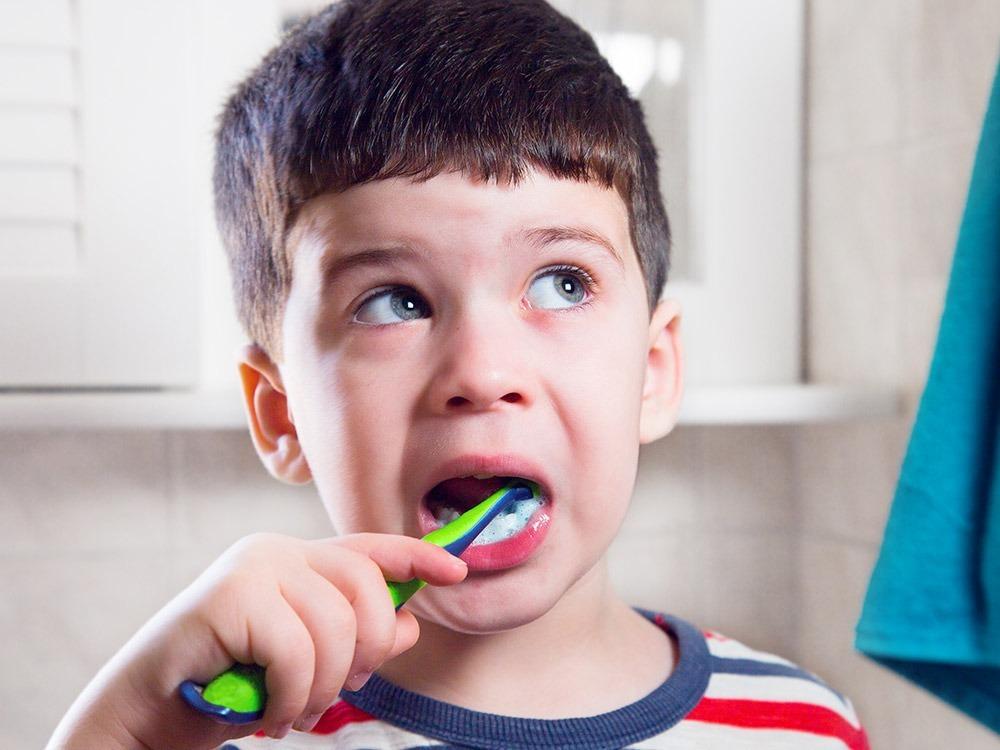
Brushing is the cornerstone of dental hygiene and should start as soon as the first tooth appears. For infants, a soft-bristled toothbrush and a tiny smear of fluoride toothpaste are sufficient. As children grow, parents should ensure brushing lasts at least two minutes, covering all surfaces of the teeth and gums. Demonstrating proper circular motions and reaching molars is essential. Fun techniques like using timers, apps, or songs can make brushing engaging. Supervision is important until children develop proper control and consistency in their brushing habits.
Flossing and Its Importance

Flossing is crucial for removing plaque and debris from areas that brushing alone cannot reach. Parents should begin flossing as soon as two teeth touch, usually around age two or three. For younger children, floss picks or pre-threaded floss simplify the process. Flossing reduces the risk of cavities between teeth and prevents gum inflammation. Teaching proper flossing technique early fosters independence in dental care. Consistent flossing combined with brushing creates a complete oral hygiene routine that protects against long-term dental problems.
Healthy Eating Habits for Strong Teeth
Nutrition directly impacts oral health, influencing both teeth strength and cavity formation. Sugary, sticky, and acidic foods contribute to decay, while fruits, vegetables, dairy, and whole grains promote strong enamel. Calcium and vitamin D support tooth development, and water consumption helps wash away food particles and neutralize acids. Parents should model healthy eating and limit sugary snacks between meals. Balanced meals combined with good hygiene practices reduce dental issues significantly. Encouraging healthy choices early sets a foundation for lifelong oral health.
Fluoride and Its Role in Preventing Cavities
Fluoride strengthens enamel, making teeth more resistant to decay and acid erosion. Most children’s toothpastes contain fluoride, and some communities add it to public water supplies. Parents should use age-appropriate amounts: a tiny smear for toddlers and a pea-sized amount for older children. Professional fluoride treatments may be recommended for children at high risk of cavities. Fluoride is safe when used correctly and plays a critical role in preventing tooth decay. Combined with proper brushing and diet, it forms a cornerstone of preventive dental care.
Managing Teething Discomfort
Teething can cause irritability, drooling, gum swelling, and mild fever in infants. Parents can soothe discomfort using teething rings, cold washcloths, or gentle gum massages. Over-the-counter pain relief may be used under pediatrician guidance for severe cases. Understanding typical teething timelines helps parents anticipate symptoms. Maintaining oral hygiene during teething prevents early decay and gum issues. Comfort and patience during this stage help both parent and child navigate the challenges of tooth eruption effectively.
The Role of Regular Dental Checkups
Routine dental visits allow early detection and prevention of oral problems. The American Academy of Pediatric Dentistry recommends visits starting by age one, then every six months. Dentists monitor growth, provide cleanings, and offer fluoride or sealant treatments as needed. Regular visits help children develop comfort and familiarity with dental care. They also educate parents about proper home care and nutrition. By establishing checkups early, parents can prevent minor issues from becoming serious dental problems.
Teaching Kids About Oral Hygiene
Children learn by observing, so parents should model brushing and flossing techniques. Explaining the reasons for dental care and demonstrating proper methods encourages participation. Fun elements like songs, timers, and reward charts make routines engaging. Parents can use storytelling to explain cavities or gum disease in a child-friendly manner. Consistent guidance reinforces positive habits. Over time, children develop both skill and motivation for independent dental care.
Dealing With Dental Anxiety
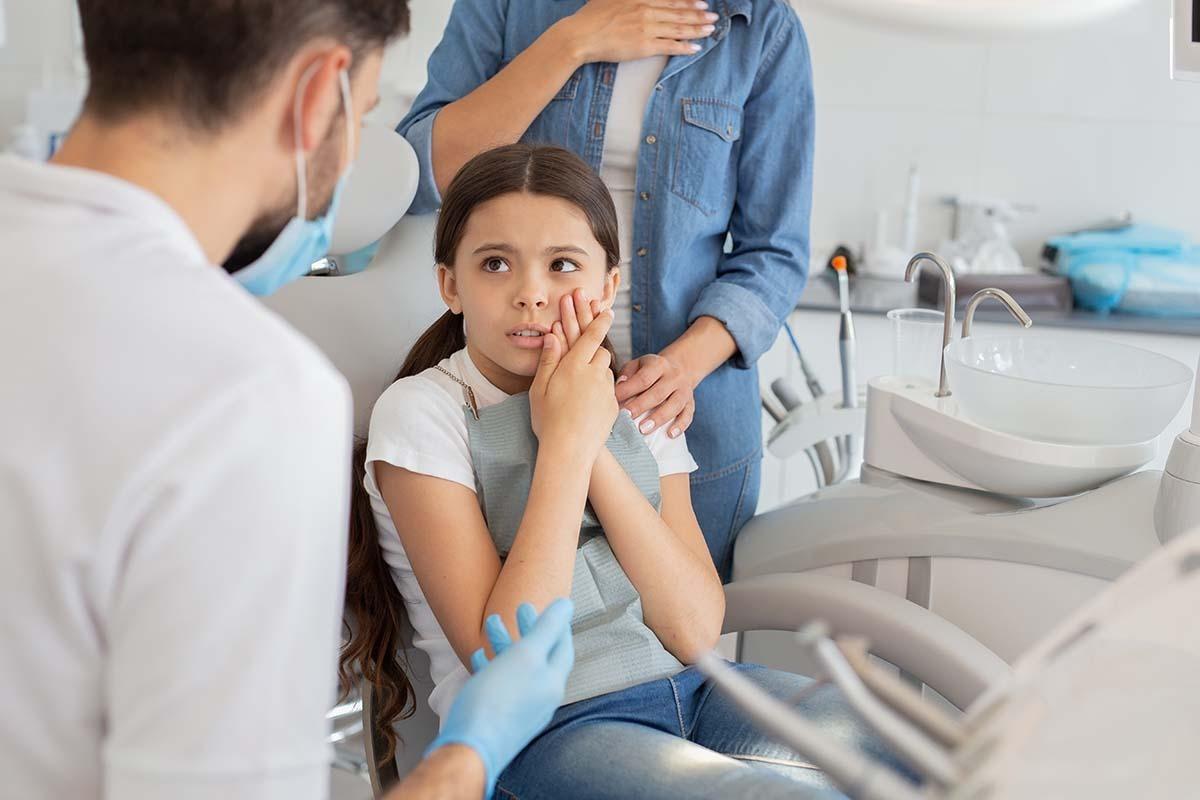
Dental anxiety is common among children, often stemming from fear of pain or unfamiliar settings. Parents can reduce anxiety by explaining procedures using simple, non-threatening language. Pre-appointment visits or casual “meet and greets” with the dentist build familiarity. Relaxation techniques like deep breathing, visualization, or holding a parent’s hand can calm nerves. Pediatric dentists often use child-friendly approaches and positive reinforcement. Early management of anxiety ensures smoother dental visits and encourages lifelong dental comfort.
Preventing Common Childhood Dental Problems
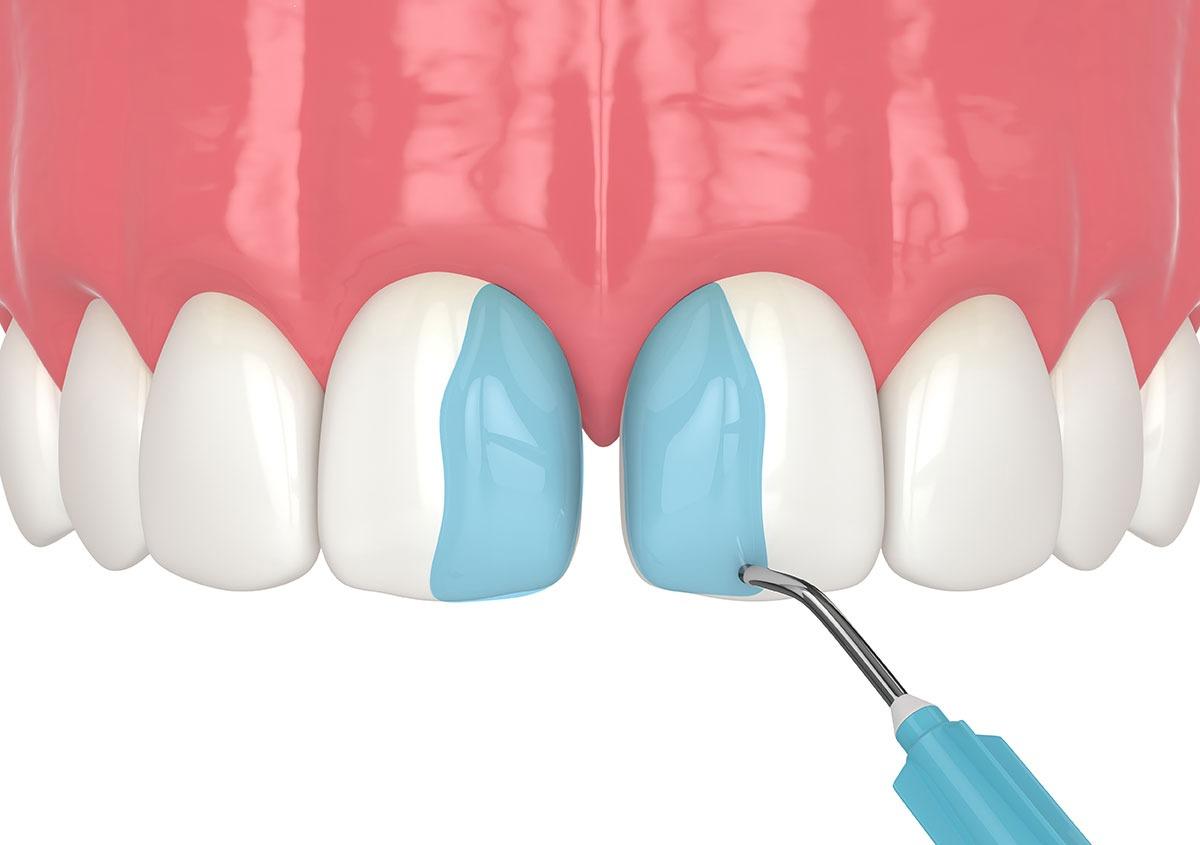
Cavities, gum inflammation, and enamel defects are prevalent in children. Preventive measures like proper brushing, flossing, and balanced diet are essential. Sealants protect molars by covering deep grooves prone to decay. Addressing habits such as prolonged pacifier use or thumb-sucking prevents misalignment. Early detection and intervention reduce the severity of problems. By prioritizing prevention, parents can safeguard their children’s oral health and minimize the need for complex treatments.
Oral Habits to Encourage and Avoid
Promoting positive oral habits strengthens teeth, while harmful ones can cause long-term issues. Encourage drinking water, brushing after snacks, and chewing sugar-free gum. Avoid thumb-sucking, nail-biting, and prolonged pacifier use. Monitor behaviors that affect alignment or wear enamel. Replacing harmful habits with healthy routines fosters dental growth. Consistent guidance ensures habits support rather than compromise oral health.
Sports and Dental Protection
Sports increase the risk of dental injuries, especially contact activities. Mouthguards protect teeth, lips, and gums from trauma. Custom-fitted mouthguards provide superior protection and comfort, while boil-and-bite options are convenient for younger children. Teaching consistent use ensures safety during games and practices. Parents should reinforce the importance of protective gear for every session. Proper protection prevents costly repairs and safeguards developing teeth.
Special Considerations for Kids With Braces
Orthodontic appliances make cleaning teeth more challenging, requiring extra care. Braces trap food particles and increase cavity risk if hygiene is inadequate. Use orthodontic brushes, floss threaders, and fluoride rinses to maintain oral health. Regular visits to the orthodontist and dentist prevent complications. Educating children on proper cleaning ensures success of treatment. Good habits during orthodontics lead to healthier teeth and gums after braces removal.
Recognizing Signs of Dental Problems
Early identification of dental problems prevents complications. Tooth pain, swelling, bleeding gums, or discoloration may signal cavities or infections. Persistent bad breath or difficulty chewing should not be ignored. Monitoring changes in alignment or oral appearance ensures timely intervention. Parents should communicate concerns promptly to the dentist. Awareness and prompt action protect both comfort and long-term dental health.
At-Home Remedies for Minor Dental Issues
Mild toothaches or gum irritation can often be managed at home. Saltwater rinses, cold compresses, and age-appropriate pain relief offer temporary relief. Avoid sugary or acidic foods that worsen discomfort. Maintaining hygiene and monitoring symptoms prevents escalation. Persistent pain or swelling requires professional attention. Combining home care with dental guidance ensures safety and comfort.
Teaching Long-Term Dental Responsibility
Teaching independence fosters long-term oral health habits. Children should brush and floss on their own under supervision until proficient. Discuss the importance of healthy teeth for self-confidence and overall well-being. Reward systems reinforce consistency and accountability. Encouraging responsibility helps children internalize dental routines. Gradual independence ensures lifelong dental hygiene without relying solely on parental supervision.
Technology and Tools for Encouraging Dental Care
Modern technology makes dental routines interactive and engaging. Electric toothbrushes, apps, and progress trackers turn hygiene into a fun activity. Some apps offer rewards, games, and timers to motivate brushing. Flossing tools and colorful accessories encourage consistent use. These methods combine education with entertainment, reducing resistance to care. Technology enhances routine compliance while making dental hygiene enjoyable.
Traveling and Maintaining Oral Health
Traveling can disrupt regular oral care routines if unprepared. Packing travel toothbrushes, toothpaste, floss, and water ensures continuity. Encourage brushing after meals and maintain regular meal patterns. Plan ahead by knowing nearby dental clinics in case of emergencies. Consistency prevents setbacks and preserves oral hygiene. Proactive planning ensures children maintain healthy teeth even on trips.
Cultural and Family Influences on Dental Care
Cultural beliefs and family practices shape children’s oral hygiene habits. Some cultures use herbal remedies or dietary restrictions affecting teeth. Integrating positive cultural practices with modern dental care creates a balanced approach. Educate children on scientifically supported oral hygiene while respecting traditions. Family modeling influences long-term behavior. Awareness ensures children receive holistic and effective dental care.
When to Seek Professional Help
Certain situations require immediate dental attention to prevent complications. Severe tooth pain, broken or knocked-out teeth, persistent bleeding, or swelling are red flags. Delaying treatment can lead to infections or long-term damage. Maintain communication with your pediatric dentist for guidance. Timely professional intervention protects oral health and reduces future treatments. Knowing when to act ensures safety and comfort for the child.
Conclusion
Healthy dental habits established early lead to lifelong benefits for children. Parents are central to guiding routines, modeling behaviors, and providing support. Proper brushing, flossing, nutrition, and regular checkups prevent dental problems. Positive reinforcement, patience, and education make oral care enjoyable. Combining at-home care with professional guidance ensures optimal dental health. Ultimately, strong smiles result from consistent, proactive parental involvement and child cooperation.