The start of a new school year is an exciting time filled with fresh routines, new classmates, and academic goals. Amid shopping for uniforms, backpacks, and stationery, one essential aspect of a child’s well-being is often overlooked: dental health. A healthy smile plays a critical role in a child’s confidence, comfort, and overall health throughout the school year. Tooth pain, cavities, or gum problems can distract children in class, affect their nutrition, and lead to missed school days. That’s why having a comprehensive back-to-school dental checklist for kids is so important.
This guide is designed to help parents prepare their children’s smiles for a successful school year. It covers everything from scheduling dental visits and updating oral hygiene routines to nutrition tips, orthodontic care, and habits that protect teeth during busy school days. By following this checklist, parents can reduce dental problems, support long-term oral health, and give their children one less thing to worry about as they head back to school.
Schedule a Back-to-School Dental Checkup
A dental checkup before school starts is one of the most important steps in a child’s oral health routine. Regular dental visits allow dentists to identify early signs of cavities, gum disease, or orthodontic issues before they become painful or costly. Ideally, children should see a dentist every six months, and the back-to-school season is a perfect reminder. During a routine checkup, the dentist examines the teeth, gums, and jaw, takes X-rays if needed, and checks for proper tooth development. Professional cleaning removes plaque and tartar that brushing at home can’t fully eliminate. These visits also give parents a chance to ask questions about brushing techniques, fluoride use, or any concerns specific to their child. Scheduling appointments early is crucial because dental offices often get busy before school begins. A timely visit ensures your child starts the academic year with a clean, healthy mouth and peace of mind.
Update Your Child’s Oral Hygiene Routine
As children grow, their oral hygiene needs change. Back-to-school season is a great time to reassess and update daily dental care routines. What worked last year may not be sufficient now, especially as permanent teeth erupt and dietary habits evolve. Parents should ensure children are brushing twice a day with fluoride toothpaste and flossing at least once daily. Younger kids may need supervision to make sure they’re brushing properly, while older children can benefit from reminders and encouragement. Consider setting a morning and bedtime routine that includes brushing and flossing as non-negotiable habits. Electric toothbrushes can be helpful for kids who struggle with technique, while fun-flavored toothpaste or character-themed tools can motivate younger children. The goal is consistency, proper technique, and making oral care a natural part of daily life.
Replace Old Toothbrushes and Supplies
Toothbrushes don’t last forever, and worn-out bristles are less effective at removing plaque. As part of your back-to-school checklist, replace your child’s toothbrush or electric toothbrush head. Dentists recommend changing toothbrushes every three months or sooner if bristles are frayed. In addition to toothbrushes, check toothpaste, floss, and mouthwash supplies. Make sure toothpaste contains fluoride and is age-appropriate. For children with braces or orthodontic appliances, stock up on specialized floss, interdental brushes, or water flossers. Having fresh supplies not only improves oral hygiene but also motivates children to take better care of their teeth. A new toothbrush can make brushing feel like a fresh start for the school year.
Teach Proper Brushing and Flossing Techniques

Brushing and flossing are only effective when done correctly. Many children brush too quickly or miss important areas of the mouth. Back-to-school time is ideal for reviewing proper techniques and correcting bad habits. Children should brush for at least two minutes, covering all surfaces of the teeth: front, back, and chewing surfaces. Using small circular motions and gentle pressure helps protect enamel and gums. Flossing should gently clean between teeth without snapping the floss into the gums. Parents can brush alongside younger children to demonstrate proper technique or use timers and apps to make brushing fun. Older kids may benefit from reminders about why thorough brushing matters, especially with increased snacking during school days.
Review Fluoride and Sealant Needs
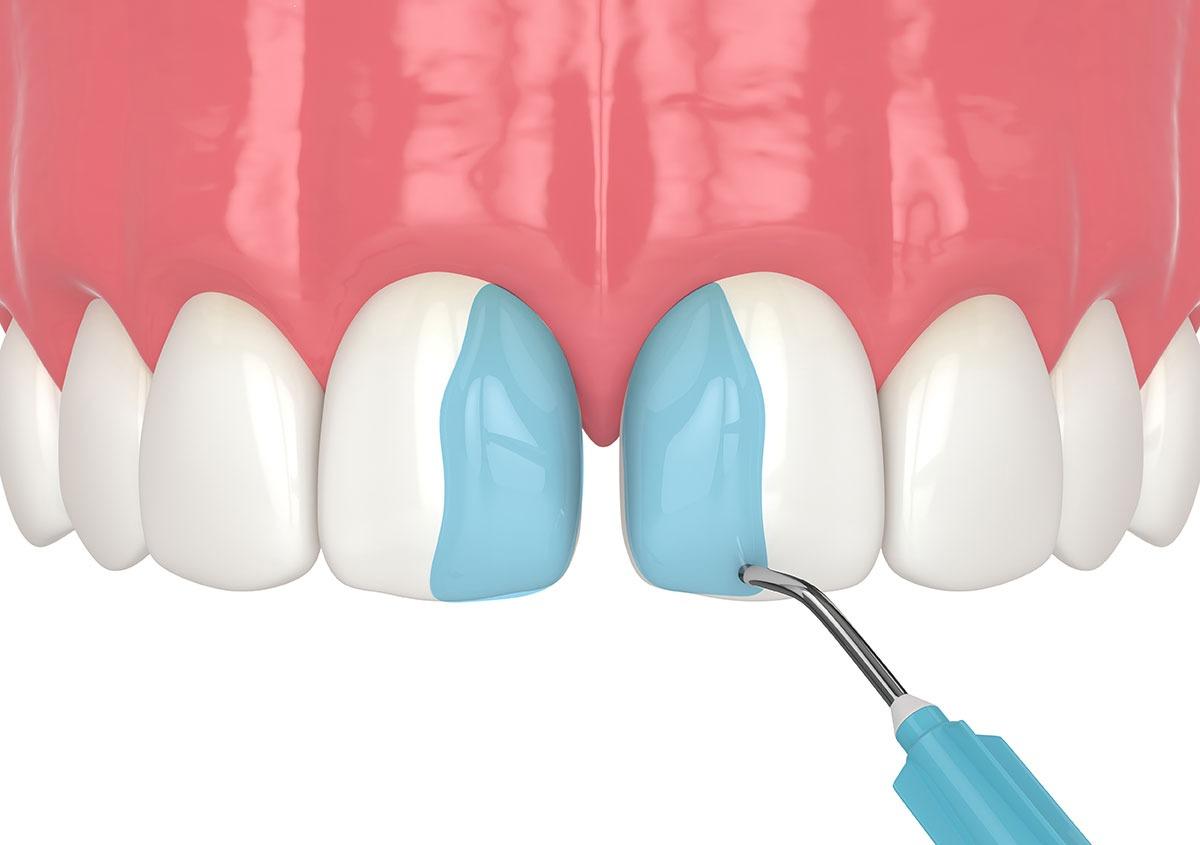
Fluoride plays a key role in strengthening tooth enamel and preventing cavities. During a dental visit, ask your dentist whether your child is getting enough fluoride from toothpaste, drinking water, or professional treatments. In some cases, fluoride varnishes or supplements may be recommended. Dental sealants are another powerful preventive tool, especially for school-aged children. Sealants are thin protective coatings applied to the chewing surfaces of molars, where cavities often develop. They create a barrier that keeps food and bacteria out of deep grooves. Including fluoride and sealant discussions in your back-to-school dental checklist can significantly reduce the risk of cavities throughout the school year.
Check for Orthodontic Issues
Many children begin orthodontic treatment during their school years. Back-to-school is an excellent time to evaluate whether your child needs braces, aligners, or other orthodontic care. Early intervention can prevent more complex problems later on. If your child already has braces or aligners, ensure they are following care instructions properly. This includes regular brushing, avoiding certain foods, and attending scheduled orthodontic appointments. Loose wires, broken brackets, or discomfort should be addressed before school starts. Orthodontic readiness ensures that children can focus on learning rather than dealing with dental discomfort or emergencies during school hours.
Address Dental Anxiety Before School Starts
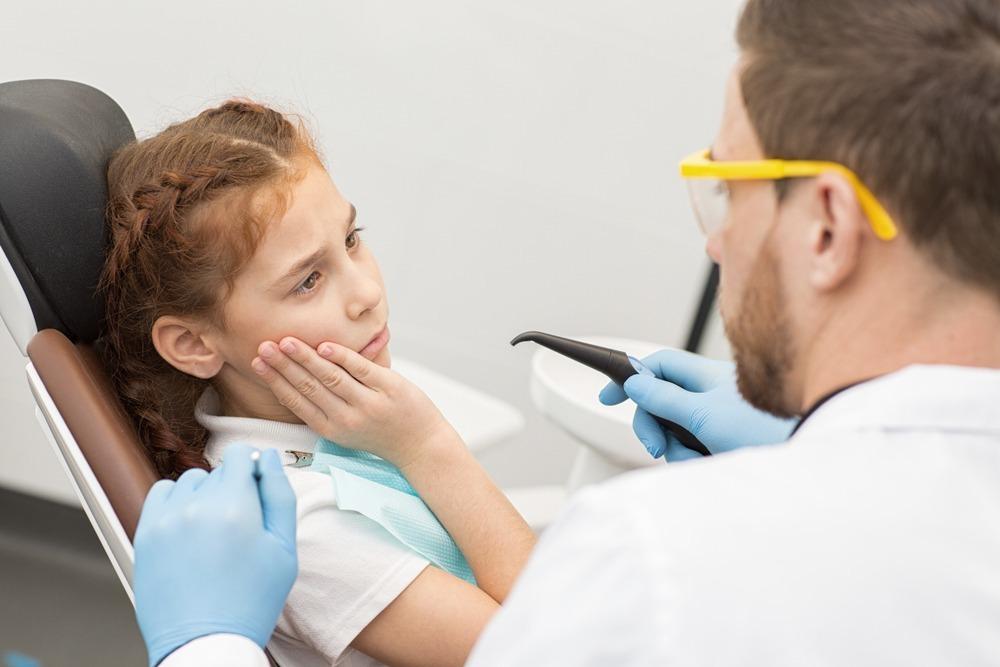
Dental anxiety is common among children, especially if they’ve had negative experiences in the past. Back-to-school preparation offers a chance to address these fears in a calm, supportive environment. Talk openly with your child about dental visits, explain what to expect, and emphasize the benefits of healthy teeth. Reading books, watching videos, or role-playing dental visits can help younger children feel more comfortable. Choosing a pediatric dentist who specializes in child-friendly care can also make a big difference. Reducing dental anxiety early ensures that children are more cooperative during visits and more likely to maintain good oral hygiene habits throughout the school year.
Pack a Tooth-Friendly School Lunch
What children eat at school has a major impact on their dental health. Sugary snacks, sticky candies, and acidic drinks can increase the risk of cavities. A back-to-school dental checklist should include planning tooth-friendly lunches and snacks. Encourage foods that support oral health, such as fresh fruits, vegetables, cheese, yogurt, and whole grains. These foods stimulate saliva production, which helps neutralize acids and wash away food particles. Water should be the primary beverage, as it hydrates and helps rinse the mouth. Limit sugary drinks like sodas and juices, especially in lunchboxes. If treats are included, encourage brushing afterward or at least rinsing with water.
Educate Kids About Smart Snacking Habits
Snacking frequency matters just as much as what children eat. Frequent snacking exposes teeth to constant acid attacks, increasing the risk of decay. Teach children to be mindful of how often they snack during the school day. Encourage set snack times rather than grazing throughout the day. Choose snacks that are low in sugar and less likely to stick to teeth. Nuts, apples, carrots, and cheese are better choices than gummies or cookies. Helping kids understand how snacks affect their teeth empowers them to make healthier choices even when parents aren’t around.
Prepare for Sports and Physical Activities
Many school activities involve sports, which can pose a risk to dental health. Mouth injuries are common during contact sports and even some non-contact activities. Including sports safety in your back-to-school dental checklist is essential. If your child participates in sports, ask your dentist about a custom-fitted mouth guard. Mouth guards protect teeth from fractures, chips, and knockouts. They also reduce the risk of jaw injuries. Make sure your child knows how to properly wear and care for their mouthguard, and replace it as they grow or if it becomes damaged.
Reinforce Habits That Protect Teeth at School
Children spend many hours at school, where parents have limited control over their habits. Reinforcing good dental behaviors before school starts can make a big difference. Teach children to avoid chewing on pencils, pens, or fingernails, as these habits can damage teeth and orthodontic appliances. Encourage drinking water after meals to help rinse the mouth. For older children, discuss the risks of sharing drinks or utensils, which can spread bacteria. Simple reminders can help children protect their teeth even when they’re away from home.
Manage Thumb Sucking and Oral Habits
Certain oral habits, such as thumb sucking, tongue thrusting, or prolonged pacifier use, can affect tooth alignment and jaw development. Back-to-school season is a good time to address these habits, especially if they persist beyond early childhood. Dentists can provide guidance and tools to help children break these habits gently and effectively. Positive reinforcement, habit-breaking appliances, or behavioral strategies may be recommended depending on the child’s age and needs. Addressing these habits early supports proper dental development and reduces the likelihood of orthodontic problems later on.
Ensure Adequate Hydration for Oral Health
Hydration plays a surprisingly important role in dental health. Drinking enough water helps maintain saliva flow, which protects teeth from decay and neutralizes harmful acids. Encourage children to carry a refillable water bottle to school and drink water throughout the day. This is especially important for active children who participate in sports or physical education classes. Limiting sugary and acidic beverages while promoting water consumption supports both dental health and overall well-being.
Teach Kids About the Link Between Oral Health and Overall Health
Children are more likely to care about their teeth when they understand why it matters. Use back-to-school preparation as an opportunity to explain how oral health is connected to overall health. Discuss how cavities and gum disease can cause pain, infections, and difficulty eating or speaking. Explain that a healthy mouth supports good nutrition, clear speech, and confidence. For older kids, introduce the idea that oral health affects the rest of the body, including the heart and immune system. Education empowers children to take responsibility for their dental care and make informed choices.
Create a Morning and Nighttime Dental Routine
School schedules can be hectic, making it easy to skip brushing or flossing. Establishing consistent morning and nighttime routines before school starts helps prevent this. Set specific times for brushing and flossing, and make them part of the daily schedule. Using charts, alarms, or reward systems can motivate younger children. Older kids may appreciate having independence paired with accountability. Consistency is key. A reliable routine ensures that dental care remains a priority even on busy school days.
Address Special Dental Needs
Some children have special dental needs due to medical conditions, developmental differences, or previous dental issues. Back-to-school preparation should include reviewing any special instructions from your dentist. This may involve specific oral hygiene tools, medications, or accommodations at school. Communicate with teachers or school nurses if necessary to ensure your child’s needs are met during the day. Proactive planning helps prevent complications and supports a positive school experience for children with unique dental requirements.
Prepare for Dental Emergencies at School
Dental emergencies can happen unexpectedly, whether from a fall, sports injury, or sudden toothache. Being prepared can make a stressful situation easier to manage. Teach children what to do if they experience dental pain or injury at school, such as informing a teacher or visiting the school nurse. Make sure emergency contact information is up to date, and keep your dentist’s phone number accessible. Knowing how to respond quickly can reduce damage and improve outcomes in dental emergencies.
Encourage Positive Attitudes Toward Dental Care

A child’s attitude toward dental care often reflects their parents’ attitudes. Speak positively about dental visits and oral hygiene, and avoid using the dentist as a threat or punishment. Celebrate milestones such as cavity-free checkups or improved brushing habits. Positive reinforcement builds confidence and motivation. When children view dental care as a normal and beneficial part of life, they are more likely to maintain healthy habits into adulthood.
Review Insurance and Dental Coverage
Before the school year begins, review your dental insurance or coverage options. Understanding what services are covered can help you plan routine visits, treatments, or orthodontic care. Check whether your child is due for cleanings, sealants, or X-rays and schedule appointments accordingly. Being informed about coverage reduces surprises and ensures your child receives necessary care. Financial preparedness is an often-overlooked part of a comprehensive back-to-school dental checklist.
Monitor Growth and Tooth Development
Children’s mouths change rapidly as they grow. Back-to-school time is an opportunity to monitor tooth eruption, spacing, and jaw development. Keep track of when baby teeth fall out and permanent teeth come in. Share any concerns with your dentist, such as delayed eruption, crowding, or bite issues. Early detection of developmental concerns allows for timely intervention and better long-term outcomes
Promote Healthy Smiles for Academic Success
A healthy smile contributes to more than just physical well-being. Dental health affects a child’s ability to concentrate, participate in class, and feel confident among peers. Tooth pain or discomfort can distract children from learning and impact their performance. By following a thorough back-to-school dental checklist, parents can remove one potential barrier to academic success. Supporting oral health is an investment in your child’s education and overall quality of life.
Conclusion
Preparing for the school year goes beyond buying supplies and organizing schedules. A comprehensive back-to-school dental checklist for kids ensures that oral health is part of the preparation process. From scheduling dental checkups and updating hygiene routines to promoting healthy eating and addressing orthodontic needs, each step plays a vital role. By taking a proactive approach to dental care, parents can help their children start the school year with confidence, comfort, and healthy smiles. These habits not only prevent dental problems during the school year but also lay the foundation for lifelong oral health. A bright, healthy smile is one of the best back-to-school essentials any child can have.