Dental veneers have become one of the most popular cosmetic dentistry solutions for people seeking a brighter, straighter, and more confident smile. From Hollywood celebrities to everyday patients, veneers are often seen as a quick and dramatic way to transform teeth. However, one of the most common and important questions people ask before committing to treatment is: Are veneers permanent?
The answer is not a simple yes or no. Veneers are considered a long-term cosmetic solution, but they come with permanent implications that every patient should fully understand before moving forward. This article explores everything you need to know about veneers, including how they work, whether they are permanent, their lifespan, pros and cons, alternatives, and what to expect in the long run.
Understanding Dental Veneers
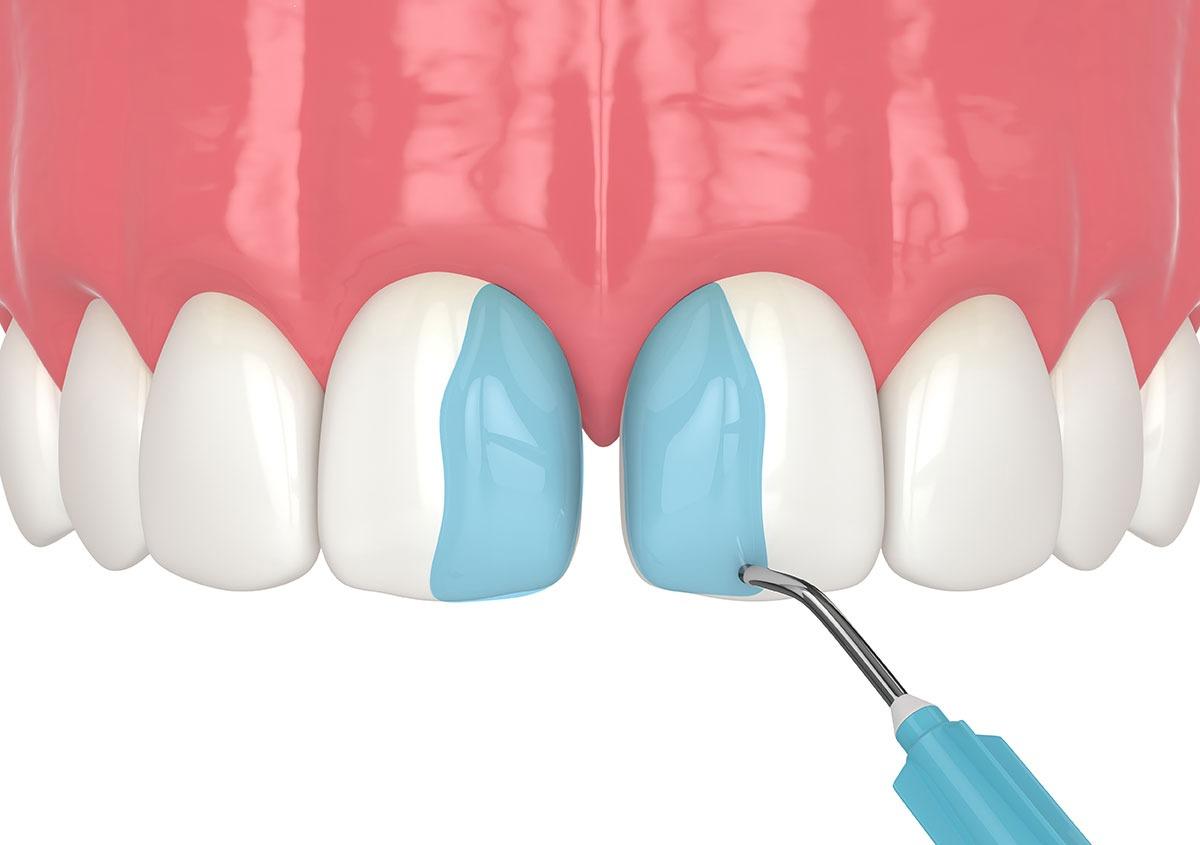
Dental veneers are thin, custom-made shells designed to cover the front surface of teeth. They are bonded permanently to improve color, shape, size, and alignment. Veneers are mainly used for cosmetic purposes but also offer light protection to damaged enamel. They are carefully crafted to match natural teeth for a seamless look. Modern veneers are strong, durable, and highly aesthetic. Their popularity comes from the dramatic smile transformation they provide.
Types of Dental Veneers
There are different types of veneers, each offering unique benefits and limitations. The choice depends on budget, dental condition, and cosmetic goals. Some veneers are more durable, while others are more conservative. Understanding these options helps patients make informed decisions. Dentists recommend different types based on tooth structure and smile needs. Selecting the right veneer type impacts longevity and appearance.
Porcelain Veneers
Porcelain veneers are the most durable and natural-looking option available. They closely mimic the light-reflecting properties of real enamel. These veneers resist staining from coffee, tea, and smoking. A small amount of enamel is removed to ensure proper fit and bonding. Porcelain veneers typically last over a decade with good care. They are ideal for patients seeking long-term cosmetic results.
Composite Veneers
Composite veneers are made from tooth-colored resin material applied directly to teeth. They usually require minimal enamel removal compared to porcelain veneers. The procedure is faster and often completed in a single visit. However, composite veneers are more prone to staining and chipping. They generally last fewer years than porcelain veneers. This option is suitable for minor cosmetic corrections and budget-conscious patients.
No-Prep or Minimal-Prep Veneers
No-prep veneers require little to no enamel removal, making them less invasive. They are thinner than traditional veneers and preserve more natural tooth structure. Not all patients qualify due to bite and spacing limitations. These veneers may feel bulkier in some cases. While marketed as reversible, removal may still require ongoing coverage. They are best for patients with small or recessed teeth.
What Does “Permanent” Really Mean in Dentistry?

In dentistry, permanent often means irreversible changes to natural teeth. Procedures like veneers permanently alter enamel structure. While restorations may need replacement, the tooth modification remains. This distinction is important for patient understanding. Veneers commit teeth to lifelong cosmetic maintenance. Knowing this helps patients avoid unrealistic expectations.
Are Veneers Permanent?
Veneers themselves are not permanent restorations. However, the tooth preparation required makes the process irreversible. Once enamel is removed, teeth will always need coverage. Veneers must eventually be replaced due to wear or damage. This makes veneers a long-term commitment rather than a temporary fix. Patients should be prepared for future maintenance.
Why Tooth Enamel Removal Matters
Enamel protects teeth from sensitivity and decay. Veneer placement often requires removing a thin enamel layer. This ensures a natural fit and strong bonding. Enamel does not regenerate once removed. Without enamel, teeth become more vulnerable. That is why veneers are considered irreversible.
Can Veneers Be Removed?
Veneers can be removed, but teeth will not return to their original state. After removal, teeth may appear smaller or sensitive. Replacement veneers or restorations are usually required. Leaving teeth uncovered is not recommended. Removal is typically done only when replacing old veneers. This reinforces the permanent nature of the decision.
Lifespan of Dental Veneers
Veneers are designed to last many years but not forever. Their lifespan depends on material quality and oral care. Good hygiene and dental visits extend durability. Eventually, all veneers require replacement. Understanding lifespan helps with long-term planning. Veneers are an investment, not a one-time solution.
Porcelain Veneers Lifespan
Porcelain veneers usually last 10 to 15 years or longer. They resist stains and maintain color stability. Their strength makes them suitable for daily use. Proper care significantly extends their lifespan. Avoiding hard foods helps prevent fractures. Many patients enjoy long-term satisfaction with porcelain veneers.
Composite Veneers Lifespan
Composite veneers typically last 5 to 7 years. They are more vulnerable to wear and discoloration. Repairs are easier compared to porcelain veneers. However, frequent touch-ups may be required. Their shorter lifespan affects long-term cost. They are best for temporary or minor cosmetic needs.
Factors That Affect Veneer Longevity
Several factors influence how long veneers last. Daily habits play a major role in durability. Oral health condition also matters greatly. Dental skill and material quality are crucial. Protective measures can prevent damage. Understanding these factors helps preserve veneers longer.
Oral Hygiene Habits
Good oral hygiene prevents decay around veneers. Brushing and flossing protect gums and tooth margins. Poor hygiene can cause gum recession. This exposes veneer edges and weakens bonding. Non-abrasive toothpaste is recommended. Clean veneers last longer and look better.
Diet and Lifestyle Choices
Frequent consumption of staining foods affects veneers. Smoking increases discoloration and gum issues. Chewing ice or hard objects risks cracking. Acidic foods may weaken bonding cement. Lifestyle habits directly impact veneer lifespan. Making mindful choices protects your investment.
Teeth Grinding and Clenching
Grinding places excessive pressure on veneers. This can cause fractures or loosening. Many patients grind unknowingly during sleep. Dentists often recommend night guards. Managing bruxism significantly extends veneer life. Protection is essential for long-term success.
Dental Skill and Materials
Experienced dentists ensure precise veneer placement. High-quality materials improve durability and aesthetics. Poor technique leads to early failure. Customization ensures natural appearance. Proper bonding is critical for longevity. Skill directly affects patient satisfaction.
Are No-Prep Veneers Permanent?
No-prep veneers involve minimal tooth alteration. However, they are not always reversible. Teeth may still need ongoing cosmetic coverage. Not all smiles suit this option. Thickness may affect bite alignment. They are less invasive but still long-term.
Benefits of Veneers Despite Their Permanence

Veneers offer dramatic aesthetic improvements. They correct multiple issues at once. Results are long-lasting and confidence-boosting. Modern veneers look natural and seamless. Many patients feel life-changing benefits. Permanence is often worth the outcome.
Dramatic Smile Transformation
Veneers instantly improve tooth shape and color. Gaps, chips, and stains disappear. The smile becomes uniform and symmetrical. Results are visible immediately after placement. This transformation boosts self-esteem. It is one of veneers’ biggest advantages.
Natural Appearance
Veneers are designed to mimic natural enamel. They reflect light similarly to real teeth. Custom shading enhances realism. Proper contouring ensures harmony with facial features. People rarely notice veneers when done well. Natural aesthetics increase patient satisfaction.
Stain Resistance
Porcelain veneers resist common stains effectively. Coffee, tea, and wine have minimal effect. This keeps smiles bright for years. Unlike natural enamel, stains do not penetrate porcelain. Regular cleaning maintains shine. Stain resistance is a major benefit.
Boost in Confidence
A beautiful smile improves self-image. Patients feel more comfortable smiling and speaking. Social and professional interactions improve. Confidence often leads to positive life changes. Many patients report emotional benefits. Veneers impact more than just appearance.
Risks and Drawbacks of Veneers
Veneers involve permanent enamel removal. Sensitivity may occur initially. Costs can be significant. Replacement is inevitable over time. Not all dental issues are suitable for veneers. Understanding risks ensures informed decisions.
Permanent Enamel Loss
Enamel removal cannot be reversed. Teeth become dependent on restorations. This is a lifelong commitment. Improper care may cause complications. Patients must understand this clearly. It is the most critical consideration.
Tooth Sensitivity
Sensitivity may occur after enamel removal. Hot and cold foods can trigger discomfort. Sensitivity often decreases over time. Desensitizing products help manage symptoms. Proper placement reduces risks. Most patients adapt successfully.
Cost Considerations
Veneers can be expensive per tooth. Insurance usually does not cover cosmetic treatments. High-quality materials increase cost. Replacement adds future expenses. Long-term planning is important. Budgeting avoids financial stress.
Replacement Costs
Veneers will eventually wear out. Replacement involves additional dental work. Costs may equal or exceed initial placement. Regular care delays replacement. Planning ahead is essential. Veneers are a long-term financial commitment.
Are Veneers Right for Everyone?
Not everyone is a suitable candidate. Healthy gums and teeth are required. Severe bite problems may prevent placement. Unrealistic expectations lead to dissatisfaction. A thorough dental evaluation is necessary. Personalized treatment ensures success.
Veneers vs. Crowns: A Permanence Comparison
Crowns cover the entire tooth structure. They require more enamel removal. Veneers are more conservative. Crowns provide greater strength for damaged teeth. Both are irreversible treatments. Choice depends on dental condition.
Veneers vs. Bonding
Bonding is less invasive and affordable. It is suitable for minor imperfections. Bonding stains and wears faster. Veneers offer superior durability. Bonding may require frequent repairs. Veneers provide long-term aesthetics.
Veneers vs. Teeth Whitening
Whitening improves tooth color only. It does not fix shape or alignment. Results are temporary. Veneers correct multiple cosmetic issues. Whitening is non-invasive. Veneers offer comprehensive transformation.
What Happens When Veneers Need Replacement?
Old veneers are carefully removed. Teeth are cleaned and evaluated. New impressions are taken. Replacement veneers are bonded. Teeth must always remain covered. The process maintains smile aesthetics.
Caring for Veneers Long Term
Proper care preserves veneer appearance. Daily hygiene is essential. Regular checkups prevent complications. Protective habits reduce damage. Maintenance ensures longevity. Commitment leads to lasting results.
Daily Oral Care
Gentle brushing protects veneers and gums. Flossing prevents plaque buildup. Non-abrasive toothpaste is recommended. Mouthwash maintains oral health. Good habits prevent decay. Clean veneers look better longer.
Regular Dental Checkups
Dental visits detect early issues. Professional cleaning maintains gum health. Dentists assess veneer integrity. Adjustments prevent failure. Early intervention saves costs. Routine care is essential.
Protective Measures
Night guards protect against grinding. Avoid biting hard objects. Sports mouthguards prevent trauma. Protective habits extend veneer life. Prevention is better than repair. Small steps make a big difference.
Psychological and Emotional Considerations
Veneers affect self-perception. Permanence may cause anxiety. Understanding expectations reduces stress. Confidence improves emotional well-being. Patient readiness is important. Emotional satisfaction matters greatly.
Questions to Ask Your Dentist Before Getting Veneers
Asking questions builds trust. Understanding enamel removal is critical. Longevity expectations must be clear. Alternatives should be discussed. Maintenance requirements matter. Informed patients make better choices.
Common Myths About Veneers and Permanence
Many believe veneers last forever. Others think they ruin teeth. Properly placed veneers protect teeth. Maintenance is always required. Education dispels misconceptions. Truth leads to better decisions.
Advances in Veneer Technology
Modern veneers are thinner and stronger. Less enamel removal is required. Digital design improves accuracy. Materials mimic natural enamel better. Technology enhances patient comfort. Results are more predictable.
Making an Informed Decision
Veneers require careful consideration. They are a lifelong commitment. Understanding benefits and risks is essential. Professional consultation is key. Realistic expectations ensure satisfaction. Knowledge leads to confidence.
Final Thoughts
Veneers are best understood as long-term cosmetic restorations rather than truly permanent solutions, because they typically need replacement after many years of use. Although they can dramatically improve the appearance of teeth, the process involves removing a thin layer of enamel, which permanently alters the natural tooth structure. This irreversible preparation means that once you choose veneers, you will always need some form of veneer or restoration on those teeth in the future.
Despite this, veneers offer durable and highly effective cosmetic benefits, including improved color, shape, alignment, and overall smile harmony. With proper oral hygiene, regular dental checkups, and mindful habits, veneers can last 10–15 years or even longer. However, patients should be prepared for eventual maintenance, repairs, or replacement as part of long-term care.