The idea of transforming your smile can be exciting, yet anxiety-inducing. Many patients wonder if they can visualize the results before committing to treatment. Modern dentistry offers a range of solutions that allow patients to preview their new smiles, ensuring expectations align with reality. Smile simulation technology and mock-ups not only build confidence but also improve treatment outcomes. Understanding how these previews work is essential for anyone considering cosmetic or orthodontic procedures. This article explores all aspects of seeing your new smile before treatment begins, including technology, practical tips, and what to expect.
Understanding the Concept of Smile Previews
What is a Smile Preview?
A smile preview is a digital or physical representation of your anticipated results. Dentists use advanced tools to create visualizations based on your current dental structure, facial features, and desired outcomes. This allows patients to “test drive” their new smile before undergoing any procedures. A smile preview bridges the gap between imagination and reality, providing clarity and reassurance. It also allows patients to communicate specific preferences and make informed decisions. By seeing potential results, patients can anticipate changes in teeth alignment, shape, color, and overall facial aesthetics.
Benefits of Seeing Your Smile Before Treatment
- Reduced Anxiety: Knowing the expected outcome eases dental anxiety and increases patient confidence.
- Improved Communication: Patients and dentists can discuss preferences more effectively, minimizing miscommunication.
- Better Decision Making: Helps patients choose among multiple treatment options with a clearer understanding of results.
- Customized Treatment: Dentists can plan procedures more accurately, resulting in smoother, more predictable outcomes.
- Motivation: Seeing potential results can inspire patients to follow through with treatment plans and oral care routines.
Methods to Visualize Your Smile
Digital Smile Design (DSD)
Digital Smile Design is a modern approach that uses computer software to simulate the outcome of cosmetic procedures. Photos, videos, and scans of your teeth and face are used to create a detailed 3D model. The dentist can adjust tooth size, shape, color, and alignment to produce a realistic preview. This allows patients to see multiple treatment options, including veneers, crowns, and orthodontics. DSD is highly accurate and widely used for smile makeovers. Its interactive nature enables patients to provide immediate feedback.
Mock-Up Models
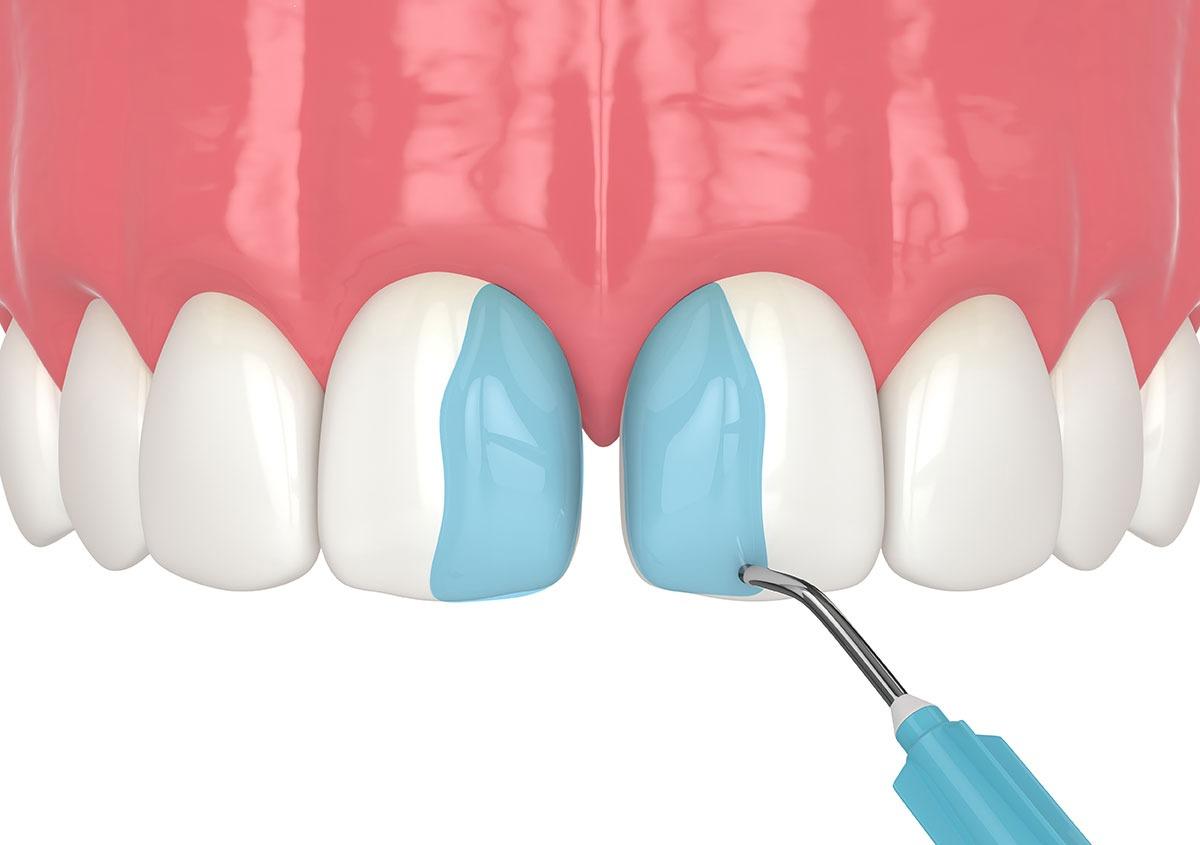
Mock-ups involve creating temporary versions of your proposed dental work directly in your mouth. Dentists may use resin or composite materials to mimic the final outcome. These models help patients understand how their teeth will look and feel. Mock-ups are especially useful for procedures like veneers, bonding, and bridges. They provide a tactile experience, giving insight into bite, comfort, and aesthetics. Patients can approve or request adjustments before permanent procedures begin.
3D Printing Technology
3D printing allows dentists to create highly accurate models of your future smile. After scanning your mouth, a precise 3D-printed model is created, reflecting the intended changes. This model helps patients visualize the results from multiple angles. 3D printing also facilitates trial fittings, improving accuracy and reducing errors during actual treatment. It’s particularly helpful for orthodontics, implant planning, and complex cosmetic cases. Combined with digital design, 3D printing ensures both precision and patient satisfaction.
Virtual Reality (VR) and Augmented Reality (AR)
VR and AR technologies are revolutionizing smile previews. With these tools, patients can see realistic simulations in real-time using headsets or smartphone apps. These simulations account for facial expressions, lighting, and movement. VR allows patients to experience their new smile in various contexts, such as speaking or smiling in photographs. AR overlays digital enhancements on live images, giving a dynamic preview. These immersive technologies improve decision-making and provide a futuristic, interactive experience.
Applications in Different Dental Treatments

Cosmetic Dentistry
Cosmetic dentistry procedures such as veneers, teeth whitening, and bonding benefit greatly from smile previews. Patients can visualize tooth shape, size, and color adjustments. This ensures the final results align with personal aesthetic goals. Dentists can also create multiple design options for comparison. By previewing outcomes, patients feel more confident and satisfied with the cosmetic transformation.
Orthodontics
Orthodontic treatments, including braces and Invisalign, allow patients to see projected teeth alignment over time. Software can simulate tooth movement, showing intermediate and final positions. This helps patients understand the duration and progression of treatment. It also improves adherence to orthodontic care instructions, as patients can see tangible results. Invisalign, in particular, offers digital smile simulations as part of its treatment planning.
Restorative Dentistry
For crowns, bridges, and implants, visualizing results ensures functional and aesthetic compatibility. Smile previews can highlight occlusion (bite) changes, gum health, and tooth positioning. This reduces surprises and helps patients plan for lifestyle or dietary adjustments. Mock-ups and 3D-printed models are particularly useful for complex restorative procedures. Patients gain confidence knowing that their investment will achieve desired results.
Full-Mouth Rehabilitation
Patients requiring extensive treatment involving multiple procedures benefit immensely from smile simulations. Seeing the entire transformation before beginning treatment allows for strategic planning. It ensures consistency in aesthetics, bite alignment, and facial proportions. Full-mouth previews also help patients prioritize procedures and understand the expected time frame. This comprehensive approach reduces risk and enhances patient satisfaction.
Patient Experience and Expectations
Setting Realistic Expectations
While technology is advanced, it’s essential for patients to understand that previews are approximations. Slight variations may occur due to natural tooth movement, healing, or procedural limitations. Discussing expectations openly with the dentist prevents disappointment. Understanding the scope and limitations of smile simulations ensures realistic outcomes. Patients should focus on overall improvement rather than perfect replication.
Psychological Impact of Seeing a New Smile
Visualizing the future smile can have a profound psychological effect. It can boost confidence, reduce anxiety, and motivate adherence to dental care routines. Patients often feel excited and empowered to make treatment decisions. Seeing a tangible goal helps create a positive mindset throughout the treatment process. This emotional preparation contributes to overall satisfaction with the results.
Patient Involvement in Planning
Smile previews encourage active patient participation in treatment planning. Patients can choose specific tooth shapes, shades, and alignments. They can also provide feedback on comfort and bite adjustments. This collaboration ensures the final result reflects the patient’s personal style and preferences. Active involvement leads to higher satisfaction and reduces the likelihood of post-treatment regrets.
Limitations and Considerations
Technical Limitations
Even the most advanced simulations may not account for all variables, such as tissue response, natural aging, or minor bite adjustments. Patients should view previews as a guide rather than a guarantee. Dentists will adjust treatment plans as needed during procedures. Understanding these limitations prevents unrealistic expectations.
Cost Considerations
Advanced smile preview technologies may involve additional costs. Digital Smile Design, VR simulations, and 3D printing may not be included in standard treatment fees. Patients should discuss costs upfront to avoid surprises. While expensive, these tools often save money in the long run by reducing errors and revisions.
Time Investment
Creating a detailed smile preview may require additional appointments and scans. This can extend the planning phase but ensures more predictable results. The time invested in visualization is often worthwhile, providing peace of mind and greater satisfaction. Patients should be prepared for a thorough planning process.
How to Discuss Smile Previews with Your Dentist
Questions to Ask
- What technologies do you use for smile previews?
- Can I see multiple treatment options?
- How accurate are the simulations?
- Are mock-ups reversible or temporary?
- What costs are associated with previewing my new smile?
Preparing for Your Consultation
Bring photos, concerns, and examples of smiles you admire. Be clear about goals and preferences. Understanding your lifestyle and dental history helps dentists create realistic simulations. Open communication ensures the final treatment plan aligns with your expectations. Being prepared also speeds up the visualization process and improves results.
Making the Most of the Preview
Take notes, ask questions, and consider multiple perspectives. Compare digital designs with mock-ups to ensure consistency. Be honest about what you like or dislike. This collaborative approach maximizes the value of smile previews and ensures you achieve your ideal smile.
Real-Life Examples and Case Studies
Case Study 1: Veneers
A patient seeking brighter, more symmetrical teeth underwent a Digital Smile Design session. Multiple simulations were reviewed, leading to minor adjustments in tooth length and spacing. After veneers were placed, the results closely matched the final preview, with the patient expressing high satisfaction. This case highlights the value of technology in achieving predictable cosmetic outcomes.
Case Study 2: Invisalign
A teenage patient received an Invisalign treatment plan with a digital simulation showing progressive tooth movement. The simulation helped the patient understand treatment duration and aligner schedule. Compliance improved significantly, resulting in a smooth transition from misaligned to properly aligned teeth. This demonstrates the motivational benefit of visualizing orthodontic progress.
Case Study 3: Full-Mouth Rehabilitation
A patient requiring crowns, bridges, and implants utilized both mock-ups and 3D-printed models. The previews allowed adjustments in bite and aesthetics before permanent procedures. The result was a harmonious, natural-looking smile with minimal complications. This underscores the importance of comprehensive planning in complex cases.
Future Trends in Smile Previews
Artificial Intelligence (AI) Integration
AI is enhancing predictive accuracy in smile simulations. AI algorithms analyze thousands of dental outcomes to suggest optimal designs. This can improve treatment precision and reduce trial-and-error adjustments. AI-driven simulations also allow faster creation of previews and customized suggestions based on facial structure and personality.
Personalized 3D Printing
Advancements in 3D printing may allow patients to take home temporary versions of their new smile. This could enhance decision-making and improve comfort with upcoming procedures. Personalized 3D models can also be used to rehearse treatments and refine aesthetics. This hands-on approach adds a new dimension to patient involvement.
Augmented Reality at Home
AR apps for smartphones may allow patients to see simulated results at home. This will enable remote consultations and provide greater convenience. Patients could test multiple options before visiting the clinic, making the process more interactive and engaging. AR may also serve as an educational tool, helping patients understand treatment steps.
Conclusion
Seeing your new smile before treatment begins is no longer a dream but a reality. Modern technologies like Digital Smile Design, 3D printing, mock-ups, VR, and AR provide accurate, interactive previews. These tools reduce anxiety, improve patient-dentist communication, and increase satisfaction. While previews have limitations and may involve additional cost and time, the benefits far outweigh these considerations. By embracing these advancements, patients can confidently embark on their dental transformation, knowing exactly what to expect.