Maintaining oral health is not just about having a bright smile; it is essential for overall well-being. Regular dental checkups play a critical role in preventing oral diseases and identifying problems early. Many people underestimate the importance of routine visits, often only seeking dental care when pain or discomfort occurs. However, preventive dental care is far more effective than reactive treatment. This article explores the multiple benefits of regular dental checkups, the risks of neglect, and practical tips for maintaining oral health. By understanding their importance, individuals can ensure healthier teeth, gums, and overall physical health.
Understanding Dental Checkups
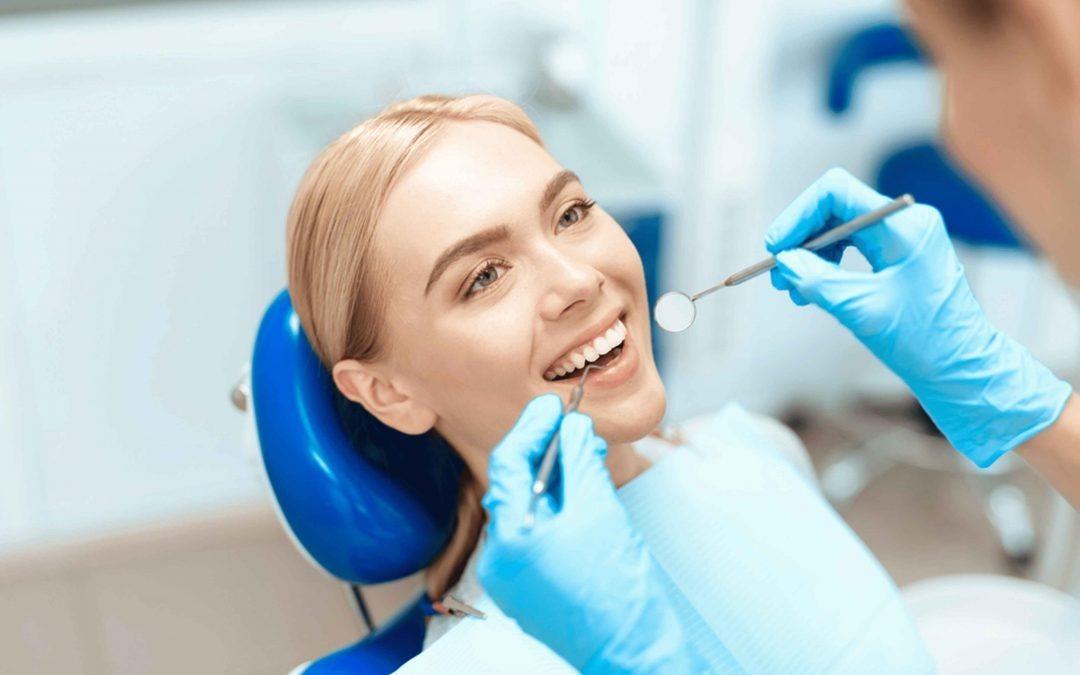
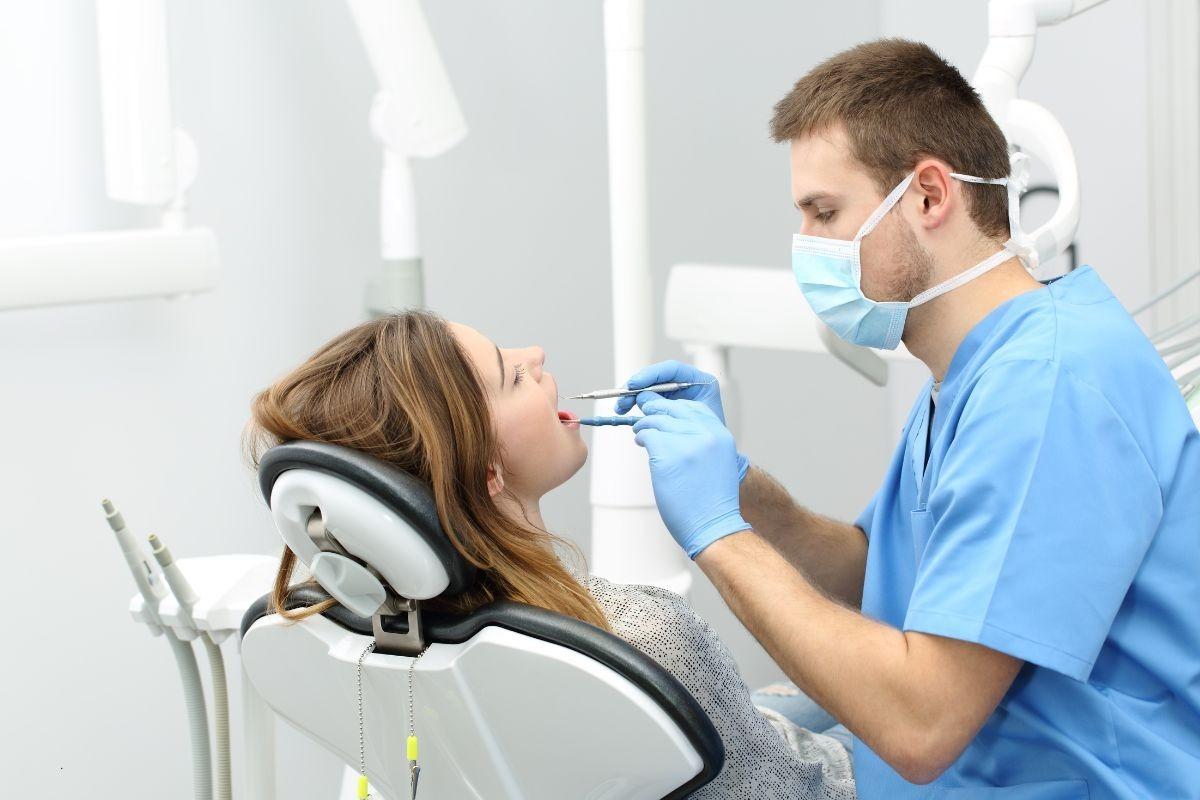
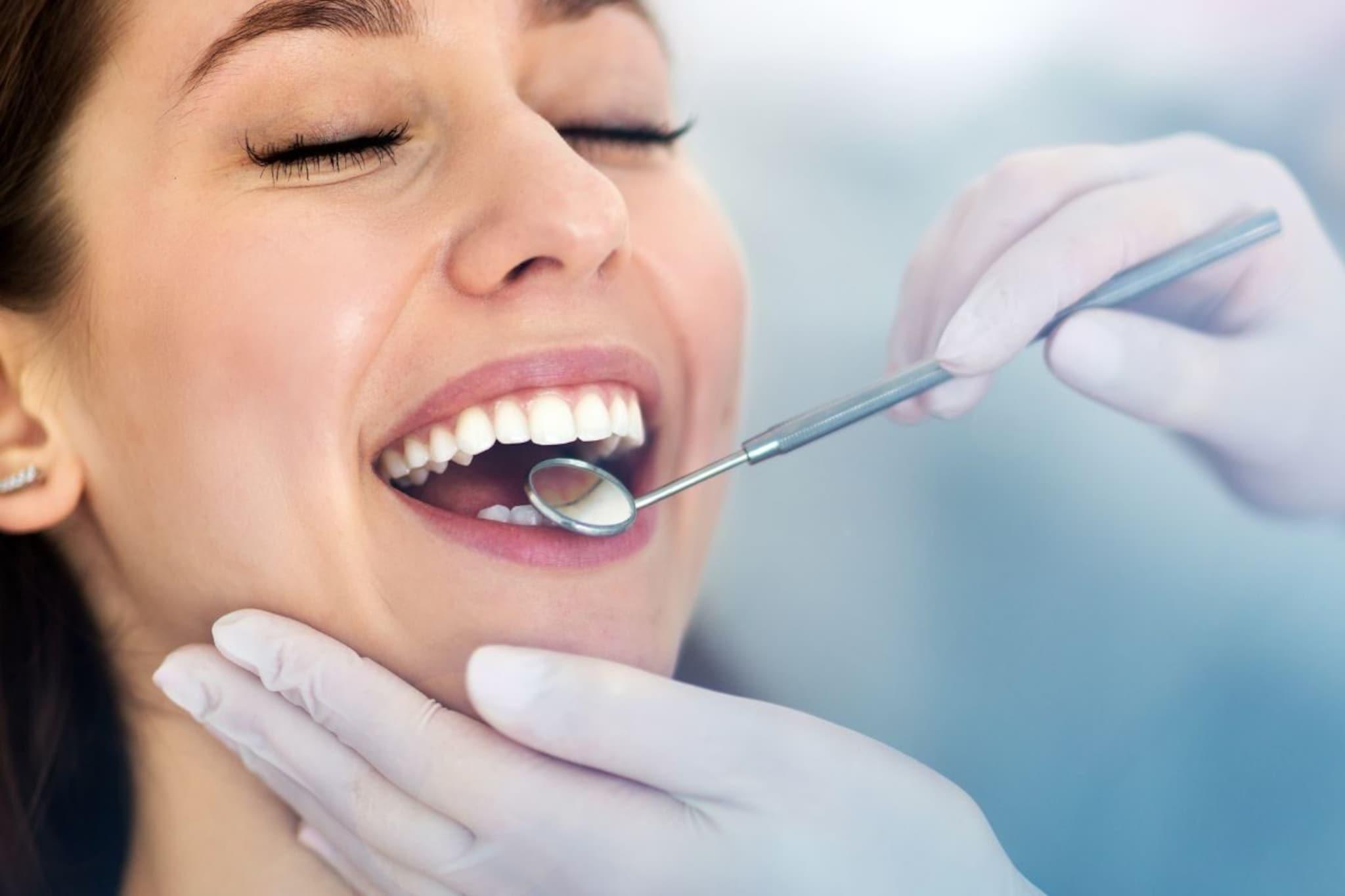
A dental checkup is a routine examination conducted by a professional dentist to assess the health of your teeth, gums, and mouth. During the visit, the dentist checks for cavities, gum disease, oral cancer, and other dental issues that may not show immediate symptoms. These checkups often include professional cleaning, polishing, and sometimes X-rays to detect hidden problems. Regular visits help maintain oral hygiene and prevent more severe complications in the future. Understanding what occurs during a dental checkup can help reduce anxiety and encourage consistent attendance. It is recommended that adults visit the dentist at least twice a year for optimal oral health.
Early Detection of Dental Problems
Regular dental checkups allow for the early detection of oral health issues before they become severe. Problems such as cavities, gum disease, and oral infections can develop silently, causing significant damage if untreated. Early detection means treatment can be simpler, less invasive, and less expensive. Dentists can spot subtle signs of decay or gum inflammation that a patient might not notice. Early intervention prevents further deterioration and reduces the risk of complications like tooth loss or systemic infections. This proactive approach ensures long-term dental health and contributes to overall well-being.
Prevention of Tooth Decay and Cavities
One of the primary benefits of regular dental visits is the prevention of tooth decay and cavities. Professional cleanings remove plaque and tartar buildup that cannot be eliminated through regular brushing and flossing alone. Dentists also apply preventive treatments, such as fluoride varnish or sealants, to protect vulnerable teeth. Regular checkups allow for guidance on proper oral hygiene practices and dietary habits that minimize the risk of decay. Preventing cavities early reduces the likelihood of needing fillings, root canals, or extractions in the future. Maintaining a proactive approach significantly improves oral longevity.
Gum Health and Periodontal Disease Prevention
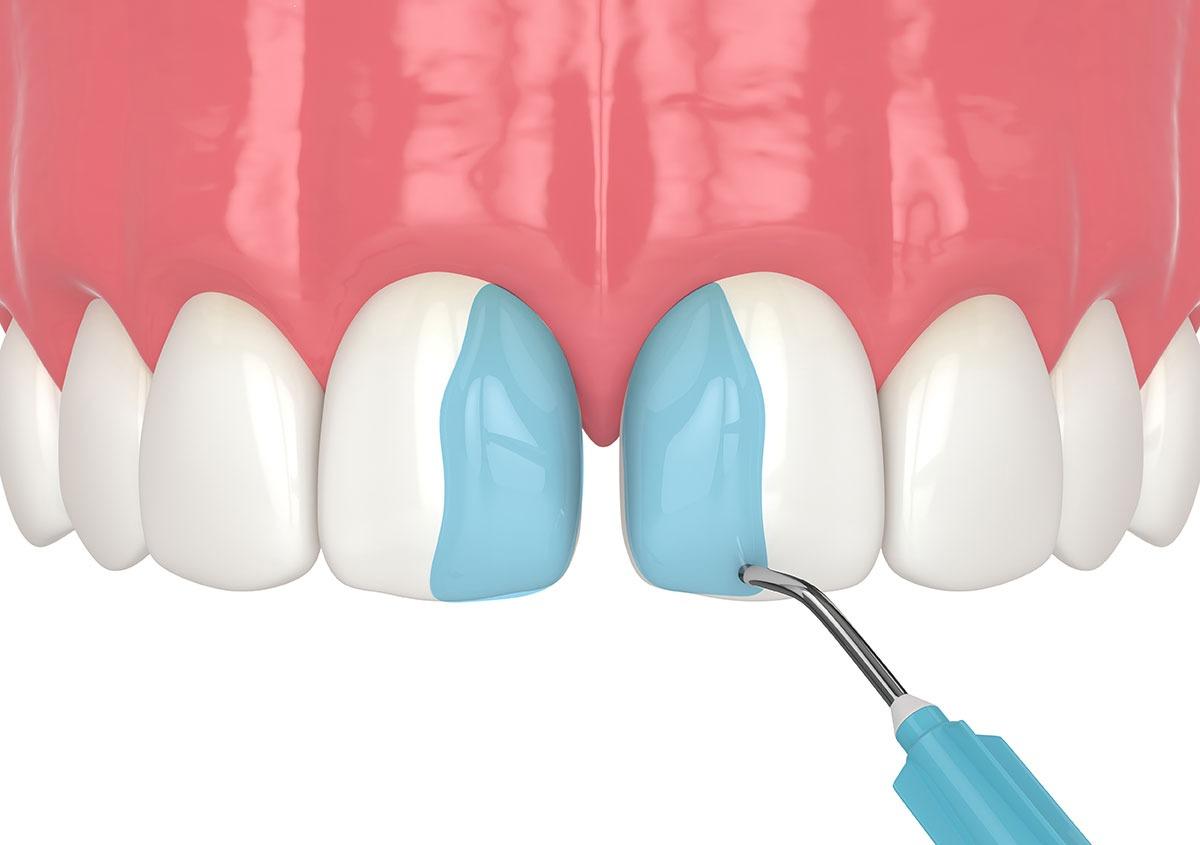
Gum disease, or periodontal disease, is a common but serious dental problem that can lead to tooth loss and other health complications. Regular dental checkups enable dentists to monitor gum health, identify early signs of inflammation, and treat issues promptly. Professional cleanings remove bacteria and plaque that contribute to gum disease. Early intervention can prevent conditions such as gingivitis from progressing into more severe periodontitis. Dentists may also provide personalized advice on brushing, flossing, and using mouth rinses to maintain gum health. Healthy gums are essential not only for teeth stability but also for overall systemic health.
Oral Cancer Screening
Oral cancer is a life-threatening condition that often goes undetected until it reaches advanced stages. During dental checkups, dentists perform oral cancer screenings to identify abnormal tissues or growths. Early detection significantly improves treatment outcomes and survival rates. Dentists examine the tongue, throat, lips, and soft tissues for signs of malignancy. Regular visits are especially crucial for individuals with risk factors such as tobacco or alcohol use. Detecting oral cancer early through routine checkups can save lives and provide timely intervention.
Maintaining Fresh Breath
Bad breath, or halitosis, can be a sign of underlying dental issues such as gum disease, cavities, or infections. Regular dental checkups help identify and address the root causes of persistent bad breath. Professional cleanings remove odor-causing bacteria and debris from the mouth. Dentists may also provide guidance on proper oral hygiene routines, diet, and products that help maintain fresh breath. By addressing problems early, patients can avoid social discomfort and maintain self-confidence. Consistent checkups ensure that oral health issues contributing to halitosis are effectively managed.
Dental X-Rays and Hidden Issues
X-rays are a vital component of regular dental checkups, revealing problems not visible during a routine examination. They help detect cavities between teeth, bone loss, impacted teeth, and abscesses. Dentists can monitor jawbone health and track changes over time using X-ray imaging. Early detection through radiographs allows for less invasive and more effective treatments. Despite concerns about radiation, modern dental X-rays use minimal exposure, making them safe for routine monitoring. Utilizing X-rays as part of preventive care ensures comprehensive oral health management.
Education and Personalized Advice
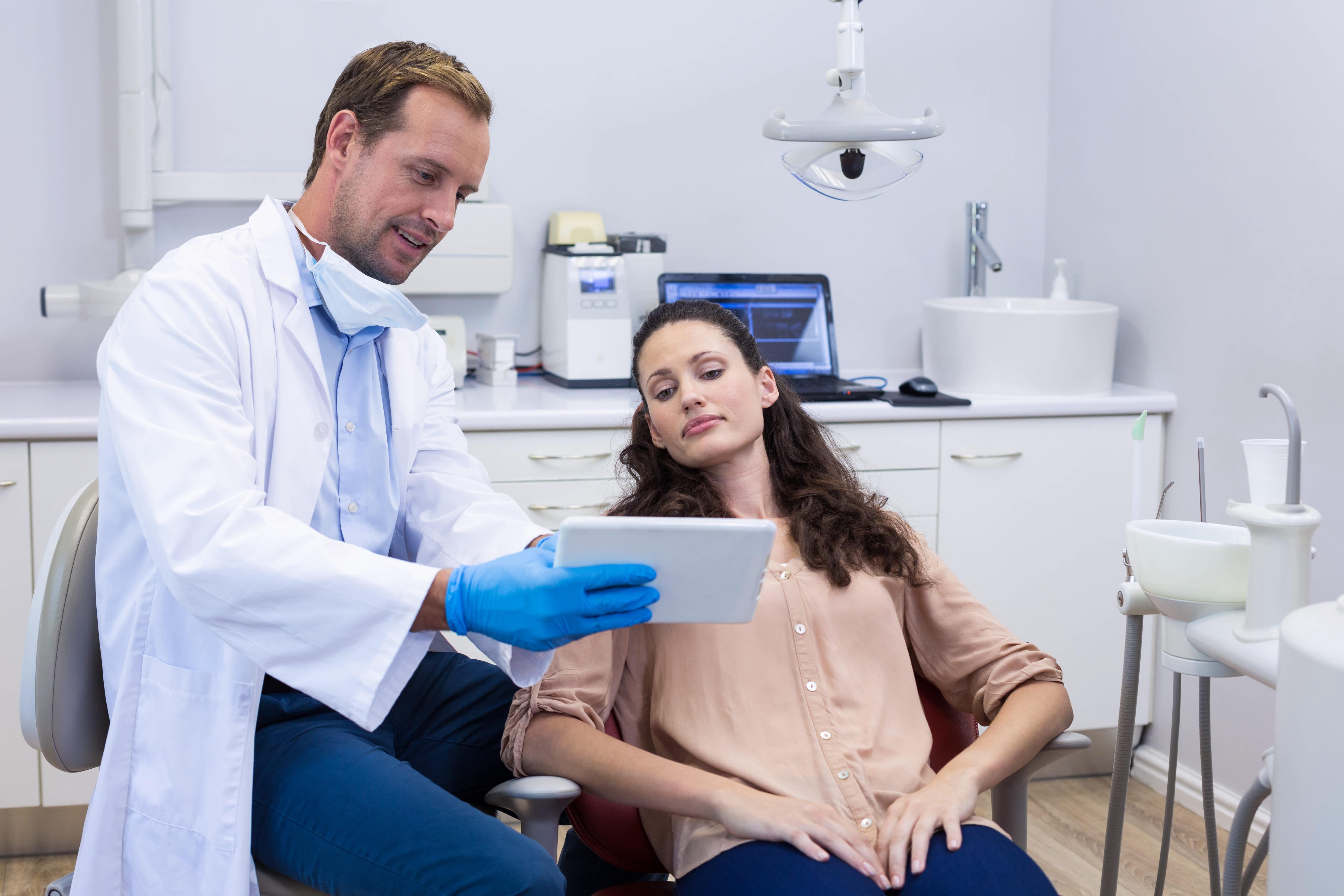
Dental checkups provide an opportunity for personalized education and guidance on oral care. Dentists can offer advice on brushing techniques, flossing, diet, and the use of dental products tailored to individual needs. Patients receive recommendations based on their specific oral health conditions, lifestyle, and risk factors. Educational discussions during checkups encourage better self-care practices at home. This guidance empowers patients to prevent problems before they occur. Personalized advice ensures that each patient maintains optimal oral health according to their unique needs.
Cost-Effectiveness of Preventive Care
Regular dental checkups are an investment in long-term oral health and can save significant costs over time. Preventive care is generally less expensive than treatments for advanced dental problems like root canals, crowns, or periodontal surgery. Detecting and treating issues early reduces the risk of complicated and costly procedures. Insurance plans often cover routine checkups, making preventive care even more accessible. By attending regular visits, patients avoid the financial burden of emergency treatments. Preventive dental care ultimately proves to be both health-wise and economically beneficial.
Reducing the Risk of Systemic Health Issues
Oral health is closely linked to overall health, and untreated dental problems can contribute to systemic diseases. Conditions such as diabetes, heart disease, and respiratory infections have been linked to poor oral hygiene. Regular dental checkups help maintain healthy teeth and gums, which in turn support general health. Dentists can identify warning signs of systemic issues manifested in the mouth. Preventive care can reduce the risk of complications associated with these diseases. Maintaining oral health is a crucial component of holistic wellness and long-term vitality.
Managing Dental Anxiety
Many individuals avoid dental visits due to fear or anxiety, which can worsen oral health over time. Regular checkups help reduce anxiety by familiarizing patients with dental procedures and building trust with the dentist. Dentists often provide strategies to make visits more comfortable, including sedation options and relaxation techniques. Early intervention and routine care prevent more invasive procedures that may increase fear. Educating patients about the benefits of regular visits can alleviate concerns. Overcoming dental anxiety ensures consistent preventive care and improved oral outcomes.
Special Considerations for Children
Children require regular dental checkups to ensure proper development of teeth and gums. Pediatric dentists monitor the growth of permanent teeth, detect early signs of decay, and provide preventive treatments such as fluoride applications and sealants. Early dental visits help instill good oral hygiene habits from a young age. Parents receive guidance on proper brushing, diet, and managing habits like thumb-sucking. Regular visits reduce the likelihood of cavities, misaligned teeth, and other complications. Pediatric dental care establishes a foundation for lifelong oral health and confidence.
Dental Checkups for Seniors
As people age, oral health needs change, and regular dental checkups remain essential. Seniors are at higher risk for gum disease, tooth loss, dry mouth, and oral cancer. Dentists monitor these conditions and provide treatment options that accommodate age-related changes. Regular checkups help manage dentures, implants, and oral hygiene practices specific to older adults. Preventive care can reduce pain, improve nutrition, and enhance overall quality of life. Consistent dental visits ensure that seniors maintain healthy, functional teeth and a confident smile.
The Role of Technology in Modern Checkups
Advancements in dental technology have enhanced the effectiveness of regular checkups. Digital X-rays, intraoral cameras, and laser diagnostics allow for precise detection of issues at an early stage. Technology also improves patient education through visual demonstrations of oral problems. Modern tools reduce discomfort during procedures and provide more accurate treatment planning. Technological innovations have made dental care more efficient, comfortable, and effective. Incorporating these tools into regular checkups maximizes the benefits of preventive care.
Signs You Shouldn’t Delay a Checkup
Even with routine visits, certain symptoms require prompt attention. Persistent tooth pain, bleeding gums, swelling, or changes in oral tissues are warning signs of underlying issues. Delaying a checkup when symptoms arise can lead to complications requiring more invasive treatment. Regular monitoring allows dentists to respond to problems early and prevent deterioration. Understanding these signs empowers patients to act quickly and protect their oral health. Immediate consultation ensures timely intervention and effective management.
Lifestyle and Dietary Considerations
Lifestyle habits and diet significantly impact oral health, and regular dental checkups provide tailored advice. Dentists can guide patients on reducing sugar intake, avoiding harmful habits like smoking, and selecting tooth-friendly foods. Proper nutrition supports strong teeth, healthy gums, and overall oral wellness. Dental visits reinforce the importance of hydration, balanced diets, and limiting acidic or sugary drinks. Personalized dietary recommendations help prevent cavities, gum disease, and enamel erosion. Incorporating professional guidance into daily routines optimizes oral health outcomes.
Conclusion
Regular dental checkups are a cornerstone of maintaining oral and overall health. They allow early detection of problems, prevention of disease, and education on proper hygiene practices. From children to seniors, consistent dental visits ensure healthy teeth, gums, and confident smiles. Preventive care reduces treatment costs, minimizes complications, and promotes long-term well-being. Ignoring routine checkups can lead to serious oral and systemic health issues. Prioritizing regular dental visits is a simple yet powerful step toward lifelong oral health and improved quality of life.