Pacifiers can be a valuable tool for soothing infants and helping them feel secure. They provide comfort, aid in sleep, and even reduce the risk of sudden infant death syndrome (SIDS) when used appropriately. However, prolonged pacifier use can have consequences for dental development, speech, and overall oral health. Knowing when and how to wean your child off a pacifier is essential for both their physical and emotional development. This guide explores the benefits of pacifiers, the risks of extended use, signs it’s time to stop, strategies for weaning, and tips for maintaining healthy habits.
Understanding Pacifier Use
Benefits of Pacifier Use in Infants
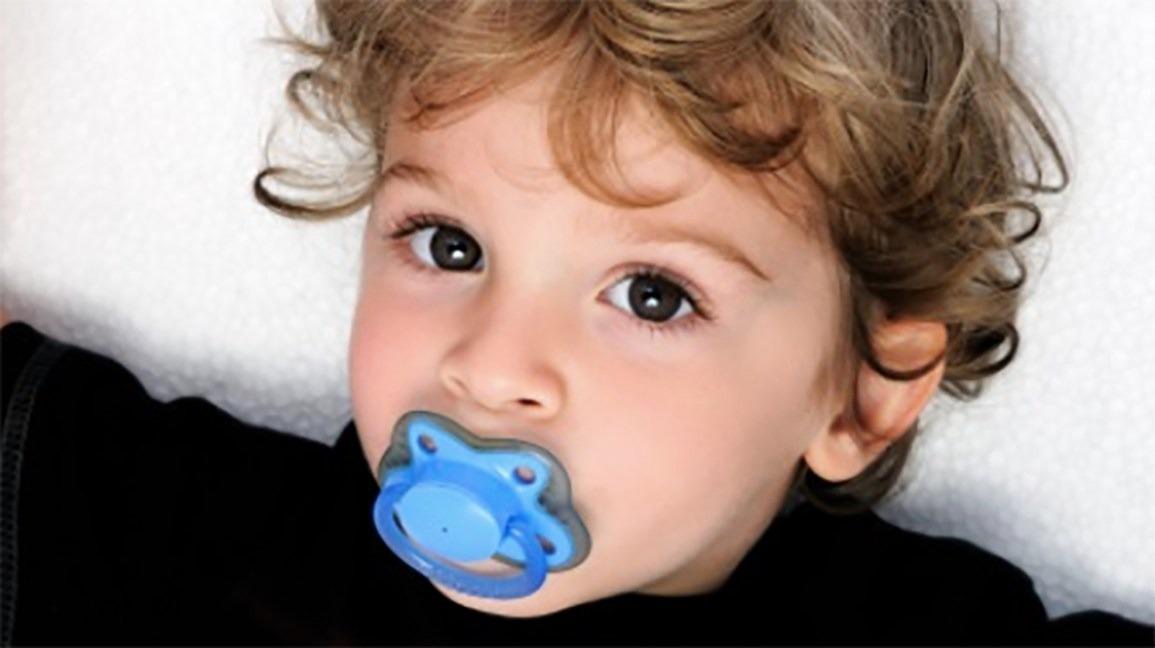
Pacifiers provide several advantages in early childhood. They help calm fussy babies, satisfy the natural sucking reflex, and can promote longer sleep. Some studies suggest that pacifier use during naps or nighttime may reduce the risk of SIDS in infants under one year. They are also helpful in stressful situations, such as doctor visits or travel. When used appropriately, pacifiers serve as a safe comfort tool for infants.
Common Reasons Children Use Pacifiers
Children often use pacifiers for comfort, security, and habit. Babies have a natural sucking reflex that continues after breastfeeding or bottle-feeding. Toddlers may seek pacifiers when anxious, tired, or bored. Understanding why your child uses a pacifier can help guide the weaning process. Emotional support and reassurance often reduce dependency over time.
Risks of Prolonged Pacifier Use
Dental Problems
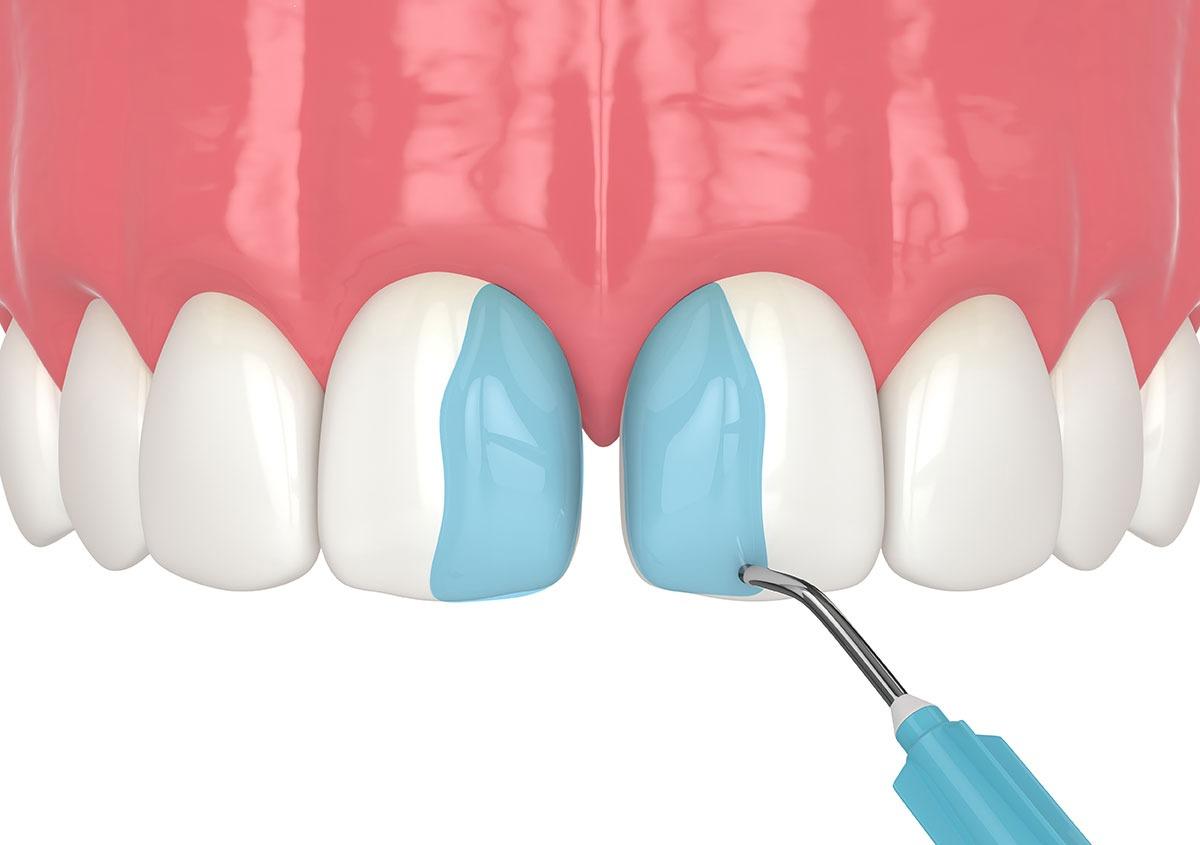
Extended pacifier use, especially beyond the age of 2–3 years, can impact oral health. It can lead to misalignment of teeth, bite issues, or changes in the shape of the palate. Prolonged sucking may also interfere with proper jaw development. Pediatric dentists recommend monitoring pacifier use to prevent these problems. Early intervention ensures that permanent teeth grow correctly.
Speech and Language Development
Using a pacifier for long periods can affect speech development. Continuous use may interfere with learning to pronounce words or forming sounds correctly. Children may rely on pacifiers for comfort instead of practicing speech or communicating verbally. Limiting pacifier use encourages language skills and social interaction.
Ear Infections
Some studies indicate that prolonged pacifier use can increase the risk of middle ear infections. The sucking action may affect pressure in the ear and contribute to fluid buildup. Reducing or eliminating pacifier use can lower this risk. Parents should observe signs of ear discomfort or frequent infections.
Signs It’s Time to Stop Using a Pacifier
Age Considerations
Experts generally recommend beginning the weaning process around 12 months, with a goal of stopping completely by 2–3 years. This timeline helps prevent dental and speech issues while still providing comfort during infancy. Every child is different, so flexibility and observation are key.
Behavioral Signs
If your child starts refusing other comfort methods, or if pacifier use disrupts social interaction and daily activities, it may be time to reduce usage. Resistance during attempts to remove it can also indicate the need for gradual weaning strategies. Observing patterns of dependency helps identify the right approach.
Dental Health Concerns
If a pediatric dentist notices early signs of misaligned teeth, bite issues, or changes in the roof of the mouth, it is a clear signal to stop pacifier use. Early intervention prevents long-term orthodontic problems. Regular dental checkups allow for monitoring pacifier effects and planning the best approach to cessation.
Strategies to Wean Your Child Off a Pacifier
Gradual Reduction
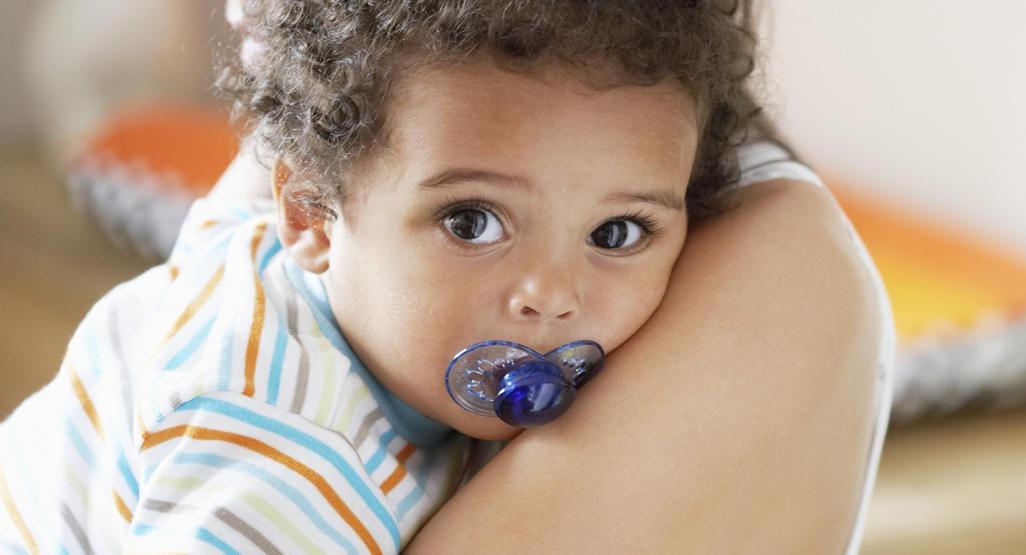
A gradual approach helps children adjust emotionally and physically. Start by limiting pacifier use to specific times, such as bedtime or nap time. Slowly reduce these moments over weeks until the pacifier is no longer necessary. Praise your child for progress to encourage cooperation.
Positive Reinforcement
Reward systems, such as stickers or small treats, can motivate children to give up the pacifier. Celebrate milestones and emphasize independence. Positive reinforcement makes the process enjoyable rather than stressful.
Cold Turkey Method
Some parents prefer immediate removal, known as the “cold turkey” method. This approach works best for older toddlers who understand explanations. It may cause initial resistance or emotional discomfort, but children usually adapt quickly with consistent support.
Alternative Comfort Objects
Introduce new comfort objects, like stuffed animals, blankets, or favorite toys. These can replace the emotional security provided by the pacifier. Transitioning to other comfort tools helps reduce attachment and fosters independence.
Tips for Parents During the Transition
Be Patient and Consistent
Consistency is crucial during the weaning process. Mixed messages can confuse children and prolong dependence. Patience, empathy, and understanding reduce stress for both parents and children.
Prepare Your Child Emotionally
Explain in simple terms why the pacifier will be removed. Reading books or telling stories about “big kids” who no longer need pacifiers helps children understand and accept the change. Emotional preparation reduces anxiety and resistance.
Manage Nighttime Challenges
Pacifier removal can disrupt sleep temporarily. Comfort your child through other soothing methods, such as lullabies, rocking, or gentle back rubs. Maintaining a calm bedtime routine supports adjustment.
Seek Support When Needed
If your child struggles significantly, seek guidance from a pediatrician or pediatric dentist. They can provide practical tips and reassurance for managing the transition. Professional advice ensures the process is safe and effective.
Long-Term Benefits of Stopping Pacifier Use
Improved Dental Health
Ceasing pacifier use reduces the risk of misaligned teeth and bite problems. It supports proper jaw development and healthy oral growth. Early intervention prevents the need for extensive orthodontic treatments later.
Enhanced Speech and Communication
Limiting pacifier use encourages verbal communication and language development. Children can focus on practicing words, sounds, and social interaction. This fosters confidence and improves overall communication skills.
Independence and Emotional Growth
Stopping pacifier use helps children develop coping strategies for comfort and self-soothing. It promotes emotional resilience, independence, and adaptability in various situations. Transitioning away from pacifiers is a milestone in childhood development.
Conclusion
Pacifiers are a useful tool in early childhood, providing comfort and security. However, prolonged use can affect dental health, speech development, and emotional growth. Most experts recommend starting the weaning process around 12 months, with complete cessation by 2–3 years. Gradual reduction, positive reinforcement, or alternative comfort methods can make the transition smoother. With patience, consistency, and proper support, children can give up pacifiers successfully, ensuring healthier teeth, improved communication skills, and emotional independence.
FAQs
At what age should I start weaning my child from a pacifier?
Experts suggest starting around 12 months, with the goal of stopping by 2–3 years.
Can pacifiers affect my child’s teeth?
Yes, prolonged use may cause misaligned teeth, bite issues, or changes in the palate.
What is the best way to stop pacifier use?
Gradual reduction, positive reinforcement, or alternative comfort objects are effective strategies.
Will my child have emotional distress when giving up the pacifier?
Some children may feel anxious, but patience, empathy, and support help them adjust.
Should I consult a dentist about pacifier use?
Yes, regular dental checkups help monitor teeth and jaw development and provide guidance for weaning.