A bright, confident smile can do wonders for your self-esteem and overall appearance. If you’ve ever wished for a more radiant, even, or youthful-looking smile, a smile makeover could be the solution. A smile makeover is a personalized cosmetic dental plan designed to enhance the appearance of your teeth and gums while addressing any functional concerns.
In this article, we’ll explore the different procedures involved in a smile makeover, the benefits you can expect, the typical timeline for treatment, and the results you can look forward to. By the end, you’ll have a clear understanding of how a smile makeover can transform not just your teeth, but your confidence as well.
What Is a Smile Makeover?
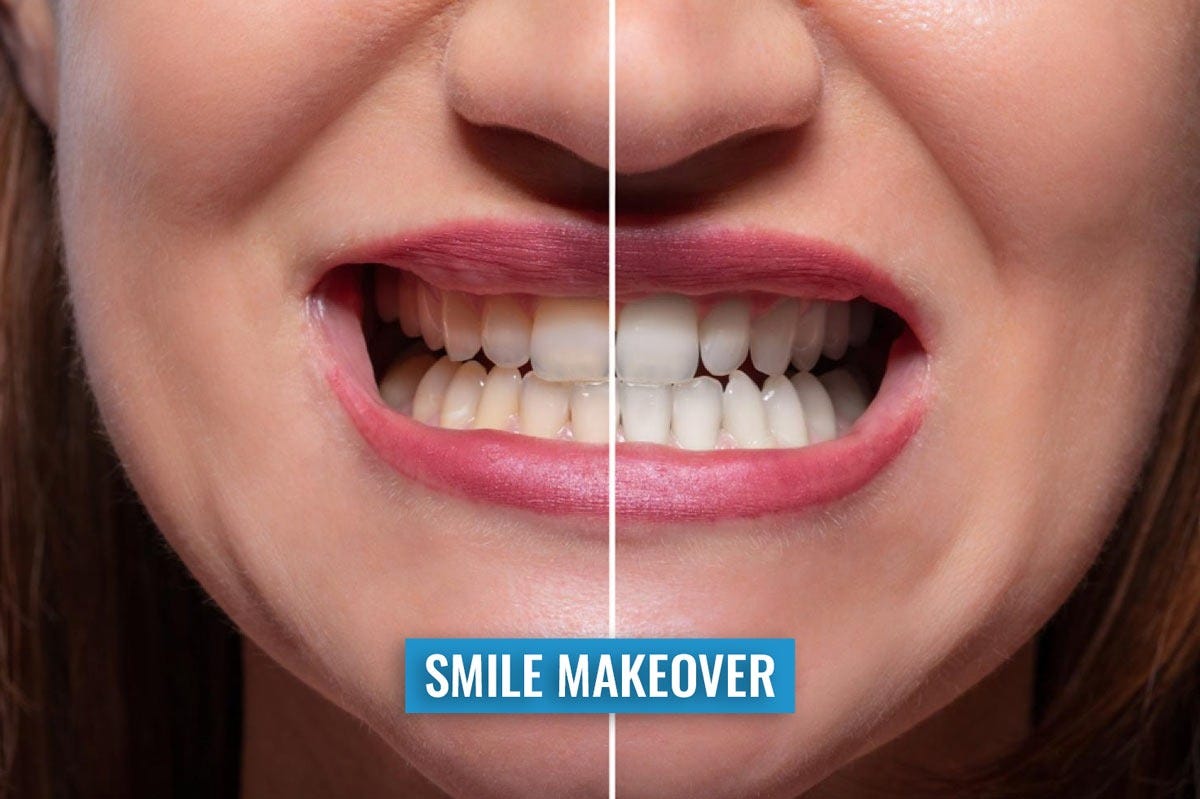
A smile makeover is a combination of cosmetic dental procedures designed to enhance the appearance of your teeth and overall smile. Unlike a one-size-fits-all approach, it is tailored to each individual’s needs, goals, and facial features.
Smile makeovers don’t just focus on aesthetics they also address functional concerns such as bite alignment, tooth wear, and gaps. By improving both the look and function of your teeth, a smile makeover can provide a balanced, healthy, and confident smile that complements your appearance.
Common Procedures Included in a Smile Makeover
A smile makeover often involves a combination of cosmetic and restorative procedures, customized to achieve your desired results. Here’s a closer look at common treatments:
Teeth Whitening
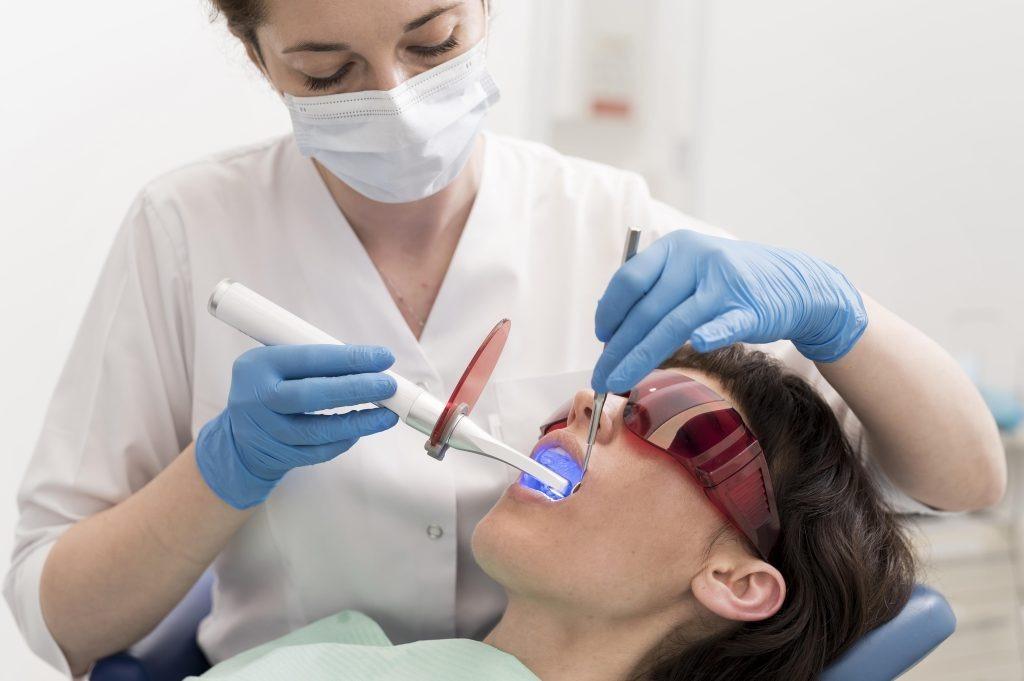
Professional whitening treatments can remove deep stains caused by coffee, tea, smoking, or aging. Options include in-office treatments for immediate results or take-home kits for gradual whitening. Teeth Whitening is often one of the simplest yet most impactful steps in a smile makeover.
Veneers
Veneers are thin porcelain or composite shells bonded to the front of your teeth. They can cover chips, cracks, discoloration, or minor misalignments. Veneers create a perfectly uniform appearance and are highly durable with proper care.
Crowns
Dental crowns fully encase a damaged or weakened tooth to restore strength, function, and appearance. Crowns are often used for teeth that have undergone root canals or have significant decay, providing long-lasting protection.
Dental Implants
Implants are a permanent solution for missing teeth. A titanium post is surgically placed in the jawbone, and a custom crown is attached. Implants look, feel, and function like natural teeth, preserving bone structure and preventing shifting of adjacent teeth.
Dental Bridges
Dental bridges are used to replace missing teeth by filling the gap between neighbouring teeth. They can restore the appearance of your smile and help improve chewing and everyday function. Depending on your dental needs, a bridge may be considered as an alternative to a dental implant
Orthodontics (Braces or Invisalign)
Straightening misaligned teeth improves both the function and aesthetics of your smile. Braces or clear aligners like Invisalign gradually shift teeth into the ideal position. Correct alignment can also prevent excessive wear, jaw pain, and bite issues.
Bonding and Contouring
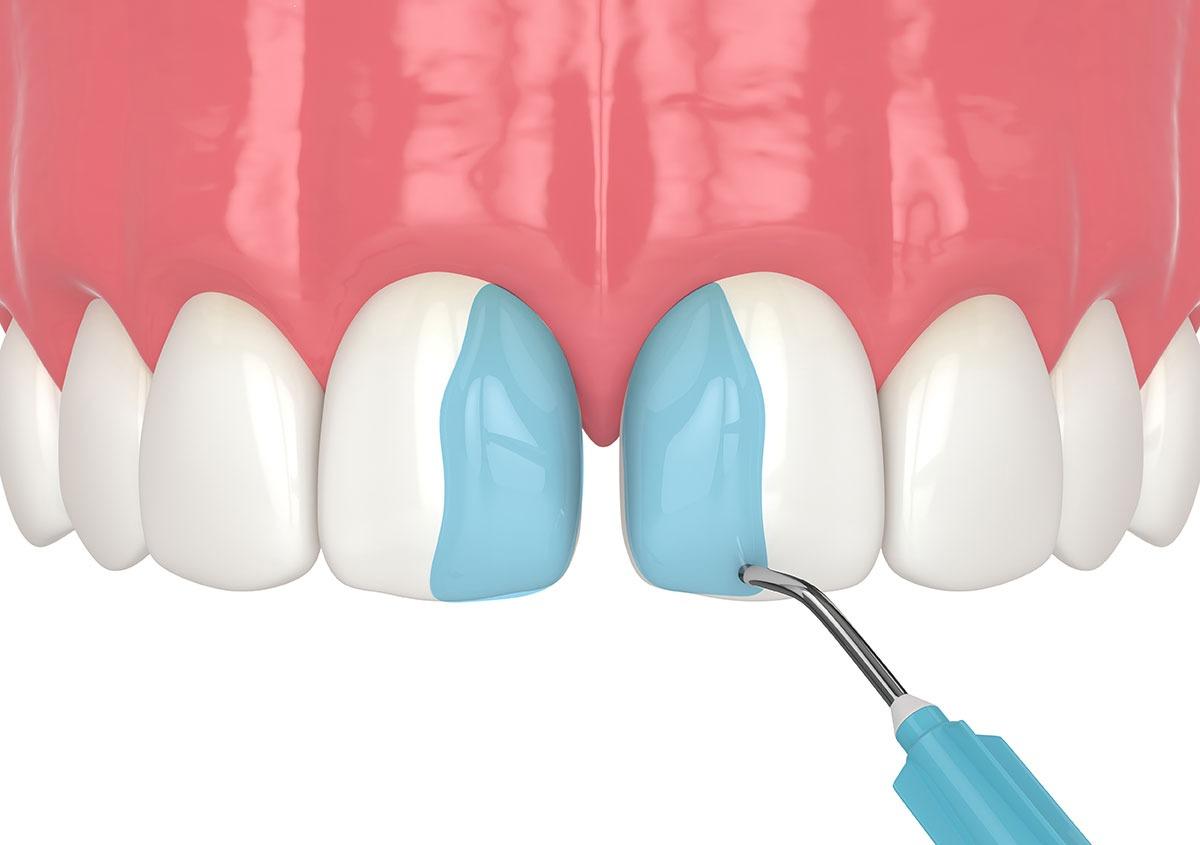
Dental bonding uses tooth-colored resin to fix minor chips, gaps, or discoloration. Contouring reshapes teeth slightly to create symmetry and balance. These procedures are minimally invasive and can often be completed in a single visit.
Gum Reshaping
Uneven or excessive gum tissue can affect smile aesthetics. Gum reshaping, or gingivoplasty, corrects the gum line to create a balanced, proportional look. This procedure is often combined with veneers or crowns for a harmonious result.
Additional Treatments
In some cases, a dentist may include other procedures like enamel microabrasion, tooth jewelry, or laser gum treatments, depending on the patient’s goals.
Each procedure is carefully selected based on your unique dental needs and cosmetic goals. By combining multiple treatments, a dentist can create a comprehensive plan that enhances both the appearance and function of your smile, resulting in a confident, natural-looking transformation.
Who Is a Good Candidate for a Smile Makeover?
A smile makeover isn’t just for anyone it’s most effective for individuals who want to improve the appearance and function of their teeth. Common candidates include:
People with stained, chipped, misaligned, or missing teeth
Cosmetic imperfections like discoloration, cracks, gaps, or missing teeth can be addressed through a combination of procedures such as whitening, veneers, implants, or orthodontics.
Those with uneven gums or bite issues
An uneven gum line or bite problems can affect the harmony and balance of your smile. Treatments like gum reshaping or orthodontics can help correct these concerns.
Patients in good overall oral health
Before undergoing cosmetic procedures, any dental infections, cavities, or gum disease should be treated. A healthy foundation ensures that the results are long-lasting and complications are minimized.
A personalized dental consultation is essential to determine the right approach for your unique needs. During this consultation, a dentist will evaluate your teeth, gums, and bite, discuss your goals, and create a tailored treatment plan. This ensures that your smile makeover not only enhances your appearance but also maintains optimal oral health.
What to Expect During the Consultation
Your smile makeover journey begins with a comprehensive consultation with your dentist. This step is crucial for creating a personalized plan that meets both your aesthetic and functional goals. Here’s what typically happens:
Oral Health Evaluation
The dentist will examine your teeth, gums, bite, and overall oral health to identify any issues that need attention before cosmetic procedures. This may include checking for cavities, gum disease, or signs of wear and damage.
Goal Discussion
You’ll have the opportunity to share your smile goals, concerns, and preferences. Whether you want a brighter smile, straighter teeth, or corrected bite issues, clear communication helps your dentist design a plan tailored to you.
Digital Imaging and Mock-Ups
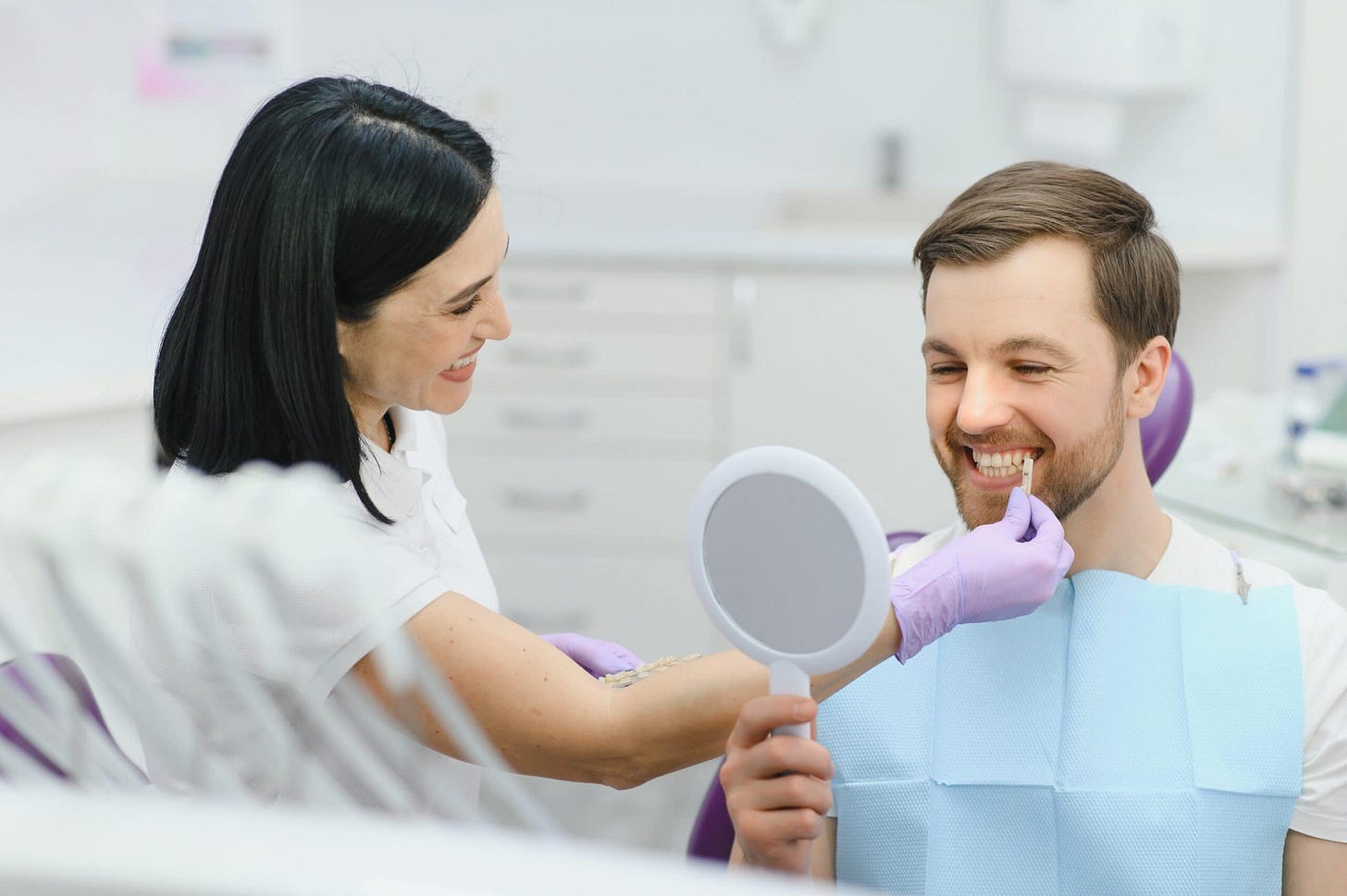
Many dentists use advanced imaging technology or digital mock-ups to show you how potential treatments will look. This allows you to visualize your new smile before any procedures begin.
Treatment Plan Overview
Your dentist will outline the recommended procedures, expected timeline, and an estimated cost. This plan ensures you understand each step and what to expect during your smile makeover journey.
Preliminary Dental Work
In some cases, preliminary treatments such as fillings, cleanings, or periodontal care may be required to ensure a healthy foundation before cosmetic procedures. Addressing these issues first helps maximize the success and longevity of your smile makeover.
By the end of the consultation, you should have a clear understanding of your options, the steps involved, and how your customized plan will transform your smile.
The Smile Makeover Process
A smile makeover is a multi-step journey designed to transform your smile safely and effectively. While each plan is personalize, the process generally follows these steps:
Initial Consultation and Planning
Your dentist evaluates your oral health, discusses your goals, and creates a customized treatment plan. Digital imaging or mock-ups may be used to help you visualize the final results.
Preliminary Treatments
Before cosmetic procedures, any necessary dental work is completed to ensure a healthy foundation. This may include professional cleanings, fillings, gum care, or treatment of cavities or infections. Addressing these issues first ensures long-lasting results.
Cosmetic Procedures
Depending on your treatment plan, this stage may include veneers, crowns, teeth whitening, bonding, orthodontics, or dental implants. Each procedure is performed carefully to achieve both aesthetic and functional improvements.
Adjustments and Final Review
Once the procedures are complete, your dentist will evaluate your results, make any necessary adjustments, and ensure your bite, alignment, and overall smile meet your expectations.
Timeline:
The duration of a smile makeover varies depending on the complexity of the procedures. Some treatments, like whitening or bonding, can be complete in a single visit, while others, such as implants or orthodontics, may take several months. Your dentist will provide a clear timeline during the planning stage.
By following this structured process, a smile makeover ensures both safety and predictability while delivering a beautiful, confident smile.
Benefits of a Smile Makeover
A smile makeover offers more than just cosmetic improvements it can positively impact your oral health, confidence, and overall well-being. Key benefits include:
Enhanced Aesthetics and Self-Confidence
A beautifully aligned, bright smile can dramatically improve your appearance, helping you feel more confident in social and professional situations.
Correction of Functional Issues:
Smile makeovers often address bite problems, misaligned teeth, and missing teeth. Correcting these issues not only enhances appearance but also improves chewing, speech, and long-term oral function.
Long-Lasting Results:
With proper care, the effects of a smile makeover can last for many years. Durable materials like porcelain veneers, crowns, and dental implants are design to withstand daily use while maintaining their appearance.
Improved Oral Health Awareness:
Undergoing a smile makeover often encourages patients to maintain better oral hygiene habits, including regular brushing, flossing, and dental check-ups, which contribute to overall dental health.
Psychological Benefits:
Beyond physical improvements, many patients report reduced self-consciousness, enhanced mood, and a greater willingness to smile and engage socially.
A smile makeover is not just an investment in your teeth it’s an investment in your confidence, health, and quality of life.
Aftercare and Maintenance
To ensure your smile makeover lasts and continues to look its best, proper aftercare is essential. Here are key steps to maintain your new smile:
Daily Oral Hygiene
Continue brushing at least twice a day with a soft-bristled toothbrush and fluoride toothpaste. Floss daily to remove plaque and food particles between teeth, and consider using an antibacterial mouthwash to reduce bacteria and freshen breath.
Avoid Staining Habits
Minimize foods and drinks that can stain teeth, such as coffee, tea, red wine, and berries. Smoking can also discolor restorations and natural teeth, so avoiding tobacco helps preserve your smile.
Regular Dental Check-Ups
Routine dental visits are crucial to monitor the health of your teeth and gums, as well as the condition of cosmetic restorations like veneers, crowns, and implants. Professional cleanings keep your smile bright and prevent potential issues.
Periodic Touch-Ups
Some treatments, such as teeth whitening, may require periodic touch-ups to maintain brightness. By following these maintenance tips, you can enjoy a healthy, beautiful smile for many years and maximize the long-term benefits of your smile makeover.
Cost Considerations
The cost of a smile makeover can vary widely depending on several factors, including the number and type of procedures, the materials used, and the geographic location of your dental clinic. For example, porcelain veneers, dental implants, and orthodontic treatments typically cost more than teeth whitening or bonding. Patients should discuss costs and payment options with their dentist during the consultation to plan effectively.
While the investment in a smile makeover may seem significant, it is important to view it as an investment in your confidence, self-esteem, and long-term oral health. A well-planned smile makeover can improve aesthetics, correct functional issues, and encourage better oral hygiene habits, making the value far greater than the cost.
Conclusion
A smile makeover is a customizable combination of cosmetic and restorative dental treatments designed to enhance both the appearance and function of your teeth. By addressing issues like discoloration, misalignment, missing teeth, or uneven gums, a smile makeover can help you achieve a healthier, more confident smile.
If you’ve been considering improving your smile, scheduling a consultation with a qualified dentist is the first step. During this visit, you can discuss your goals, explore treatment options, and develop a personalized plan tailored to your needs.
Beyond aesthetics, a smile makeover offers lasting personal and social benefits. A confident, radiant smile can boost self-esteem, improve your social interactions, and encourage better oral hygiene habits helping you enjoy a lifetime of both beauty and dental health.