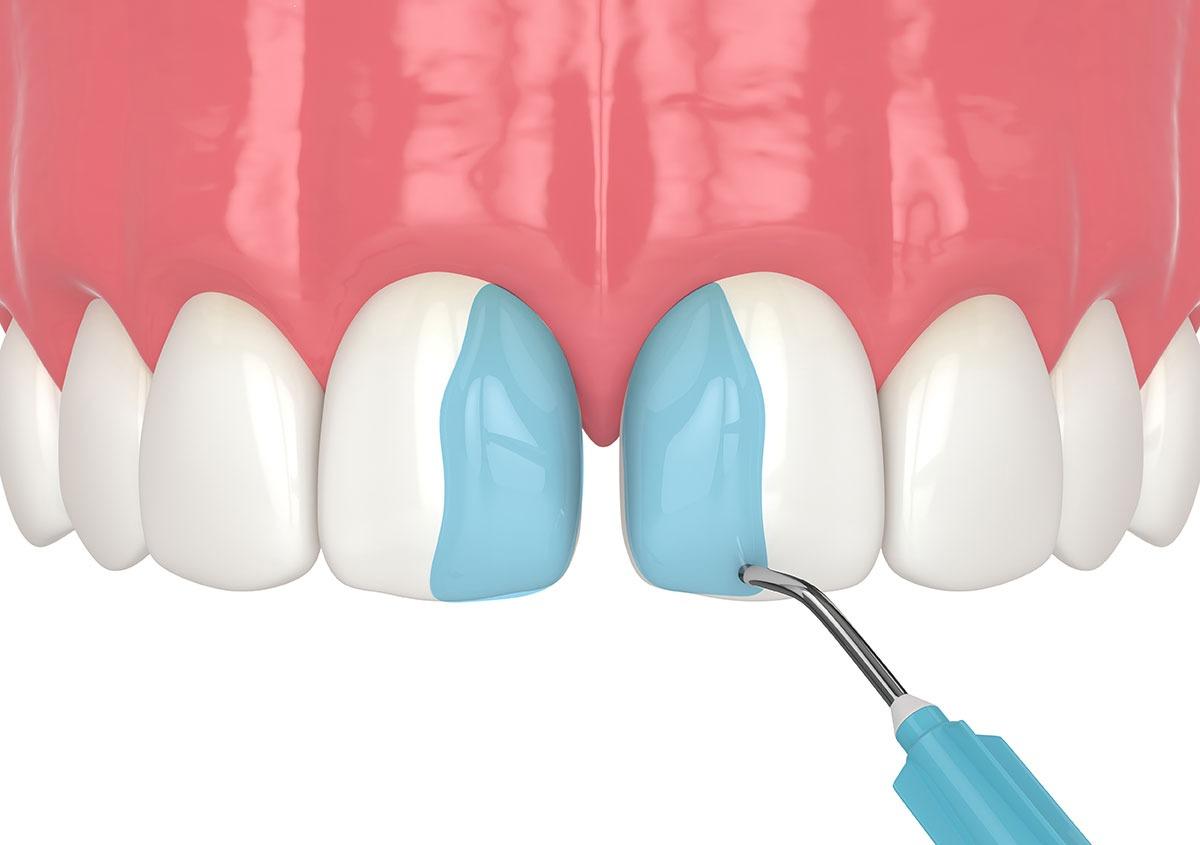
Dental health significantly impacts overall well-being, and missing teeth affect not just your chewing ability but also your confidence and facial structure. Modern dentistry provides a reliable solution through dental implants, which restore both the appearance and function of natural teeth. These implants go beyond cosmetic improvement; they support long-term oral health and enhance quality of life.
Understanding Dental Implants
Dental implants consist of three key components: the titanium post, the abutment, and the crown. The titanium post functions as the artificial root, integrating directly with the jawbone through a process called osseointegration. The abutment connects the post to the crown, which mimics the visible part of a natural tooth. Unlike dentures or bridges, implants provide a stable foundation that prevents bone loss and preserves facial structure.
The Science Behind Osseointegration
Osseointegration occurs when the jawbone fuses with the titanium post, creating a strong and durable anchor for the artificial tooth. This process not only ensures the implant’s stability but also stimulates the bone, preventing atrophy common with missing teeth. By maintaining bone density, dental implants help preserve facial contours, avoiding the sunken appearance associated with tooth loss.
Enhancing Appearance with Dental Implants
Dental implants deliver remarkable aesthetic benefits. They restore the natural shape, size, and color of your teeth, creating a seamless smile. Unlike dentures, which can shift or feel bulky, implants remain securely in place, allowing you to speak and eat confidently without worrying about slippage. Their design closely resembles natural teeth, making them virtually indistinguishable from your own.
Boosting Self-Confidence
Missing teeth can affect more than your smile—they can influence self-esteem and social interactions. Dental implants restore the confidence that often diminishes when teeth are lost. Patients frequently report feeling more comfortable smiling, speaking, and engaging socially after receiving implants. This boost in self-confidence extends beyond appearance, positively impacting personal and professional life.
Maintaining Facial Structure
When teeth are missing, the jawbone begins to shrink due to lack of stimulation. This can lead to sagging cheeks and a prematurely aged appearance. Implants stimulate the jawbone just like natural teeth, preserving bone mass and supporting the soft tissues of the face. By maintaining facial structure, dental implants provide cosmetic and functional benefits, keeping your appearance youthful and natural.
Improving Oral Function
Beyond aesthetics, dental implants significantly enhance oral function. Unlike dentures or bridges, which rely on adjacent teeth or gums for support, implants act as independent tooth roots. They allow patients to bite, chew, and speak naturally without discomfort or instability.
Restoring Chewing Ability
Chewing efficiency declines when teeth are missing, forcing individuals to avoid certain foods or over-rely on one side of the mouth. Dental implants restore full chewing capacity, enabling patients to enjoy a balanced diet and maintain proper nutrition. With a strong implant, you can bite into crunchy vegetables, chewy meats, and firm fruits just like with natural teeth. For cases where multiple teeth are missing, alternatives such as dental bridges can complement implants to restore functionality and aesthetics.
Speech Improvement
Missing teeth or poorly fitting dentures can interfere with pronunciation, making speech sound slurred or unclear. Implants anchor artificial teeth securely, allowing for clear articulation and natural movement of the tongue and lips. Patients often notice a marked improvement in their ability to speak comfortably and confidently after receiving implants.
Long-Term Oral Health Benefits
Dental implants offer substantial advantages for long-term oral health. They prevent bone loss, maintain the spacing of adjacent teeth, and reduce the risk of gum disease. By mimicking natural tooth roots, implants distribute chewing forces evenly across the jaw, reducing stress on neighboring teeth and promoting overall dental stability.
Preserving Jawbone Health
Jawbone deterioration is a common consequence of tooth loss. Without stimulation, the bone begins to resorb, which can lead to structural weakness and further tooth loss. Implants stimulate the bone through natural biting and chewing forces, maintaining bone density and strength. This benefit is critical for long-term oral health and ensures that your remaining teeth remain stable and functional.
Protecting Adjacent Teeth
Traditional tooth replacement options, like dental bridges, often require grinding down neighboring teeth for support. Implants, however, do not rely on adjacent teeth, preserving their natural structure. This approach minimizes the risk of decay or damage to surrounding teeth and ensures a healthier, more resilient smile.
The Psychological Impact of Dental Implants
Restoring your smile affects your mental and emotional well-being. Individuals with missing teeth often experience embarrassment, anxiety, or social withdrawal. Dental implants address these concerns by restoring confidence and enabling patients to engage fully in daily life without self-consciousness. The psychological benefits of implants are as significant as the physical improvements, creating a sense of normalcy and self-assurance.
Choosing the Right Dental Implant
Selecting the appropriate dental implant involves careful consideration of several factors, including bone density, oral health, and lifestyle. Consulting with a qualified dentist ensures a personalized treatment plan that maximizes both functional and aesthetic outcomes. Advanced imaging and planning techniques allow dentists to place implants with precision, optimizing longevity and appearance. Learn more about dental crowns and how they integrate with implants for a complete restoration.
Single vs. Multiple Implants
Dental implants can replace a single tooth, multiple teeth, or even an entire arch. Single implants restore individual teeth without affecting adjacent teeth, while multiple implants can support bridges or full dentures. The choice depends on the patient’s specific needs, bone availability, and desired outcomes. For patients seeking removable options, dentures can also be combined strategically with implants.
Material Considerations
Most dental implants use titanium due to its excellent biocompatibility and strength. Some patients may also benefit from zirconia implants, which offer metal-free alternatives while maintaining durability and aesthetic appeal. Your dentist will guide you in selecting the implant type that best aligns with your health, budget, and cosmetic goals.
The Procedure and Recovery
Dental implant surgery typically occurs in multiple stages, beginning with a thorough evaluation and imaging to plan the implant placement. The titanium post is surgically inserted into the jawbone, followed by a healing period to allow osseointegration. Once fully integrated, the abutment and crown are placed, completing the restoration. Patients can read more about emergency appointments if unexpected dental issues arise during recovery.
Post-Surgery Care
Recovery involves managing minor swelling and discomfort, which usually resolves within a few days. Patients must maintain excellent oral hygiene and attend regular dental check-ups to ensure the implant remains healthy. Following the dentist’s instructions carefully supports successful integration and long-term durability.
Longevity of Implants
Dental implants boast high success rates, often lasting 20 years or more with proper care. Unlike dentures that may require frequent adjustments, implants remain stable and functional for decades. This longevity makes them a cost-effective and reliable solution for permanent tooth replacement.
Conclusion
Dental implants transform both the appearance and function of the teeth. They restore a natural-looking smile, preserve facial structure, and improve self-confidence. Functionally, implants allow for proper chewing, clear speech, and overall oral health maintenance. By protecting adjacent teeth, stimulating the jawbone, and offering long-lasting durability, dental implants provide comprehensive benefits that extend far beyond aesthetics. Choosing dental implants represents an investment in a healthier, more confident, and fully functional smile that enhances quality of life in ways traditional solutions cannot match.
For anyone considering tooth replacement, consulting with experts at The Windsor Dental Practice can help determine the best approach tailored to your needs. With modern technology and professional care, achieving a healthy, confident smile is now a reality for many patients.