If getting your child to brush their teeth feels like a daily battle, you’re not alone. Many parents face the same struggle pleading, bargaining, or chasing a toothbrush around the house every morning and night. Kids resist brushing for all sorts of reasons: maybe they find it boring, dislike the taste of toothpaste, or simply don’t understand why it matters. The good news? This is completely normal and absolutely fixable. With the right mix of patience, creativity, and consistency, you can turn brushing from a dreaded chore into something your child actually enjoys.In this guide, we’ll explore why kids resist brushing, fun ways to make it exciting, and how to build strong, lifelong oral hygiene habits all while keeping smiles (and sanity) intact.
Why Some Kids Hate Brushing
Before diving into solutions, it helps to understand why your child resists brushing. Knowing the reason behind their behavior makes it easier to respond with empathy and creativity rather than frustration.
Sensory Sensitivity
Some children are very sensitive to textures, tastes, and sensations. The foamy texture of toothpaste or the bristles on a toothbrush might feel strange or even uncomfortable to them. This is especially common among toddlers or children with sensory processing sensitivities.
Tip: Try different toothbrush textures and toothpaste flavors until you find one your child tolerates better. Sometimes, just changing the toothpaste flavor can make all the difference.
Desire for Control and Independence
Brushing teeth is one of the first routines where children are told what to do and some naturally push back. Resisting brushing can be a way of asserting independence.
Tip: Give them a sense of control by letting them “take charge” they can squeeze the toothpaste, pick their brush, or decide who brushes first (them or you).
Boredom
To kids, brushing is repetitive and uneventful. Two minutes can feel like forever! Without stimulation, they lose interest quickly.
Tip: Introduce games, songs, or timers to make brushing interactive and time-bound in a fun way.
Fear or Discomfort
Some children associate brushing with discomfort perhaps from brushing too hard, having a gag reflex, or a past unpleasant dental experience. Even a small negative memory can cause resistance.
Tip: Use gentle brushes, reassure them constantly, and make brushing a positive, pressure-free experience.
Lack of Understanding
Children don’t fully grasp why brushing matters. To them, the concept of “plaque” or “cavities” isn’t meaningful yet.
Tip: Use simple, playful explanations like “We’re brushing away the sugar bugs that make holes in your teeth.” Turning it into a story helps them connect cause and effect.
How to Make Brushing Fun (Creative Strategies)
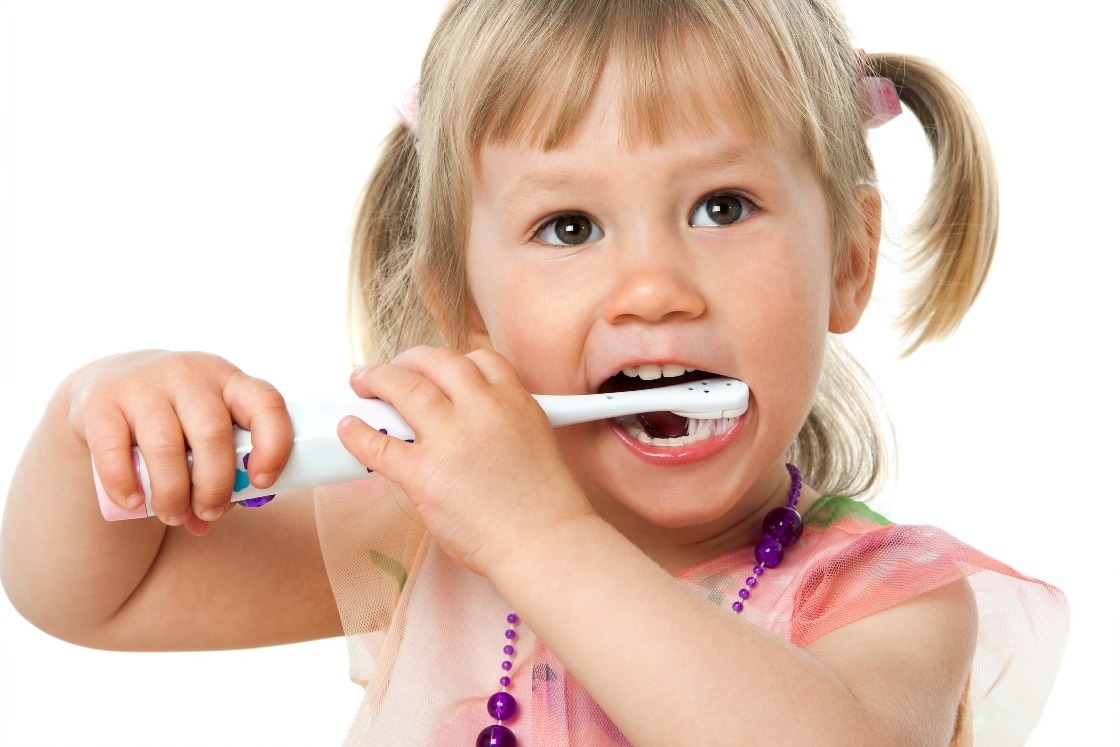
Once you understand the “why,” it’s time to make brushing something your child wants to do. Here are creative strategies that turn toothbrush time into a game instead of a chore.
Turn It into a Game
Kids love games so make brushing one!
- Use a two-minute timer or a brushing song to make sure they brush long enough.
- Challenge them to “defeat the sugar bugs” hiding on their teeth.
- Pretend their toothbrush is a superhero on a mission to save their smile.
- Count aloud how many “bugs” they’ve brushed away.
- When brushing becomes playtime, cooperation follows naturally.
Let Them Choose
Kids are far more cooperative when they feel ownership.
Let your child pick:
- Their toothbrush color or design (try cartoon or superhero brushes).
- Their toothpaste flavor bubblegum, berry, or watermelon are big hits.
- Their rinsing cup or a special toothbrush holder.
- Giving small choices makes them feel empowered and less resistant.
Brush Together
Children are natural imitators. If they see you brushing enthusiastically, they’ll want to join in.
- Make brushing a family event stand together in front of the mirror.
- Smile and show them how you brush.
- Praise them for copying you: “Wow, you’re brushing just like Dad!”
- Kids love doing what grown-ups do. When it’s a shared activity, it feels less like an order and more like teamwork.
Use Music or Videos
Technology can turn toothbrushing into entertainment.
- Play short brushing songs or nursery rhymes that last two minutes.
- Use apps like Disney Magic Timer or Brush DJ they reward kids for brushing the full duration.
- Make a personalized playlist for morning and night routines.
- Rhythm and music keep kids focused and time flies faster.
Reward Consistency
Positive reinforcement works wonders.
- Create a sticker chart for every successful brushing session.
- Offer small weekly rewards like an extra bedtime story, a new toothbrush, or a fun outing.
- Celebrate milestones “You brushed twice a day all week! High five!”
- Rewards turn responsibility into accomplishment, motivating kids to keep going.
Tips for Toddlers and Preschoolers (Ages 1–5)
Brushing with toddlers can be tricky, but it’s also when habits start to form.
Here’s how to make it work for little ones:
- Use a soft-bristled, age-appropriate toothbrush and a tiny smear of fluoride toothpaste (about the size of a grain of rice).
- Let them “practice brushing” first, even if it’s not perfect. Then parents should gently finish the job.
- Brush together in front of a mirror toddlers love watching themselves.
- Turn it into a routine: brush during bath time or right after putting on pajamas.
- Use gentle encouragement, not pressure. Avoid scolding instead, make brushing playful and calm.
- Remember: for toddlers, the goal is to make brushing feel safe and normal, not perfect.
Tips for School-Age Kids (Ages 6–12)
As children grow, they can take on more responsibility but still need guidance.
Explain why brushing matters in simple, logical terms: “Brushing keeps your breath fresh and your teeth strong.”
- Set clear expectations: “We brush every morning and night no skipping.”
- Encourage friendly competition: “Let’s see who can make the most bubbles!”
- Supervise occasionally even confident brushers may miss spots.
- Teach proper technique: brush in small circles for at least two minutes.
- This age is ideal for building independent yet consistent habits that will last a lifetime.
Addressing Common Brushing Challenges
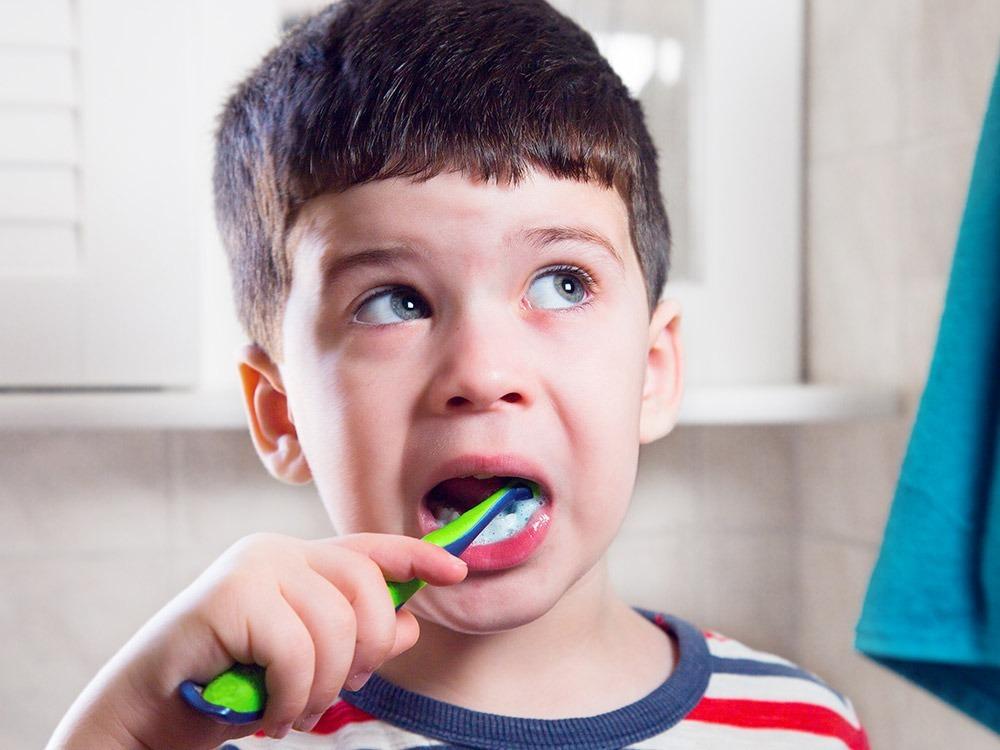
Even with good routines, challenges pop up. Here’s how to handle them calmly.
Child Dislikes Toothpaste Taste
Kids often dislike minty or “spicy” toothpaste flavors.
Try:
- Mild flavors like bubblegum, fruit, or vanilla.
- Toothpaste labeled “for kids” they’re gentler and foam less.
- Brushing with just water for a short time until they adjust, then reintroduce toothpaste gradually.
Child Has Sensitive Gums or Teeth
If brushing hurts, your child will naturally avoid it.
- Use an extra-soft toothbrush and warm water.
- Avoid brushing too hard show them gentle circular motions.
- Schedule a dental checkup to rule out gum inflammation or cavities.
Child Is Too Tired at Night
Bedtime battles are common. If brushing is the last step, exhaustion often wins.
- Move brushing earlier in the routine right after dinner or before storytime.
- Keep the routine consistent every night, even when traveling or tired.
- Consistency matters more than the exact time you brush.
Make Dental Visits a Positive Experience
Regular dental visits play a key role in building lifelong oral health habits but they can also shape how kids feel about brushing.
- Start early: book your child’s first dental visit by age one or within six months of their first tooth.
- Choose a pediatric dentist who specializes in working with children and uses a gentle approach.
- Use positive language when describing the visit say “the tooth doctor will count your teeth” instead of “check for cavities.”
- After the appointment, praise your child for being brave.
- Connecting brushing with easy, pain-free dental visits reinforces that brushing pays off.
Build Lifelong Brushing Habits
To make brushing automatic, tie it to existing daily routines.
- Brush after breakfast and before bed no exceptions.
- Keep toothbrushes and toothpaste visible and accessible on the counter.
- Praise effort, not perfection: it’s about building consistency first.
- As children grow, encourage independence, but occasionally check their technique to ensure they’re cleaning properly.
- Replace toothbrushes every three months or after illness.
- When brushing becomes as routine as washing hands, you’ve succeeded.
When to Seek Professional Help
If you’ve tried everything and your child still refuses to brush, it may be time to get professional support.
Consult a pediatric dentist if:
- Your child avoids brushing for days or weeks.
- You notice bad breath, bleeding gums, or visible plaque buildup.
- There’s persistent fear or anxiety about brushing or dental visits.
- Dentists trained in child behavior can use gentle desensitization techniques, child-friendly cleanings, and fun fluoride treatments to reintroduce oral care positively.
Conclusion
It’s completely normal for kids to resist brushing but with a bit of patience, creativity, and consistency, what feels like a daily battle can turn into a joyful bonding routine. Every parent has been there: the pleading, the chasing, the half-hearted brushing attempts. But the truth is, these moments are opportunities chances to teach your child about care, discipline, and responsibility in a loving, playful way.
When you understand why your child resists brushing, you can respond with empathy instead of frustration. Maybe the toothpaste feels too strong, maybe brushing seems boring, or maybe they simply want more control. Whatever the reason, gentle understanding goes much further than scolding or pressure. A calm tone and a playful approach can turn resistance into cooperation.
The goal isn’t perfection it’s progress. Even small wins, like brushing for thirty seconds longer than before or remembering to brush without a reminder, deserve praise. Celebrate those victories, because they build your child’s confidence and motivation. Over time, these small habits become second nature, laying the foundation for a lifetime of healthy smiles.