Modern cosmetic dentistry has experienced a significant transformation over the last decade, driven largely by technological advancements. Among these innovations, Digital Smile Design (DSD) has emerged as a game-changer, providing dentists with the tools to plan, visualize, and communicate complex smile transformations with unparalleled precision. DSD bridges the gap between imagination and reality, enabling patients to envision their future smile before undergoing treatment and ensuring dentists achieve predictable, aesthetically pleasing outcomes.
Understanding Digital Smile Design
Digital Smile Design represents a holistic approach to cosmetic dentistry that integrates advanced digital imaging, facial analysis, and software-guided treatment planning. Unlike traditional methods that rely on manual impressions and subjective assessments, DSD employs cutting-edge digital tools to evaluate a patient’s facial features, dental anatomy, and emotional expressions. By analyzing these elements, dentists can craft a smile that harmonizes with the patient’s overall appearance and personality.
At its core, DSD combines photography, videography, 3D scanning, and digital modeling to produce a precise blueprint of the patient’s mouth. Dentists manipulate these digital images to simulate various restorative options, allowing both clinician and patient to assess the aesthetic impact of each treatment. This process enhances collaboration and ensures that the patient plays an active role in shaping their smile, increasing satisfaction and trust. You can read more about this process here.
The Benefits of Digital Smile Design
1. Enhanced Treatment Planning
Digital Smile Design empowers dentists to develop meticulous treatment plans with remarkable accuracy. The technology allows clinicians to map each tooth’s position, size, and shape relative to the patient’s facial structure. By visualizing potential outcomes before starting any procedure, dentists can anticipate challenges, reduce procedural errors, and tailor interventions to the patient’s unique needs. This level of precision reduces the risk of unsatisfactory results and shortens overall treatment times.
2. Improved Patient Communication
Traditional cosmetic dentistry often involves complex explanations that patients struggle to understand. DSD transforms this experience by providing realistic visual simulations. Patients can see exactly how changes to tooth shape, alignment, or color will look on their face. This clarity fosters informed decision-making, builds confidence in the treatment plan, and strengthens the dentist-patient relationship. For example, patients undergoing Invisalign treatment can visualize each stage of tooth movement, improving motivation and adherence.
3. Personalized Aesthetic Outcomes
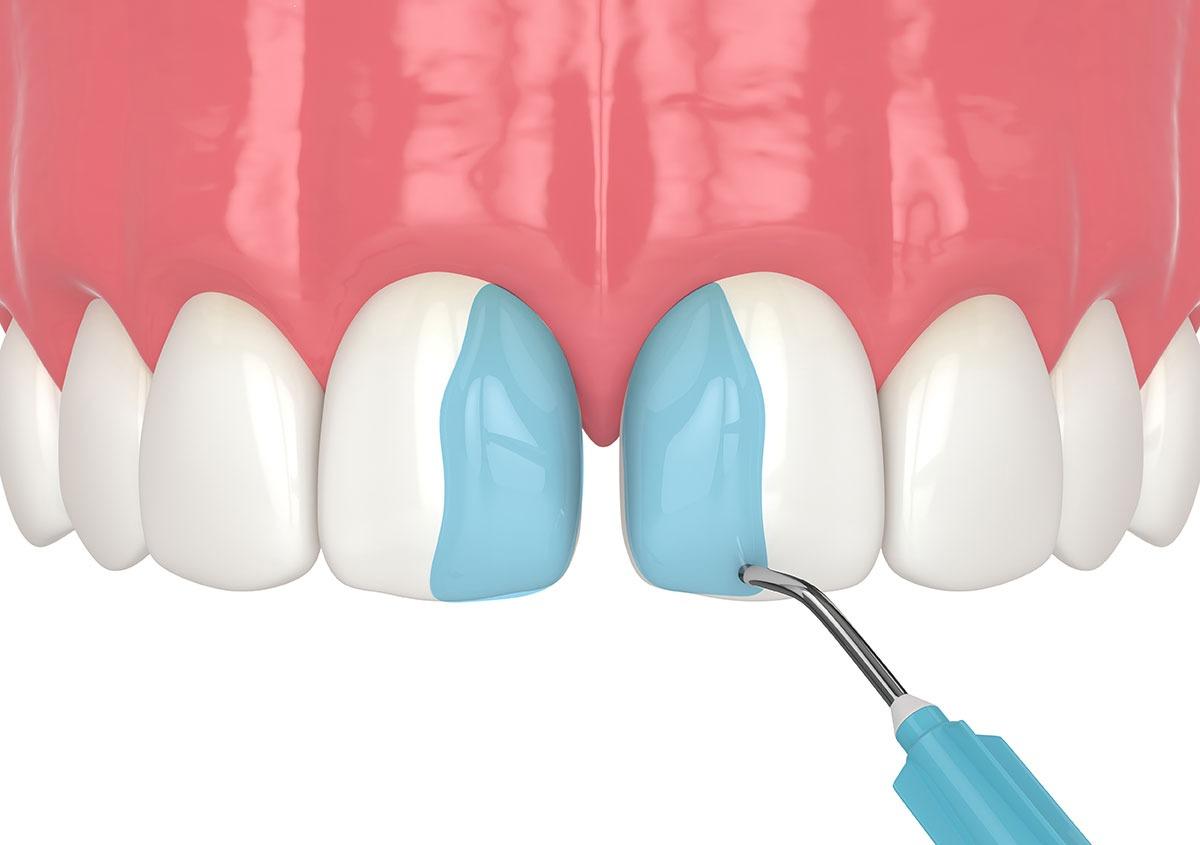
One of the greatest strengths of Digital Smile Design lies in its ability to personalize aesthetics. Dentists can analyze facial symmetry, lip dynamics, and even the patient’s unique expressions to design a smile that complements their natural features. Unlike generic solutions, DSD focuses on creating a harmonious and authentic result. Patients interested in cosmetic procedures such as composite bonding can preview how these treatments will enhance their smile digitally before committing.
4. Minimally Invasive Procedures
DSD allows dentists to plan treatments that conserve as much natural tooth structure as possible. By simulating various restorative options digitally, clinicians can choose approaches that achieve desired results while minimizing intervention. Procedures such as crowns, veneers, or orthodontic adjustments benefit immensely from this precision planning, preserving oral health while achieving aesthetic goals.
Key Components of Digital Smile Design
Digital Smile Design integrates multiple technological components to deliver precise, aesthetically pleasing results. Each element plays a critical role in ensuring accuracy, predictability, and patient satisfaction.
1. Digital Imaging and Photography
High-resolution photography and videography form the foundation of DSD. These images capture the patient’s teeth, gums, lips, and facial expressions from multiple angles. Dentists analyze these visuals to identify asymmetries, smile lines, and other aesthetic factors. This initial step ensures that all subsequent digital modeling aligns with the patient’s natural facial dynamics.
2. 3D Scanning and Modeling
3D intraoral scanners generate accurate digital replicas of the patient’s teeth and jaw structures. These scans eliminate the need for messy impressions and provide highly detailed models for planning restorations. When combined with facial scans, dentists gain a comprehensive understanding of how teeth interact with lips, cheeks, and overall facial structure, enabling precise adjustments in the design phase.
3. Smile Simulation Software
Smile simulation software allows dentists to experiment with various restorative and cosmetic options digitally. Tooth shapes, sizes, colors, and positions can be adjusted and previewed in real-time. Patients can view multiple options and provide input, creating a collaborative decision-making process. For more on how dentists use simulation technology, see this guide.
4. Integration with Laboratory Workflows
Once the digital design receives approval, DSD integrates seamlessly with dental laboratories. Digital files guide the fabrication of veneers, crowns, aligners, or other restorations with unmatched precision. This workflow enhances consistency, reduces human error, and accelerates production timelines.
Applications of Digital Smile Design in Cosmetic Dentistry
1. Veneers and Crowns
Veneers and crowns benefit tremendously from DSD. Dentists can design the ideal shape, color, and alignment digitally, ensuring a flawless fit and natural appearance. Patients can preview their post-treatment smiles and approve the final design before fabrication. Learn more about veneers and their longevity here.
2. Orthodontics and Invisalign
DSD plays a vital role in modern orthodontics, especially with clear aligners such as Invisalign. Dentists can map the tooth movement digitally, predict treatment duration, and visualize intermediate stages. Patients gain insight into how their smile will evolve, enhancing compliance and motivation throughout the treatment process.
3. Full-Mouth Rehabilitation
For patients requiring extensive restorative work, DSD provides a comprehensive treatment roadmap. Dentists can coordinate multiple procedures—crowns, implants, veneers, and gum reshaping—into a cohesive plan. By simulating the final smile digitally, clinicians can sequence treatments efficiently, reduce errors, and ensure functional and aesthetic harmony. Dental implants, for instance, benefit from precise pre-planning: read more here.
The Patient Experience and DSD
Digital Smile Design transforms the patient experience from one of uncertainty to empowerment. Patients no longer need to rely solely on verbal descriptions or generic examples. Instead, they actively participate in creating their smile, providing feedback at every stage. This collaborative process builds trust, reduces anxiety, and often leads to higher levels of satisfaction. Patients leave appointments with confidence, knowing that the final result matches their expectations.
Conclusion
Digital Smile Design has revolutionized modern cosmetic dentistry by combining technology, artistry, and patient collaboration. It enhances treatment planning, improves communication, and delivers personalized, minimally invasive results. While challenges exist, the benefits of DSD far outweigh the limitations, providing patients and dentists with a reliable roadmap to achieving beautiful, functional smiles. As the technology evolves, it will remain a cornerstone of cosmetic dentistry, ensuring that every patient can confidently envision—and achieve—the smile of their dreams.