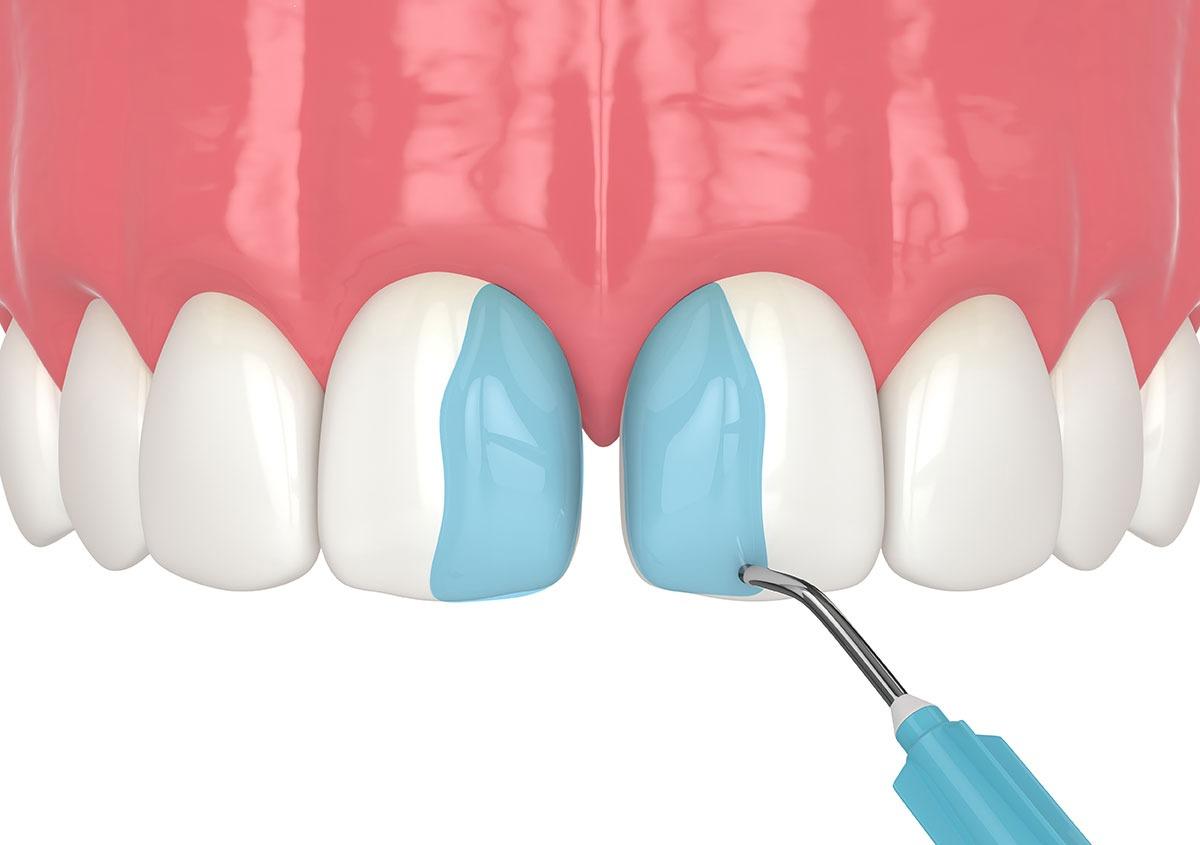
Dental cleanings are a crucial part of maintaining optimal oral health. They go beyond daily brushing and flossing by professionally removing plaque, tartar, and bacteria that accumulate over time. Regular cleanings help prevent cavities, gum disease, and other dental problems that can become costly if left untreated. Many people wonder how frequently they should schedule these cleanings. While general guidelines exist, the frequency often depends on individual oral health needs. Understanding the benefits and recommendations helps in making informed dental care decisions.
What Is a Dental Cleaning?
Definition and Purpose
A dental cleaning, also known as prophylaxis, is a professional procedure performed by a dentist or dental hygienist. It involves the removal of plaque and tartar that accumulate on teeth surfaces and along the gumline. The cleaning process helps prevent tooth decay, gum inflammation, and bad breath. Beyond removing visible buildup, it also targets bacteria that cannot be fully eliminated by brushing or flossing. Regular dental cleanings contribute to long-term oral health and overall wellbeing. Their purpose is both preventive and diagnostic, as dentists can spot early signs of problems during the cleaning.
Tools and Techniques Used
Dental professionals use specialized tools to ensure thorough cleaning, including scalers, curettes, ultrasonic devices, and polishers. Scalers manually remove hardened tartar, while ultrasonic tools use vibrations to loosen plaque deposits. Polishing smooths the tooth surface, making it more resistant to future plaque accumulation. Fluoride treatments are often applied to strengthen enamel. These tools reach areas that are difficult to clean at home, such as between teeth and below the gumline. Overall, the combination of manual and mechanical techniques ensures a complete, professional cleaning experience.
General Recommendations for Dental Cleaning Frequency

Most dental associations recommend getting a professional cleaning every six months. This schedule is considered sufficient for maintaining healthy teeth and gums for the average adult. Regular cleanings reduce the risk of cavities, gum disease, and plaque buildup over time. However, some individuals with exceptional oral health may need fewer visits. Conversely, people prone to dental problems may require more frequent cleanings. Consulting a dentist helps determine the ideal schedule based on personal oral health conditions.
Factors That Affect How Often You Should Get a Cleaning
Oral Health Condition
Individuals with gum disease, frequent cavities, or significant plaque accumulation may need more frequent cleanings. Poor oral hygiene habits or previous dental issues often dictate shorter intervals between visits. Regular monitoring helps prevent minor issues from turning into serious complications. Your dentist can create a personalized cleaning schedule depending on your dental history. People with healthy teeth and gums may stick to the standard six-month interval. This tailored approach ensures maximum oral health protection.
Age and Lifestyle
Lifestyle habits and age play a significant role in dental cleaning frequency. Smoking, excessive sugar consumption, or a diet low in essential nutrients increases the risk of dental problems. Older adults may experience more gum recession, making more frequent cleanings beneficial. Young adults and teenagers might require fewer visits if their teeth and gums are healthy. A dentist can evaluate lifestyle factors to recommend an optimal cleaning schedule. Personalized care ensures preventive measures are more effective.
Medical Conditions
Certain medical conditions, like diabetes, heart disease, or autoimmune disorders, affect oral health. These conditions can increase the risk of gum infections and other dental complications. People with compromised immune systems may require additional dental cleanings to prevent serious issues. Medications causing dry mouth or gum sensitivity also influence cleaning frequency. Dentists often consider medical history when recommending visit intervals. A proactive approach minimizes risks and supports overall health.
Signs You May Need a Dental Cleaning Sooner
Some signs indicate that a dental cleaning might be needed before the regular six-month schedule. Persistent bad breath or a foul taste in the mouth can signal bacterial buildup. Bleeding or swollen gums are often early signs of gum disease. Visible tartar or plaque accumulation can only be professionally removed. Tooth sensitivity, pain, or changes in bite may also indicate the need for immediate attention. Prompt dental cleanings prevent minor issues from escalating into major problems.
Benefits of Regular Dental Cleanings
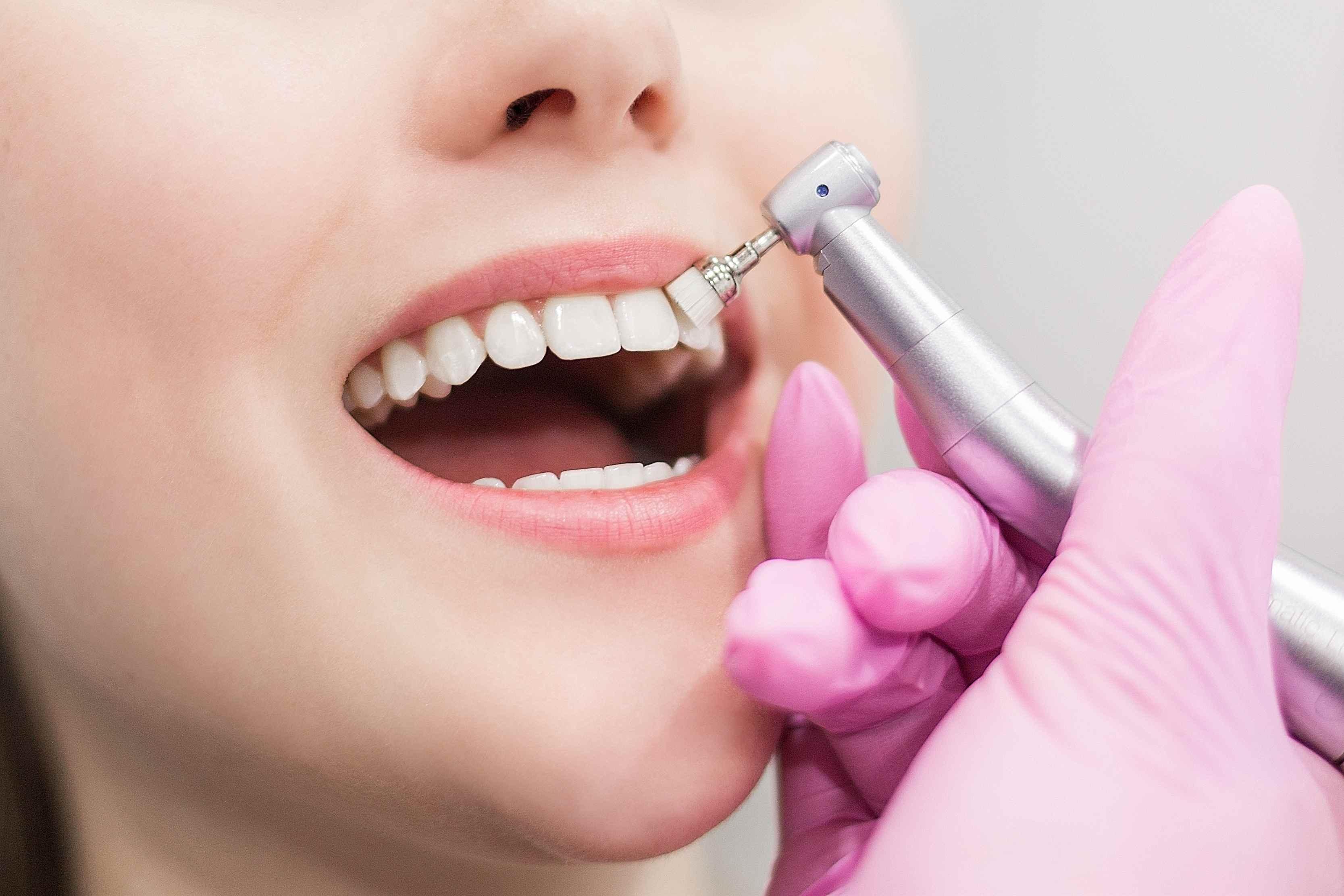
Regular dental cleanings offer numerous benefits beyond basic hygiene. They help prevent cavities and gum disease by removing harmful buildup. Cleanings allow for early detection of oral health issues, reducing treatment complexity. Patients enjoy fresher breath and a brighter, more attractive smile. Professional care also contributes to overall health, as oral infections can affect systemic conditions. Maintaining routine cleanings saves money and avoids extensive dental procedures in the future.
Tips to Maintain Oral Health Between Cleanings
Maintaining oral hygiene between dental visits ensures lasting results from professional cleanings. Brush your teeth at least twice daily using a fluoride toothpaste. Floss daily to remove plaque between teeth that brushing cannot reach. Use mouthwash to reduce bacteria and freshen breath. Maintain a balanced diet with minimal sugary foods and drinks. Regular check-ups and self-monitoring help detect issues early and reinforce oral health routines.
Conclusion
Dental cleanings are an essential part of maintaining a healthy mouth and preventing oral diseases. Most people benefit from a cleaning every six months, but personal factors may require adjustments. Paying attention to lifestyle, medical conditions, and oral health status ensures the right schedule. Cleanings not only protect teeth and gums but also contribute to overall health and confidence. Consulting a dentist helps determine the most suitable cleaning frequency. Staying consistent with both professional care and home hygiene is key to long-term oral wellness.
FAQs
How often should children get dental cleanings?
Children should see a dentist every six months, but those with high cavity risk may need more frequent visits.
Can I skip a dental cleaning if my teeth feel fine?
No, even if teeth feel healthy, cleanings remove hidden plaque and prevent future problems.
Do dental cleanings hurt?
Most cleanings are painless, though some sensitivity may occur, especially if gums are inflamed.
Are dental cleanings covered by insurance?
Many insurance plans cover regular cleanings, but coverage may vary, so check your policy.
What happens if I wait too long between cleanings?
Delaying cleanings increases the risk of cavities, gum disease, and more complex dental treatments later.