Brushing your teeth is a daily habit, but many people believe that scrubbing harder means cleaner teeth. In reality, using too much force can do more harm than good to your gums and enamel. Overbrushing is one of the most common but overlooked causes of dental problems. Understanding the right amount of pressure is essential to protect your smile long-term. This article explains why brushing too hard is harmful and how to maintain a safe and effective oral care routine.
What Does “Brushing Too Hard” Really Mean?
How Dental Experts Define Overbrushing
Dentists describe overbrushing as applying excessive pressure while using a toothbrush, especially with medium or hard bristles. This pressure gradually wears down enamel, the protective layer of your teeth. Even if you use a soft brush, pressing too firmly still counts as overbrushing. The problem usually develops slowly, making it easy to ignore at first. Dental experts emphasize that effective cleaning relies on technique, not force.
Signs You Might Be Brushing Too Hard
Common signs include gum sensitivity, redness, or bleeding after brushing. You may also notice your toothbrush bristles bending or flattening within a few weeks. Tooth sensitivity, especially to hot or cold foods, is another warning sign. Your gums may start receding or pulling away from the teeth. If your dentist tells you that your enamel looks worn, overbrushing is likely the cause.
Why Brushing Too Hard Is Bad for Your Teeth

Enamel Erosion and Tooth Sensitivity
Brushing aggressively removes the protective enamel layer that shields teeth from damage. Once enamel erodes, it cannot fully grow back, leaving your teeth permanently vulnerable. This leads to sharp, uncomfortable sensitivity while eating or drinking. Hard brushing also creates tiny scratches that allow bacteria to enter more easily. Over time, this increases the risk of decay and cavities. Protecting enamel requires gentle, consistent brushing, not forceful scrubbing.
Gum Recession and Exposure of Tooth Roots
Excessive pressure pushes your gums downward, causing them to recede slowly over time. Receded gums expose the sensitive roots of your teeth, leading to discomfort and increased sensitivity. Exposed roots are more prone to decay because they lack enamel protection. Gum recession also affects your smile’s appearance and may require dental treatment. Severe cases might need gum grafting to prevent tooth loss. The best prevention is brushing gently in controlled movements.
Increased Risk of Tooth Decay Despite Hard Brushing
Hard brushing gives a false sense of cleanliness but actually increases decay risk. Damaged enamel cannot protect teeth from bacteria, making cavities more likely. Receded gums also trap plaque around the exposed roots. Over time, these combined issues lead to deeper dental problems that require professional treatment. Even brushing multiple times a day won’t help if the technique is harmful. Gentle brushing is far more effective for decay prevention.
Effects of Brushing Too Hard on Gum Health
How Overbrushing Damages Delicate Gum Tissue
Gums are soft, delicate tissues that can easily become irritated when exposed to too much pressure. Hard brushing causes micro-tears and inflammation, leading to swelling and discomfort. Over time, the repeated trauma weakens gum attachment around the teeth. This makes your gums more susceptible to infection and bacterial buildup. Maintaining gentle brushing helps gums stay firm and healthy. Healthy gum tissue is essential for supporting your teeth for life.
Long-Term Risks of Gum Recession
Gum recession is one of the most common long-term effects of overbrushing. As gums shrink away from the teeth, sensitivity and discomfort increase. Recession exposes roots, which are much softer and more vulnerable than enamel. If ignored, this problem can lead to loose teeth or even tooth loss. Restoring receded gums often requires expensive and complex dental procedures. Preventing recession begins with using the right brushing pressure consistently.
How to Know If You’re Brushing With the Right Pressure
Common Mistakes People Make
Many people brush in a back-and-forth motion that resembles scrubbing, which applies unnecessary pressure. Others choose hard-bristle brushes thinking they clean better, but they are more damaging. Brushing too fast or aggressively when you’re in a rush also leads to overbrushing. Some people press harder because they feel plaque isn’t being removed properly. Misunderstanding proper technique is the main reason for using too much force. Correcting these mistakes helps maintain healthier gums and enamel.
Simple Tests to Check Brushing Pressure
A simple test is to brush your teeth while holding your toothbrush with just two fingers. If it drops, you were brushing too hard before. Another method is checking your bristles if they bend outward quickly, you’re applying too much pressure. You can also try brushing on the back of your hand; if it feels rough or painful, you’re brushing too hard. Dental professionals recommend brushing gently enough to avoid discomfort. These tests help build awareness of proper brushing pressure.
When to Visit a Dentist for Evaluation
If you notice gum recession, persistent sensitivity, or bleeding, it’s time to see a dentist. A dentist can determine whether the damage is caused by overbrushing or another underlying issue. Visiting early helps prevent further gum or enamel loss. Your dentist may recommend a soft-bristle brush or specific toothpastes. They can also teach proper technique tailored to your situation. Regular checkups ensure early detection and better long-term oral health.
Correct Brushing Technique to Protect Teeth and Gums
Using a Soft-Bristle Toothbrush
Soft-bristle brushes are gentle on gums and enamel, reducing the risk of damage. They clean effectively without the need for extra force. Dentists recommend replacing your brush every three months or sooner if the bristles fray. Medium or hard bristles should be avoided, especially if you have sensitivity. Soft brushes also help distribute toothpaste more evenly. Choosing the right brush is the first step toward healthier brushing habits.
Using Small, Gentle Circular Motions
Instead of scrubbing back and forth, dentists recommend small circular motions. This technique removes plaque without damaging your gums or enamel. Circular brushing also works better along the gumline where plaque builds up most. It ensures each tooth receives equal attention without requiring extra pressure. It may take time to learn, but it is far more effective. This gentle method promotes long-term oral health.
Right Brushing Duration and Angle
Brushing should last at least two minutes, allowing enough time to clean thoroughly without rushing. Holding the toothbrush at a 45-degree angle helps reach the gumline effectively. This angle allows bristles to clean between the gums and teeth without applying force. Brushing longer does not mean brushing harder patience is key. Dentists recommend brushing twice daily for the best results. Consistency matters more than intensity.
Tools That Help Prevent Hard Brushing
Electric Toothbrush With Pressure Sensors
Many electric toothbrushes come with built-in pressure sensors that alert you when brushing too hard. These devices maintain consistent speed and motion, reducing the risk of enamel damage. The sensors help users develop better brushing habits over time. Some models even slow down automatically when excess pressure is detected. This makes them ideal for people struggling with overbrushing. They are highly recommended by dental professionals for their user-friendly features.
ADA-Approved Soft and Extra-Soft Brushes
Using brushes approved by the American Dental Association ensures they meet safety and quality standards. ADA-approved soft and extra-soft brushes are gentle enough to prevent damage. Their bristles are designed to clean effectively without scratching enamel. They are especially helpful for people with sensitivity or gum issues. Choosing ADA-certified brushes gives peace of mind that you’re using a safe product. It’s a small change that makes a big difference.
Toothpaste for Sensitive Teeth
Toothpaste designed for sensitivity helps soothe discomfort caused by enamel erosion. These formulas often contain ingredients that strengthen weakened enamel. They also reduce pain signals that make brushing uncomfortable. Regular use improves gum comfort and reduces irritation during brushing. Dentists often recommend these toothpastes for those recovering from overbrushing damage. They support long-term healing and comfort.
Myths About Hard Brushing
“Hard Brushing Cleans Better”
Many people wrongly believe that harder brushing leads to cleaner teeth. In fact, plaque is soft and easily removed with gentle brushing. Scrubbing only damages enamel and gums without improving cleanliness. Over time, this myth leads to long-term oral health issues. Proper technique is more effective than pressure. Clearing this misconception helps people adopt healthier brushing habits.
“Soft Brushes Don’t Work”
Some assume soft-bristle brushes cannot clean effectively, but this is untrue. Soft brushes are specifically designed to remove plaque safely. They reach tight spaces without damaging the gums or enamel. Hard brushes, in contrast, cause unnecessary abrasion. Dentists worldwide recommend soft brushes for daily use. They clean just as well without the risks.
“You Must Scrub to Remove Plaque”
Plaque is a soft sticky film that does not require intense scrubbing to remove. Gentle, circular motions are enough to disrupt and clean it away. Scrubbing only pushes plaque into gum pockets and weakens enamel. This misconception often leads to gum recession and sensitivity. Understanding how plaque works helps avoid harmful habits. Effective brushing is about thoroughness, not force.
When Hard Brushing Still Seems Necessary
If You Eat Staining Foods Frequently
People who consume coffee, tea, or dark foods may feel the need to scrub harder. However, stains on teeth are not removed by forceful brushing. Hard scrubbing only damages enamel and worsens sensitivity. Professional cleanings or whitening solutions are safer options. Brushing gently after staining foods still maintains cleanliness. Using whitening toothpaste can also help without causing harm.
If You Wear Braces or Have Dental Appliances
Braces make brushing more challenging, causing some people to push harder. However, orthodontists recommend using special brushes instead of increasing force. Interdental brushes and orthodontic toothbrushes clean efficiently without damage. Hard brushing around brackets can harm gums and enamel. Gentle technique ensures both your braces and teeth stay healthy. Consistency is more important than pressure.
Why Technique Matters More Than Force
Proper technique ensures plaque is removed without harming enamel or gums. Even the best toothpaste cannot protect your teeth if brushing is too aggressive. Forceful brushing creates long-term dental issues that are difficult to reverse. Gentle, controlled movements are the safest and most effective method. Good technique protects your smile and prevents unnecessary dental costs. Learning the right method pays off for a lifetime.
How Dentists Treat Damage Caused by Hard Brushing

Treatment for Tooth Sensitivity
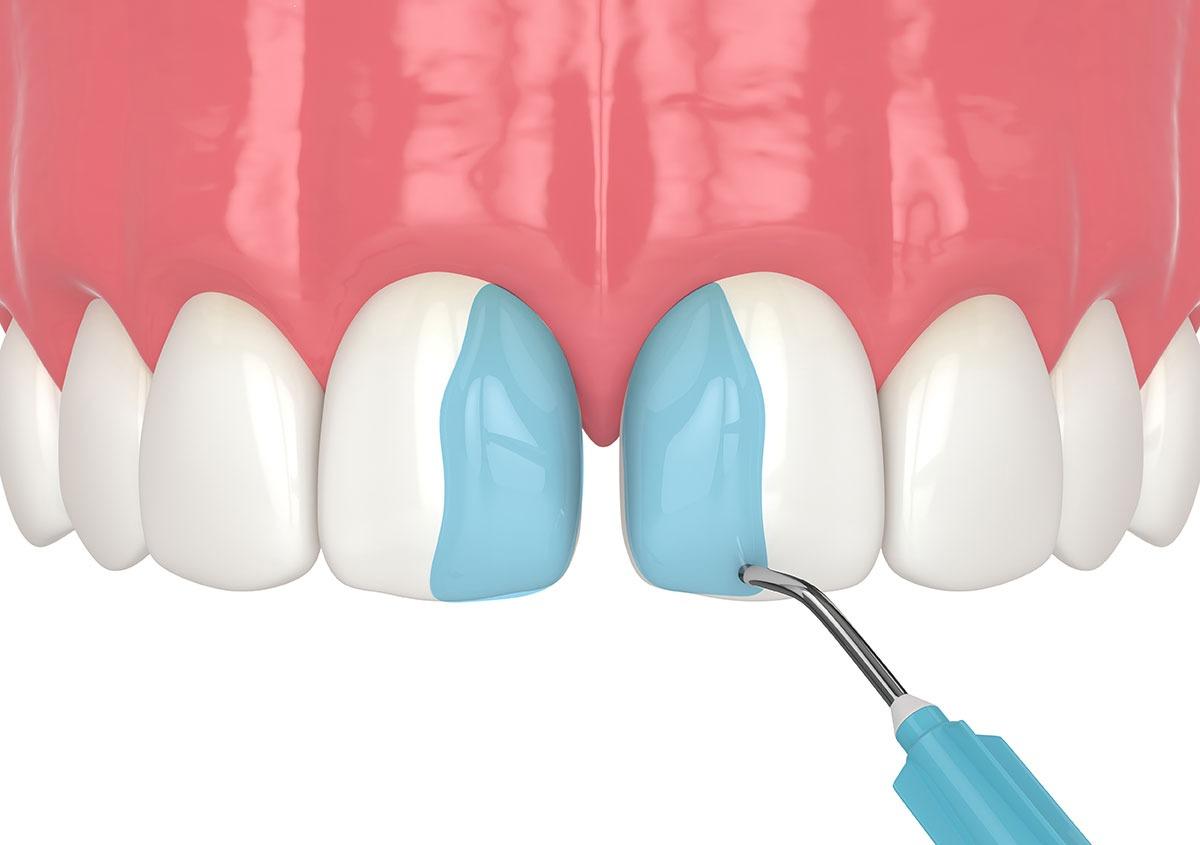
Dentists often recommend fluoride treatments or sensitivity toothpaste to strengthen enamel. They may also apply protective coatings to reduce pain. If sensitivity is severe, additional treatments may be needed. Early intervention prevents further enamel loss. Following the dentist’s advice helps restore comfort while brushing. These treatments work best when combined with gentler brushing habits.
Gum Recession & Possible Gum Graft
If gum recession becomes advanced, a gum graft may be necessary. This procedure replaces lost gum tissue with healthy tissue from another area. It helps protect exposed roots and restores gum appearance. The process also stabilizes teeth that may have become loose. Dentists only recommend grafts when recession becomes serious. Preventing recession early reduces the need for such procedures.
Strengthening Weakened Enamel
Dentists may use fluoride varnish, bonding, or remineralization treatments to strengthen enamel. These procedures help rebuild lost minerals and protect against future damage. Strengthened enamel reduces sensitivity and decay risk. Patients must also adopt gentler brushing to maintain results. Regular checkups help track enamel health. Early treatment is key to long-term protection.
Preventive Dental Tips for Everyday Care
Regular Dental Checkups
Seeing dentist every six months ensures problems are detected early. Professional cleanings remove plaque and tartar that brushing cannot. This reduces the urge to brush harder at home. Your dentist can also guide you on personalized brushing techniques. Early detection saves time, money, and discomfort. It is one of the best habits for long-term oral health.
Professional Cleaning Instead of Hard Brushing
Hard brushing at home can’t replace a professional cleaning. Dentists use specialized tools to remove stains safely. These cleanings prevent plaque buildup that causes people to scrub aggressively. Relying on professionals for deep cleaning protects enamel and gums. It also enhances your smile more effectively than forceful brushing. Safe cleaning starts with trusting dental experts.
Maintaining a Consistent Oral Hygiene Routine
Consistency is more important than pressure when it comes to brushing. A routine of gentle brushing twice daily keeps plaque under control. Flossing and using mouthwash enhance the cleaning process. Good habits remove the need for aggressive scrubbing. Over time, a balanced routine protects gums, enamel, and breath freshness. Healthy habits create a strong foundation for lifelong oral health.
Conclusion
Brushing too hard may seem like a good idea, but it can damage your gums, enamel, and overall oral health. Gentle brushing with the right technique is far more effective than scrubbing. By using soft tools, maintaining proper angles, and avoiding excessive pressure, you can protect your teeth for life. Visiting your dentist regularly ensures any early signs of damage are treated promptly. Remember, a healthy smile depends on proper care not force.
FAQs
Can brushing too hard damage my teeth?
Yes, it can wear down enamel and cause tooth sensitivity over time.
How do I know if I’m brushing too hard?
Flattened bristles, gum bleeding, and sensitivity are common signs.
Should I use a soft toothbrush?
Yes, soft-bristle brushes clean effectively without harming gums or enamel.
Does hard brushing remove stains better?
No, stains require professional cleaning hard brushing only damages teeth.
What’s the best way to brush safely?
Use gentle circular motions, soft bristles, and brush for two minutes.